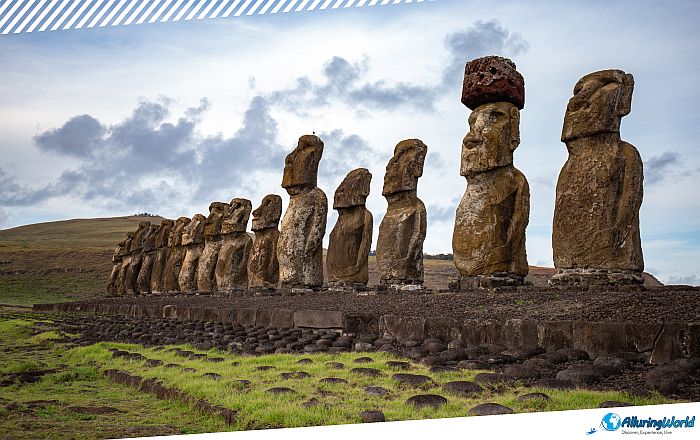
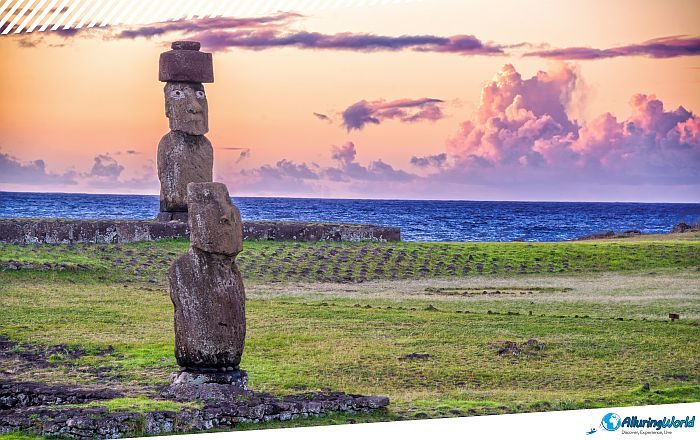
The Moai Statues are monolithic human figures that are considered to be quite mysterious for the people that would see them for the first time, and they have been carved by the Rapa Nui people on the Easter Island, which is located in eastern Polynesia, on Easter Island, an island that serves as a special territory in the southeastern Pacific Ocean, within the western part of the Republic of Chile.
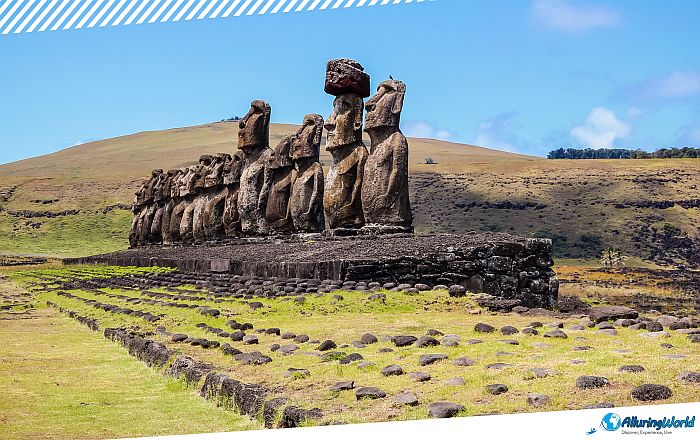
Standing as silent, stoic sentinels on the wind-swept hills of Rapa Nui, the Moai Statues are among the most recognizable yet enigmatic archaeological wonders on Earth. Located in one of the most isolated inhabited spots on the planet, the Moai Statues have preserved a unique megalithic tradition that continues to baffle scientists, historians, and travelers alike.
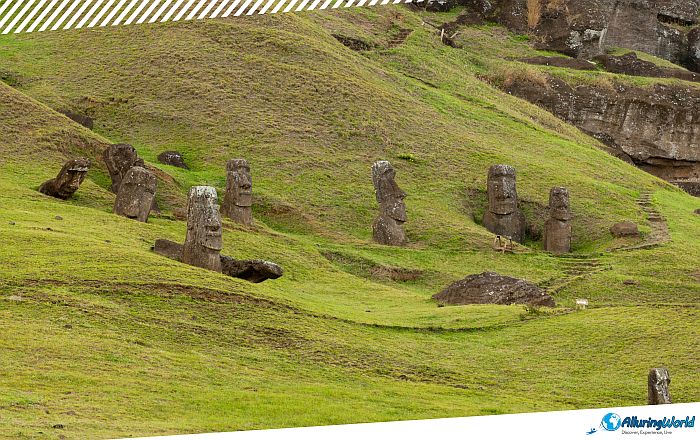
The Moai are large-scale human sculptures created by the Rapa Nui civilization from around 1250 until 1500. Popularly termed as “Easter Island heads,” they were actually full-body sculptures that became partially covered in dirt over time, with their torsos hidden beneath their shoulders due to erosion and other natural factors.
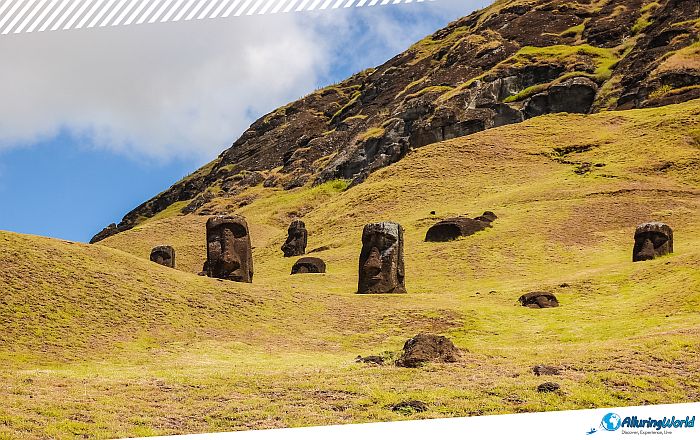
Their size is unbelievable, and a regular Moai sculpture is about 4 m (13 ft) high on average. However, the largest and most massive one successfully erected by the islanders was called Paro, measuring at a height of 10 m (33 ft), with a weight of 75 tons. In the primary quarries found in Easter Island, an unfinished Moai sculpture is still attached to the bedrock, dubbed El Gigante. If ever completed, it could reach up to 21 m (69 ft) and weigh 270 tons.
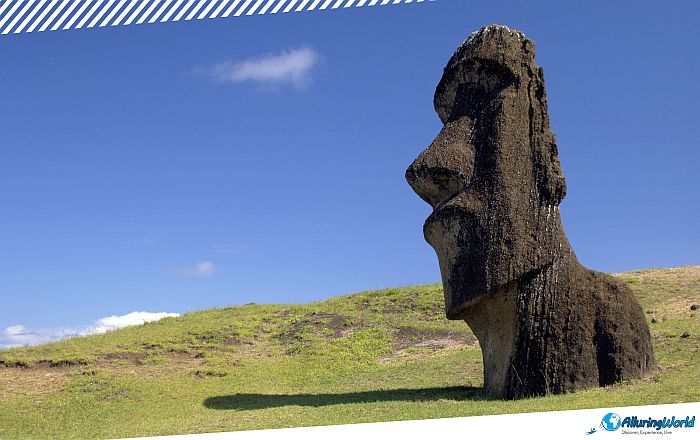
The materials that have been used to create these mesmerizing statues, the Rapa Nui people used materials, such as:
- Tuff: 837 statues were carved from this compressed volcanic ash, primarily from the Rano Raraku quarry.
- Red Scoria: 177 statues (and the Pukao topknots) were made from this fragile crimson stone.
- Trachyte: 22 statues.
- Basalt: 13 statues, reserved for the most significant figures.
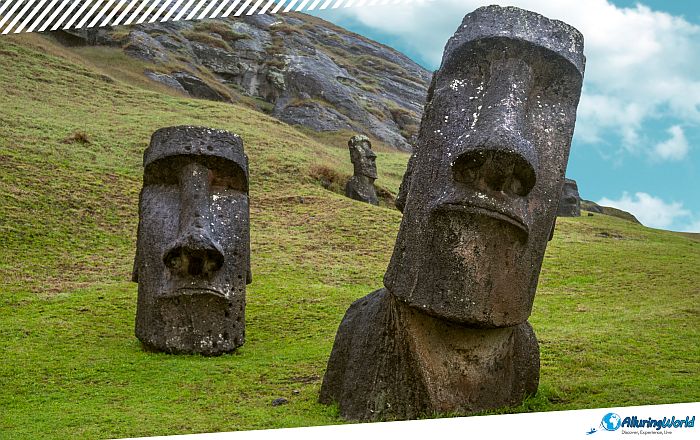
The core question regarding the Easter Island civilization for many years was how a Neolithic society without any form of wheel transport or beasts of burden transported these massive figures over great distances through difficult terrain. According to the legends of this civilization, these figures “walked” to their ultimate destination as they were directed by spiritual energy, rather than being transported by brute force.
ADVERTISEMENT
As the legend has been passed down to people, and according to Rapa Nui tradition, the statues were brought to life by a powerful spiritual essence called mana. A chief or priest would order the statues to “walk” to their designated spots, overlooking the Rapa Nui people, so that the statues would typically protect their villages and represent ancestral authority.
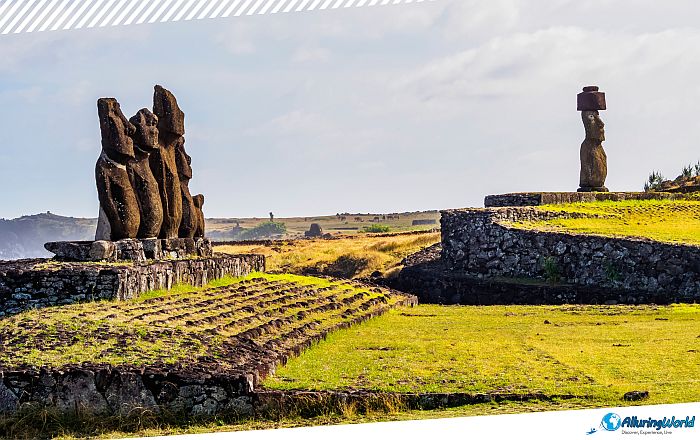
Modern experimental archeologists have found some evidence that this may have been closer to literal reality than previously suspected. Using a method called “rocking,” similar to moving a refrigerator, teams utilizing three ropes (two on either side and one on the rear) have been able to “walk” replicas of Moai figures.
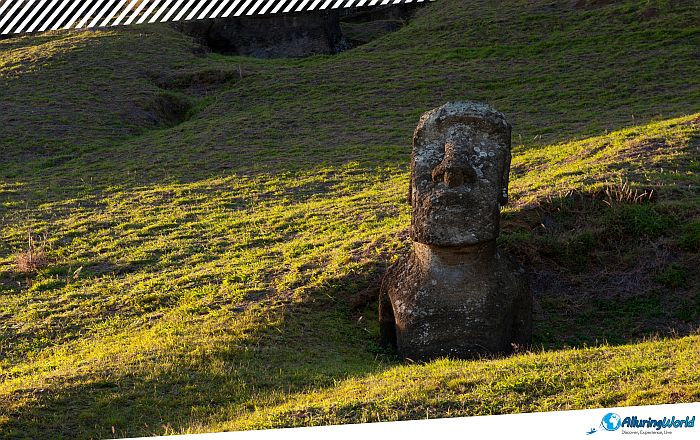
Overall, the Moai Statues were far more than mere art; they were repositories of sacred spirit, the aforementioned mana. Archaeologists believe they represent the “living faces” of deified ancestors. This belief was due to the power of scale, because the larger the statue, the more mana the chief who commissioned it was believed to possess. The chronology is intriguing because archaeologists have noted that the smaller statues tend to be older, reflecting an era before the competitive “statue-building craze” took hold of the island’s clans. Finally, the placement of the statues is almost the same because almost all Moai face inland toward the villages, thus keeping a protective eye over the people; only the seven Moai at Ahu Akivi face out to sea, likely to help travelers find the island.
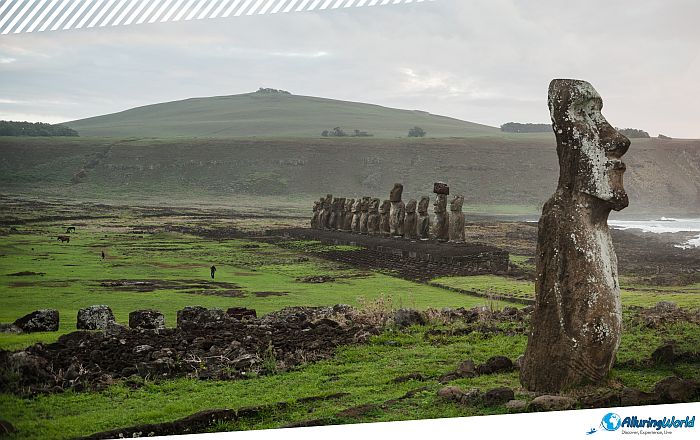
Their invaluable nature led UNESCO to classify Rapa Nui National Park as a World Heritage Site in 1995. These monuments are highly delicate; they can be easily destroyed by salt air, strong winds, and alien plant life like lichen, hence why it is very important that they be protected and also preserved so that future generations can marvel at them.
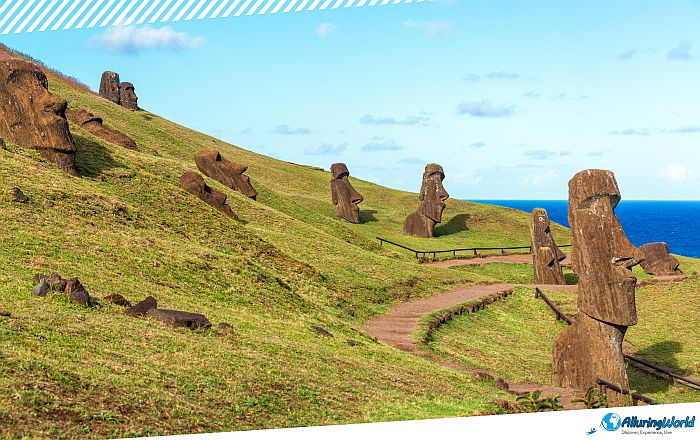
It goes without saying that both the local population and the Chilean authorities are serious about protecting these monuments. The legislation bans tourists from coming into contact with or even getting close to the Ahu (sacred stone altars), or any statues for that matter. One noteworthy case took place in 2008, where a Finnish tourist chipped part of the Moai’s ear, and this resulted in an immediate fine of $17,000 and a prohibition from visiting the island for three years.
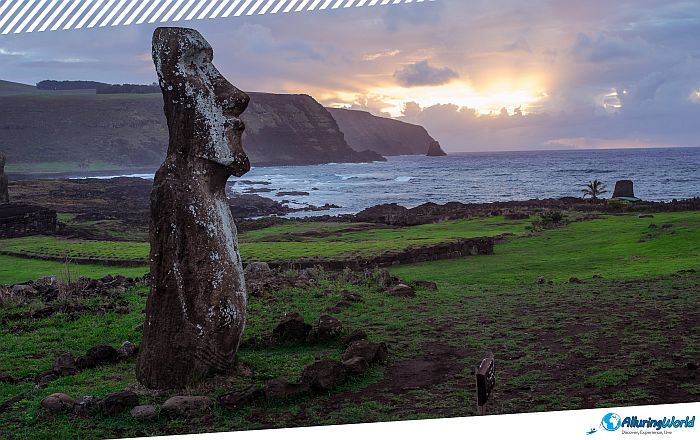
In conclusion, the Moai of Easter Island still represent the indomitable spirit of humans and their wish to be remembered even after centuries. Although there is an extinction of the old ecosystems of the island and struggles of the local people, the legacy left behind still lives; that is, the Moais face inward towards the villages they were supposed to protect. This unique place is indeed fortunate for all tourists who get to visit, so if you get the chance to come to this desolate and yet very amazing place, do not think twice, but pack your suitcases and get there as soon as possible.