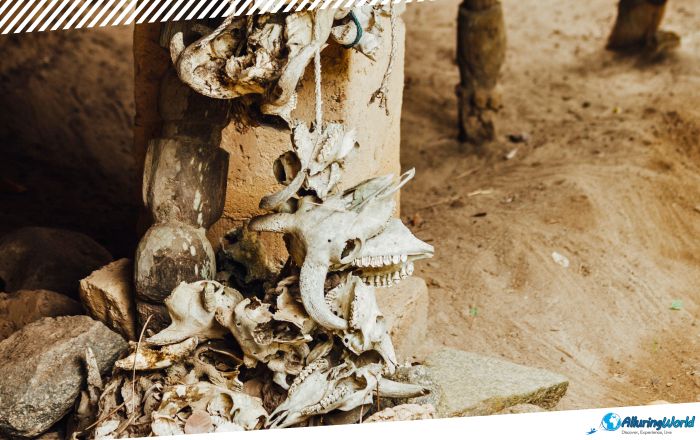
The Vodun Temples of Abomey are sacred but very unique religious temples that are in the city of Abomey, which is situated in the Zou Department within the south-central part of the Republic of Benin. As these temples are more than just religious sites, they are living testaments to centuries of spiritual, cultural, and political history of the once capital city of the mighty Kingdom of Dahomey, which is nowadays proudly located in the small West-African country of Benin.
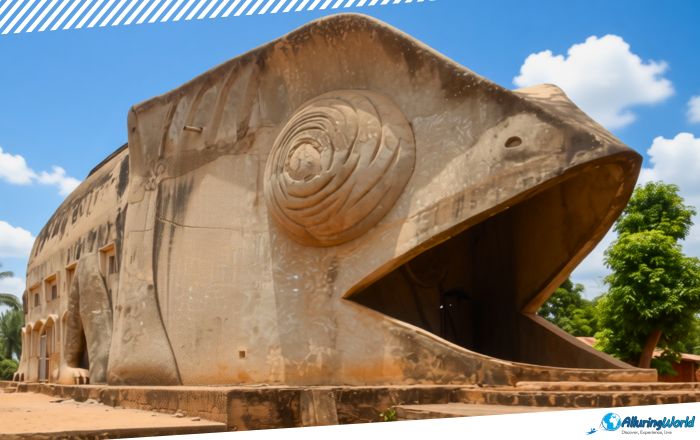
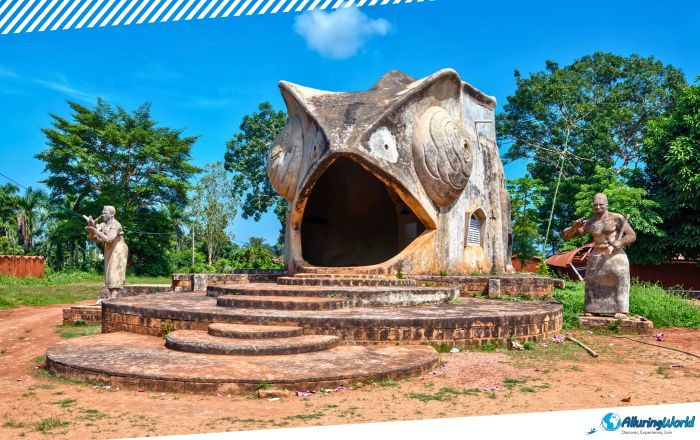
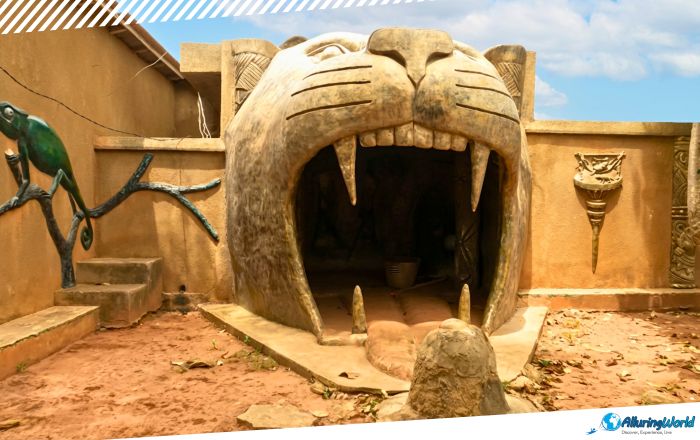
Scattered within and around the historical city of Abomey, these temples serve as sacred centers dedicated to Vodun deities and ancestral worship, reflecting the deeply rooted traditions of the Fon people. Perhaps among the most interesting ones are the ones that resemble an animal, in particular the Chameleon Temple and the Jaguar Temple, but similar to what the Python Temple is. Abomey has long been a powerful spiritual and political hub, where Vodun, better known as Voodoo, functioned as a religion and the official state faith, thus linking the spiritual authority of the deities with the political power of the kings. Nowadays, we can still see these active temples, as they keep the centuries-old rituals and provide visitors with a rare glimpse into one of West Africa’s most intricate and vibrant spiritual traditions.
Abomey itself is a city imbued with history and significance. The temples are closely connected to the Royal Palaces of Abomey, which only proves the connection between religion and governance in the Dahomey Kingdom. When historians talk about the palaces and their associated temples, they always say that both served as centers for decision-making, ceremonial life, and spiritual guidance. Most importantly, the Vodun deities were considered to be active participants in the welfare of the kingdom, so they played a crucial part in everyday life.
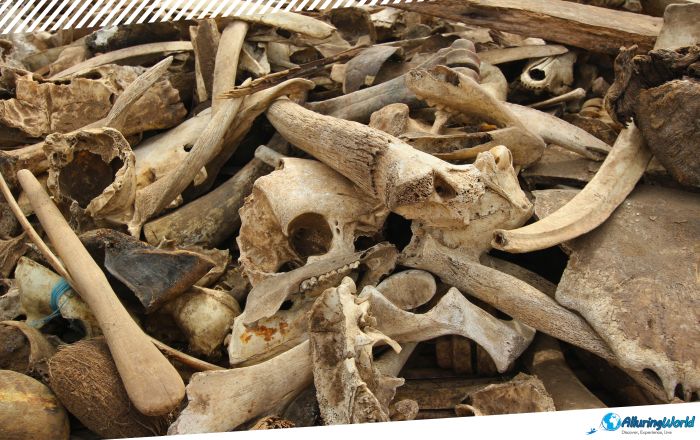
Vodun, often referred to as Voodoo outside of Benin, is a monotheistic religion with a supreme being, Mahou or Nana Buluku, complemented by a pantheon of lesser spirits, each governing aspects of nature, society, and human life. The practitioners are communicating with these deities within the temples, and as they seek protection, guidance, and blessings through offerings, divination, and ritual performance, they are deeply connecting with their firm belief.
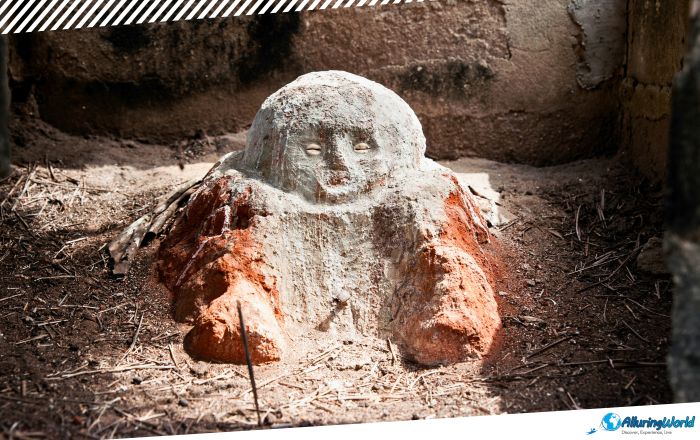
When seen through an organizational perspective, the temples themselves can be categorized into three main types: royal temples dedicated to ancestral veneration, public temples devoted to specific Vodun deities, and Fâ divination sites. As the term refers, the royal temples focus on the ancestors of the royal lineage, particularly the deceased kings of Dahomey. To make sure that the royals’ continued spiritual presence and influence over the living is still felt today, these temples often house sacred artifacts, personal items, and relics associated with past rulers. Public temples, on the other hand, are not the same as the royal ones because they are dedicated to specific deities.
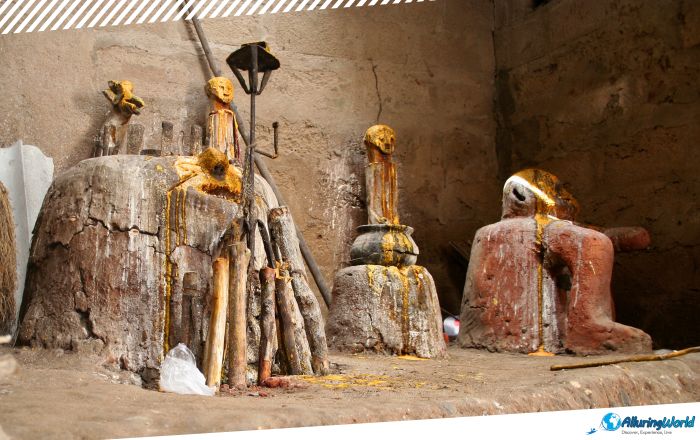
These deities can be Heviosso, the god of thunder and justice; Sakpata, the god of smallpox and the Earth; or Mami Wata, a widely venerated water spirit. Initiated priests and priestesses are the leaders for these temples, and they act as intermediaries, guiding worshippers and performing rituals to appease or consult the deities. Finally, Fâ divination sites are also another essential link in the vodun temples because they provide a spiritual framework for understanding destiny and making critical decisions in daily life. The Fâ system is considered to be quite complex and highly respected, since it enables individuals to seek guidance and navigate the uncertainties of life through divinatory practice.
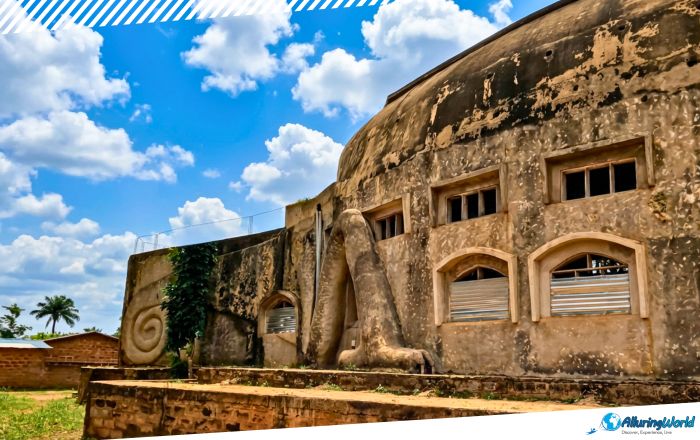
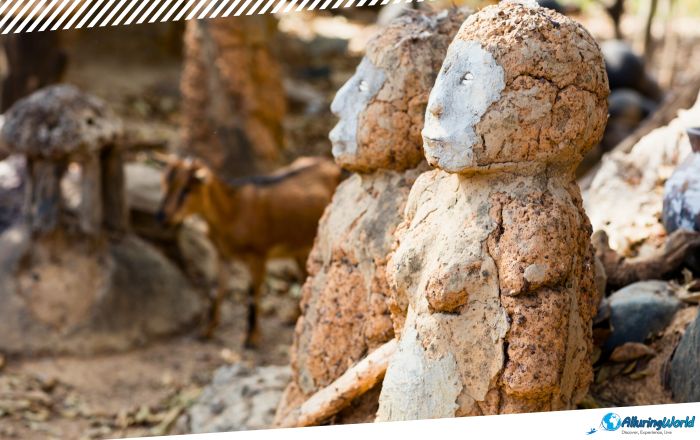
Architecture in the Vodun temples of Abomey is deliberately modest on the exterior for the majority of the temples, with the exception of the very few that have some animal form, reflecting the focus on the sacred interior space. Most temples are constructed with local materials such as earthen walls, mostly from laterite, which is a reddish, iron- and aluminum-rich soil and rock formed in hot, wet tropical/subtropical climates through intense weathering. Additionally, the structure is usually topped with thatched or corrugated iron roofs, which emphasize the function and spiritual integrity. Some Vodun temples resemble local wildlife, although these are very rare, but are quite popular among the visitors who like to visit these impressive religious structures.
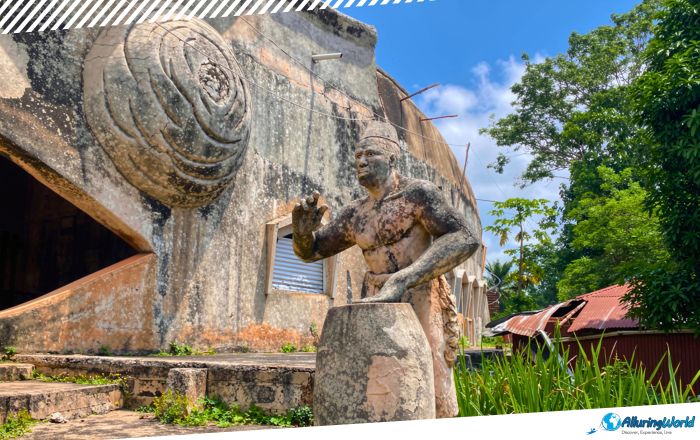
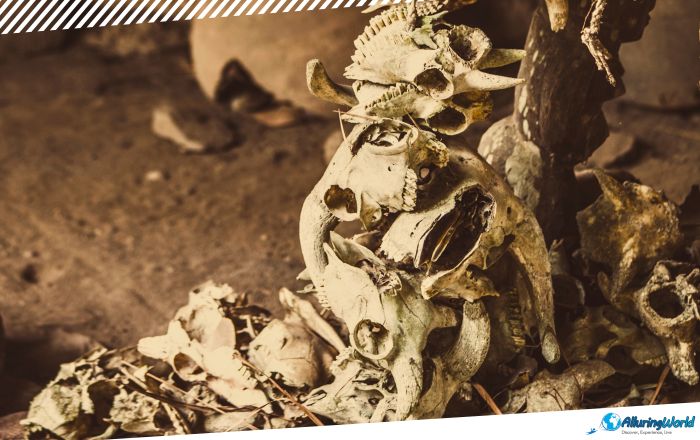
Within the temple compounds, there can be sacred altars, ritual objects, and spaces for ceremonies, which dominate the design. Interestingly, there are also sacred trees and small courtyards which provide additional spiritual space, while walls are often adorned with bas-relief carvings or painted symbols related to the specific deity. The simplicity of the exterior belies the richness and intensity of the spiritual life within, where ceremonies, offerings, and divinations form the core of daily religious practice.
ADVERTISEMENT
Very often, the rituals performed at the Abomey Vodun temples are diverse and deeply immersive, and they can range from annual to a single event. Yearly festivals are the most common, and they are central to the religious calendar, often involving drumming, dancing, and trance-like states where participants become possessed by Vodun spirits. Offerings of water, cornmeal, alcohol, and other items are made to honor the deities and request blessings or guidance.
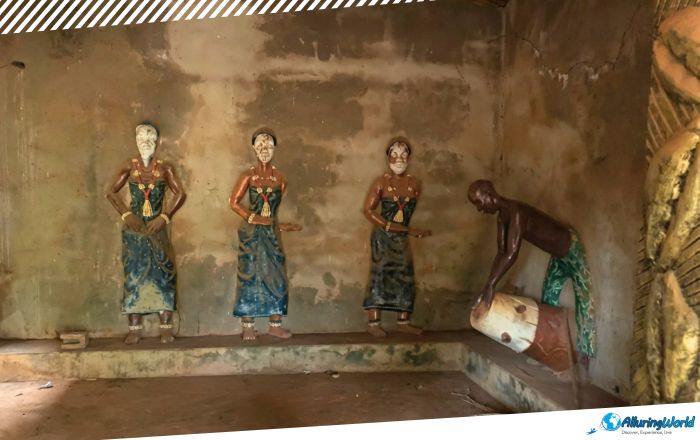
These ceremonies might appear different in the eyes of Western cultures, but they are still spiritual expressions for the locals who are reinforcing the community identity. In addition to this, the sacred compounds also function as spaces of learning and transmission, and here younger generations observe and participate in age-old rituals, making sure the religious traditions will continue to be passed down to future generations.
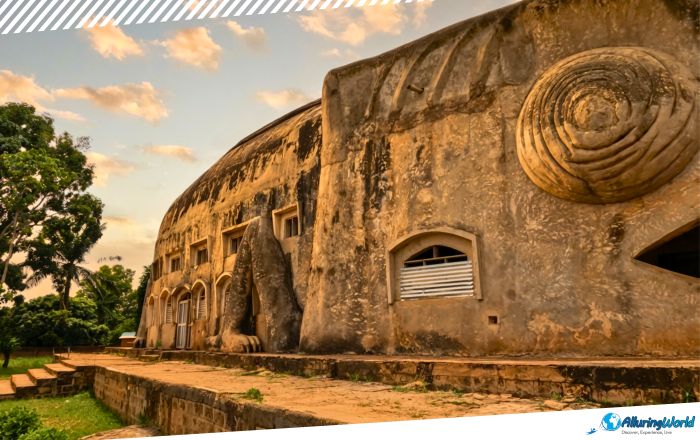
Tourism in Abomey’s Vodun temples provides an invaluable opportunity to engage with one of West Africa’s most enduring spiritual practices. While the temples remain deeply private and sacred spaces, there are still many temples that allow respectful visitation under the guidance of local priests or cultural liaisons. If you decide to visit one of these mesmerizing temples, you can observe ritual objects, learn about the pantheon of Vodun deities, and even gain insights into the intricate role of religion in historical and contemporary Benin. This majestic experience will offer you a profound understanding of how faith, culture, and governance were interwoven in the Kingdom of Dahomey, and it still continues to influence modern Beninese identity.
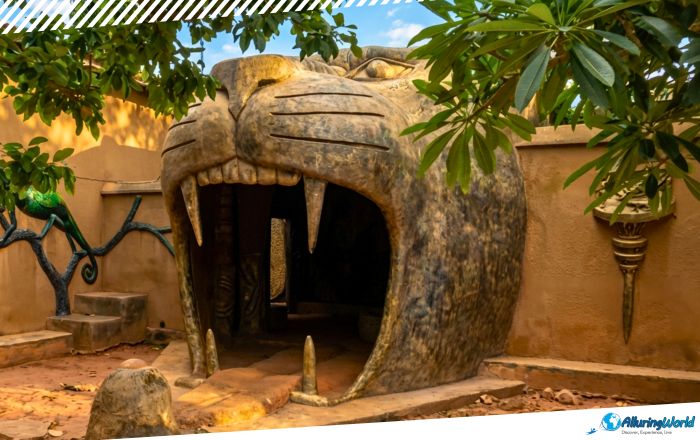
Unfortunately, as the modern age progresses rapidly, the conservation of the Vodun temples presents challenges and opportunities. The traditional earthen architecture is very vulnerable to tropical weather conditions because they require ongoing maintenance and care to preserve these historical structures. Balancing conservation needs with active religious practice and tourism is an ongoing concern, but the locals are taking measures and precautions in protecting these sacred places, thus emphasizing the living nature of the temples as both cultural heritage sites and functioning places of worship.
Locals are doing their best to make sure that their temples are in good condition, as they continue to improve the conditions when some minor restoration is needed. When one temple is preserved and/or restored, then that temple can be saved for future generations to continue practicing the Vodun traditions. This makes it sure that future Beninese generations will continue to experience and learn from these vital spiritual and cultural centers.
In conclusion, even though they are mostly seen as a religious centers, the Vodun temples of Abomey are far more than this as they present historical relics which are vibrant, living centers of worship, culture, and heritage. As they are deeply rooted in the history of the Kingdom of Dahomey, well connected to the Royal Palaces of the once powerful Kingdom, and central to the practice of the Vodun religion, these temples provide a unique window into the spiritual life of the Fon people. To put it simply, they embody centuries of tradition, artistic expression, and social organization, while at the same time, they serve as symbols of resilience and cultural identity. When you visit these majestic structures, you will be offered a rare and profound encounter with a living African faith, making them an essential destination for anyone interested in history, spirituality, and the rich cultural mosaic of Benin.