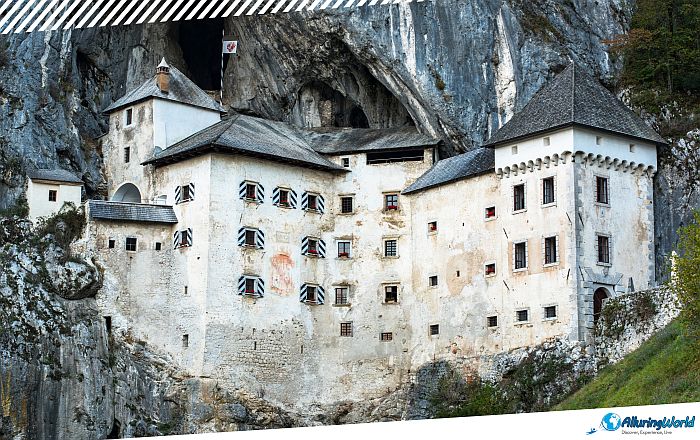
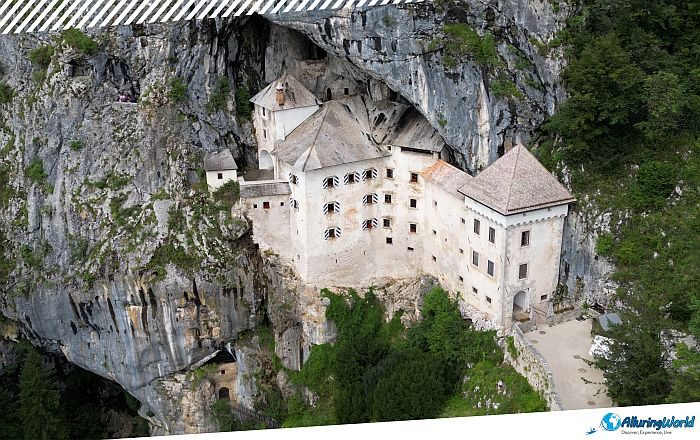
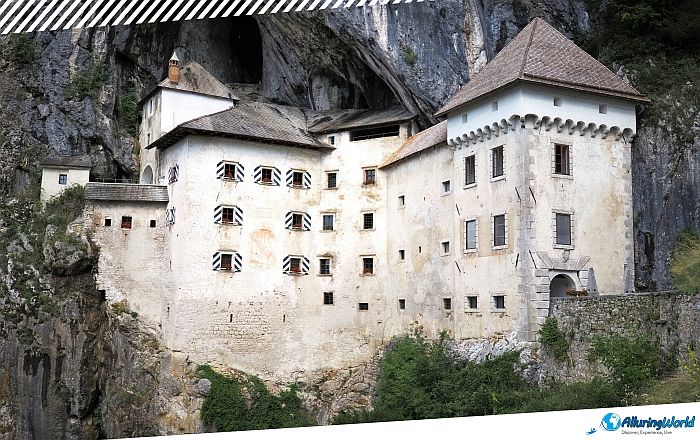
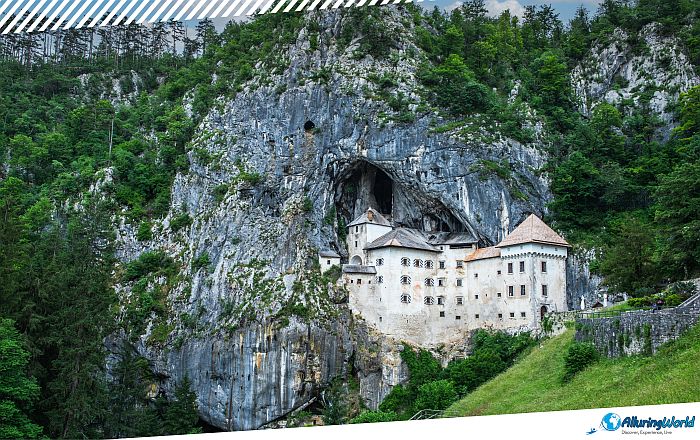
Predjama Castle, or as the local name would be Predjamski grad, is an iconic and awe-inspiring historical Renaissance castle that is located within a cave mouth in the village of Predjama, which is a small settlement in the Municipality of Postojna in the Inner Carniola region of the Republic of Slovenia. As the name from Slovenian would be aptly translated to “Castle in front of the cave,” this in fact is one of Slovenia’s most iconic historical landmarks. Perched halfway up a dramatic 123 m (403 ft) vertical limestone cliff in the Karst region, near the town of Postojna and roughly 9 km (5.6 miles) from the world-famous Postojna Cave, this castle exemplifies how medieval architecture adapted to rugged landscapes. Certified by Guinness World Records as the largest cave castle in the world, Predjama is renowned for its architectural fusion of cliff and stone, as well as the legendary tales of its most famous resident, the knight Erazem of Predjama.
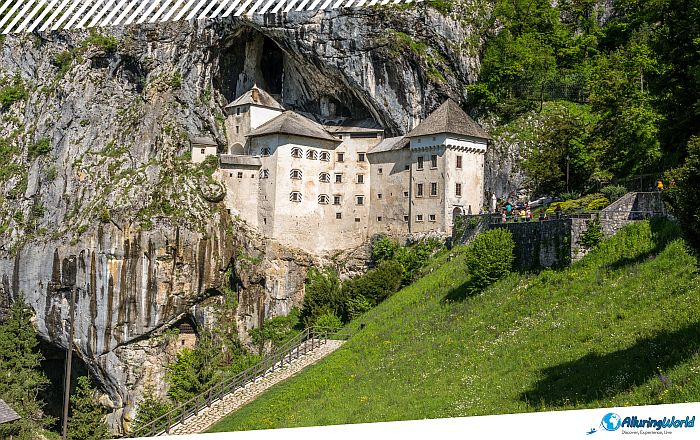
The most fascinating thing about Predjama Castle is how it integrates man-made architecture with nature. Instead of creating a conventional rectangular structure, the ancient stonemasons employed the existing karst limestone cliff as the rear wall and roof of the castle. The exterior and interior division walls were constructed using locally quarried limestone blocks held together with thick lime mortar. To withstand potential artillery pounding, ashlar stone blocks, which are precisely cut and dressed limestone, were positioned to frame the outer corners, window arches, and defensive embrasures. Heavy oak and spruce timber beams support the multi-level wooden flooring, staircases, and ceiling joists. At the same time, the deepest interior rooms require no built rear wall at all, consisting entirely of exposed, damp limestone cave faces.
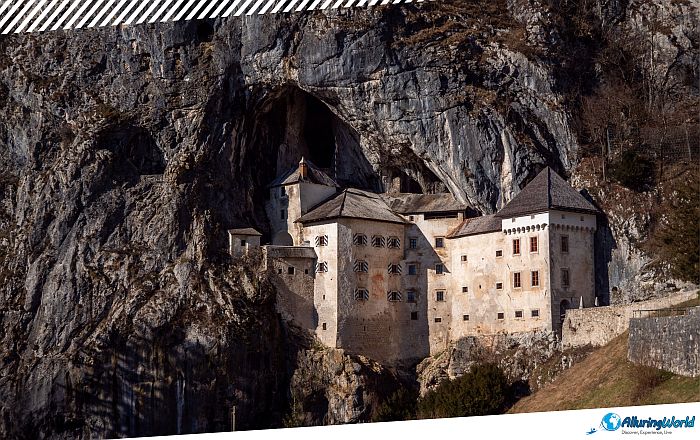
It has taken centuries to construct this fortification, but the outcome is as amazing as it was when it started. In the early 13th century, there was a Gothic fortress which had been constructed deep into the cave opening, but after its destruction in an infamous siege in the 15th century, the Cobenzl family reconstructed and enlarged the castle in 1570 with a Renaissance outer wall closing off the cave entrance completely.
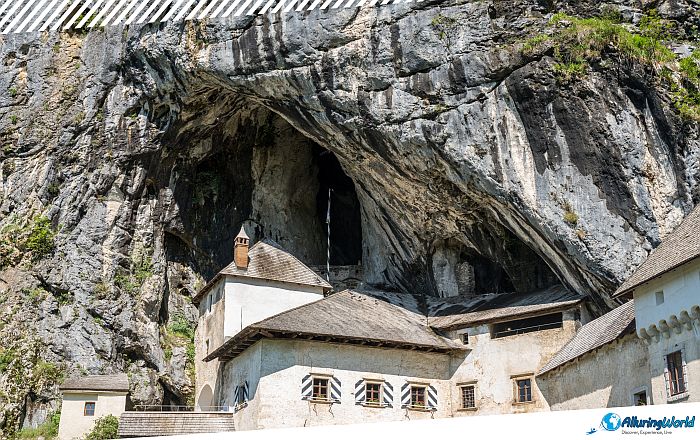
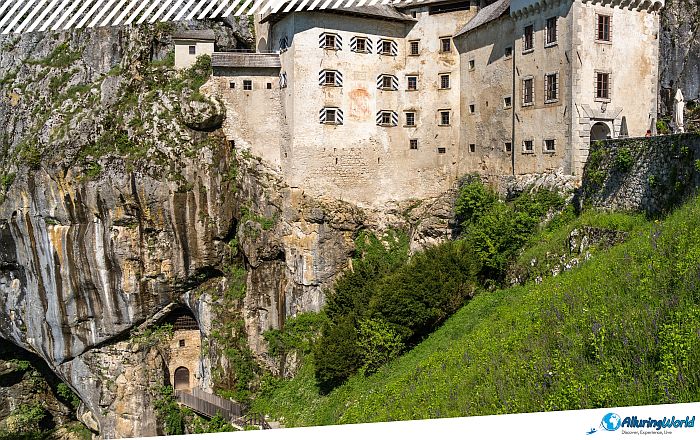
From the outside, the castle seems intimidating, as it rises from the ground in a combination of white and gray stones. The defensive strategy outside involved concentric rings, and there was no way to access the lower part except via a drawbridge that passes through a deep chasm. There were arrow slits in the front wall of defense, gun slits for the initial artillery, as well as machicolations that would throw boiling pitch or stones onto the besiegers. At the very top, there is a huge overhang of natural limestone ceiling over the roof of the castle.
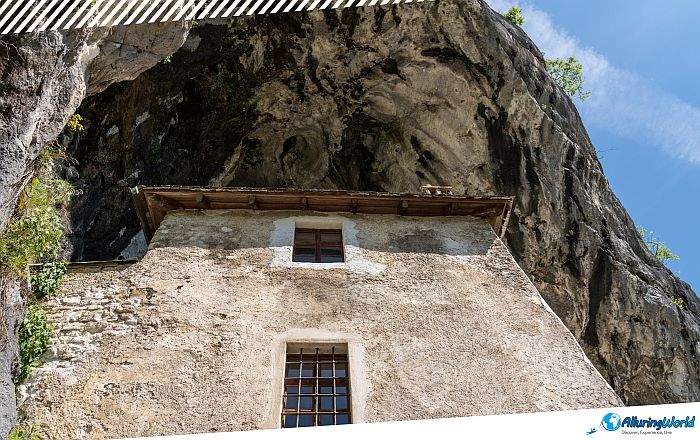
Within the castle, there are several floors where stone rooms slowly transform into natural underground rooms, and give a unique and quite astounding architectural marvel. On the first floor and basement, you can find the guardrooms, armory, storerooms, and the courtroom, which opens into a wet dungeon and torture room carved out of dark rocks. On the middle levels is the principal kitchen, which includes a fireplace and a stone trough to collect freshwater dripping down from the cave roof, along with accommodations for servants and soldiers. On the upper residential level, or the palace level, are the accommodations for the aristocratic family, including a heated parlor, chapel, and dining hall. Because cold moisture continuously seeps through limestone, these quarters were lined with thick wooden paneling to insulate against the humid cave environment. High above the living quarters, a wooden drawbridge inside the cliff face connects to the original 13th-century fortress ruins nestled deep within the cave hollow.
ADVERTISEMENT
Still, Predjama Castle is inextricably linked to the legendary 15th-century knight Erazem Lueger (Erazem of Predjama), a rebellious baron often called the “Slovenian Robin Hood.” According to legend, after killing the commander of the Imperial Army to defend his friend’s honor, Erazem fled to his family stronghold at Predjama. The Holy Roman Emperor dispatched a siege army led by the governor of Trieste to capture him. For over a year, the Imperial army surrounded the fortress, attempting to starve the garrison out; however, there is Erazem’s Hole, which is an opening that is connected with the castle. This was a secret vertical tunnel leading out through the top of the cliff into the nearby Vipava Valley, and Erazem used this hidden passage to bring in fresh meat, fruit, and grain, even throwing fresh cherries at the freezing, frustrated besiegers so that he could mock their efforts.
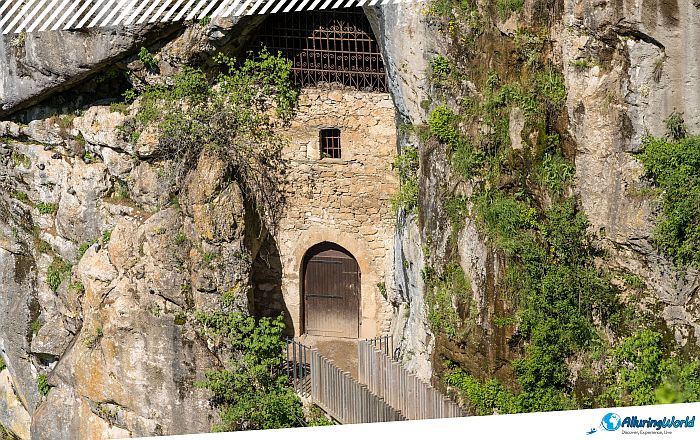
Ultimately, the siege came to an end through treachery rather than any military action. One of the paid servants put a burning candle inside the window of the outhouse, which was located on the outside of the castle walls, when Erazem arrived, and this was a sign for the besiegers to shoot with intent to kill. In the end, due to that sign given by the flame, one cannon shot killed the rebel knight, and thus finished the glory times of the “Slovenian Robin Hood.” According to local folklore, Erazem was buried in the village square next to the 15th-century Church of Our Lady of Sorrows, where his grieving sweetheart planted a European larch tree on his grave, a tree that still stands today.
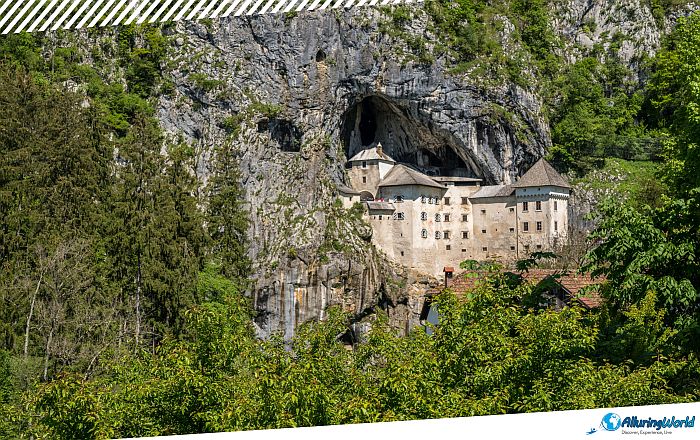
However, the caves associated with Predjama Castle are the second-longest cave system in Slovenia, covering four levels created by Mother Nature and used by humans for hundreds of years. The upper cave system was used by the besieged garrison as a vital escape route and supply link, helping in the transport of soldiers and supplies in secrecy. The entrance level features the castle itself, whereas the next level below features the Dry Stables Cave that used to house animals during wars. The lowest level consists of a water cave system formed by the Lokva Stream. At present, bats reside in these cave tunnels; therefore, these caves are closed for tourists in the winter season.
Currently, the Predjama Castle is run by the Postojna Cave tourism group and is run as a completely restored museum equipped with genuine medieval armory, armor, oil paintings, and historic objects. Each year in July, the Predjama Castle plays host to the Erazem’s Knight Tournament, also known in Slovenian as Erazmov vitezov turnir. The famous medieval event involves jousting tournaments, sword fighting, archery, and a medieval market complete with music, and it represents a trip back in time that you should not miss. If you’ve been convinced and plan to travel to Predjama Castle, then it can be easily accessed by road, and it offers a seamless travel pairing with the surrounding natural attractions.
If you need to know some specifics, then please consider the following:
- Location: Predjama village, located 9 km (5.6 miles) northwest of Postojna, Slovenia.
- Ticketing & Transport: Discounted combination tickets covering both Predjama Castle and Postojna Cave are available, with a dedicated shuttle bus running between both sites during July and August.
- Terrain & Gear: Guests can anticipate steep stone stairs, wooden ladders, slippery floors, and chilly room temperatures of 10°C (50°F) all year round within the stone formations. Bringing a light jacket or fleece and wearing sturdy, non-slip walking shoes is highly recommended, even in mid-summer.
- Audio Guides: Audio guides are provided free with admission and can be heard in over 15 languages. With the audio tour, you will get a detailed room-by-room tour which ensures all details are told accordingly.
Beyond its medieval history, Predjama Castle has captured modern pop culture, and you might have seen it in movies or shows. It served as a primary filming location for Jackie Chan’s 1986 action film ‘Armour of God,’ was featured on ‘Ghost Hunters International,’ and even inspired author George R.R. Martin during his visit to Slovenia
In summary, the strength of Predjama Castle’s attraction is in the integration of the elements of natural fortification, architecture, and folklore. This castle built into a limestone cliff is a symbol of survival and engineering in challenging conditions, and something that cannot be seen anywhere in Slovenia. Regardless of whether you visit the cold chambers of the castle, its underground passages, or listen to the tales of knight Erazem, the Predjama experience is a unique one that will always stay with you.