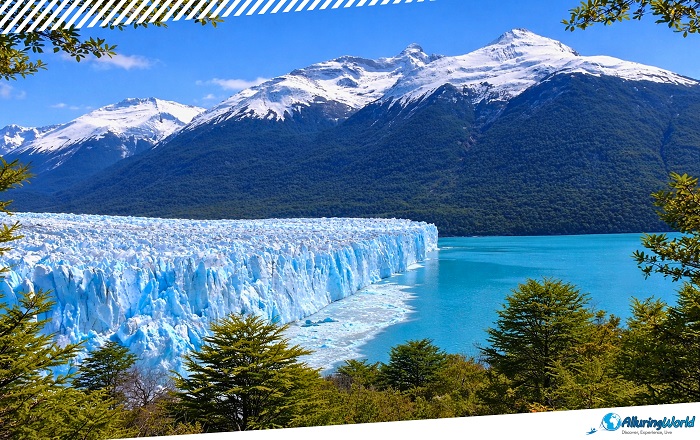
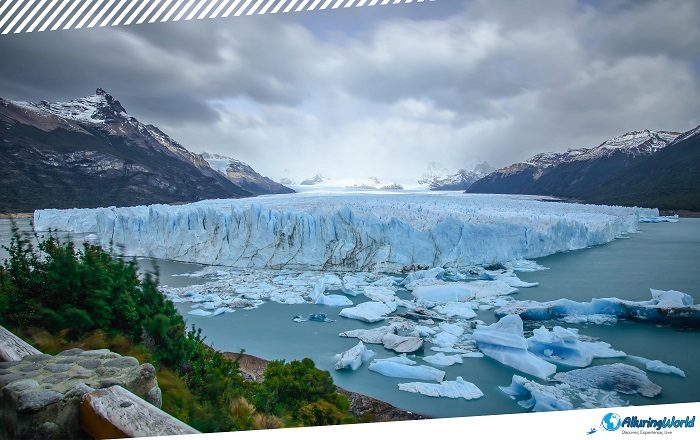
Perito Moreno Glacier, or as it is locally referred to as Glaciar Perito Moreno, is a large glacier that is part of the Los Glaciares National Park, in the southwestern part of the Santa Cruz Province, within the southern part of the Argentine Republic. Being one of Argentina’s most awe-inspiring natural wonders, drawing travelers from around the world to the southern reaches of Patagonia, the glacier was named after Francisco Moreno, who was a 19th-century explorer and key figure in Argentina’s national identity.
Even though its location is near the town of El Calafate, it still feels like it is pretty remote, due to its pristine setting, which ensures that visitors feel truly immersed in the vast wilderness of the Southern Patagonian Ice Field, or locally referred to as Campo de Hielo Patagónico Sur. Stretching across the rugged Patagonian landscape, Perito Moreno Glacier is listed as a UNESCO World Heritage Site, and this site offers mesmerizing vistas and amazing adventures for all types of travelers.
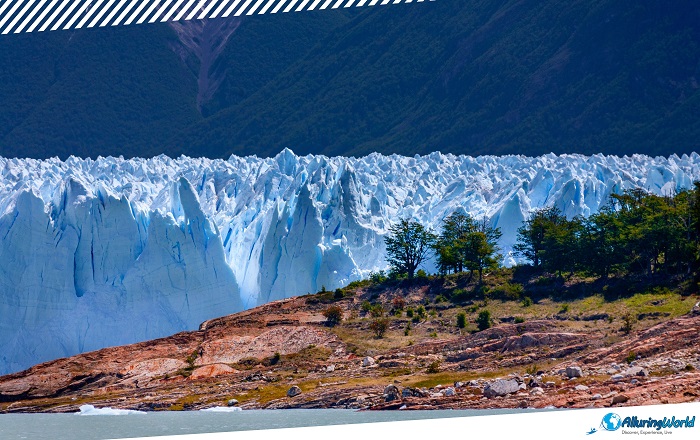
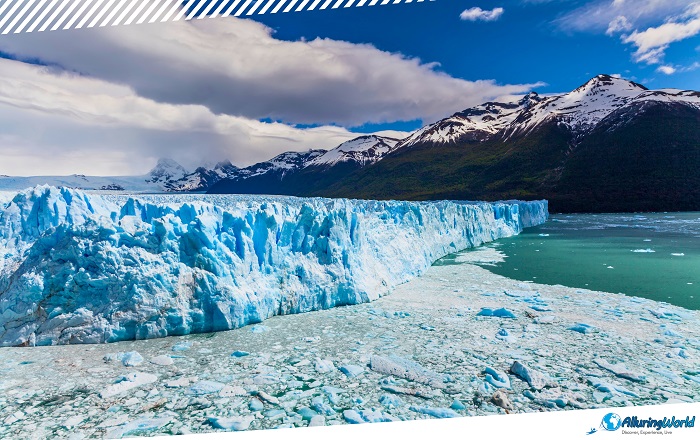
Geographically speaking, Perito Moreno is one of 48 outlet glaciers that flow from the enormous Southern Patagonian Ice Field. This colossal field is the world’s third-largest reserve of fresh water, which makes it one of the most crucial sources of fresh water in this part of the world. Its terminus measures approximately 5 km (3 mi) wide and towers about 70 m (240 ft) above the surface of Lake Argentino, which is the largest lake in Argentina.
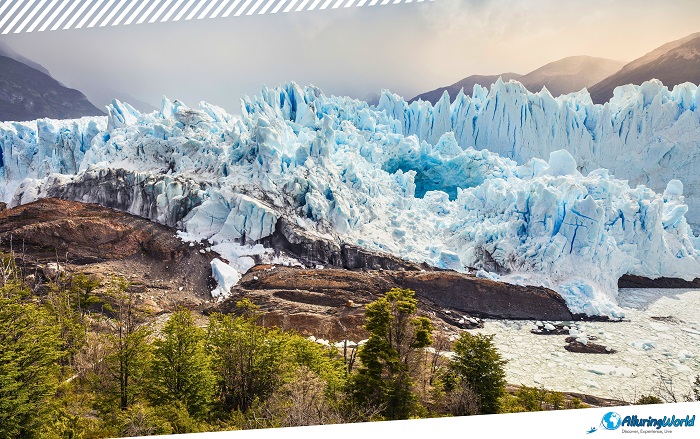
What sets Perito Moreno apart from most glaciers worldwide is its unique stability. When compared to other glaciers, this glacier continues to maintain a dynamic equilibrium, and it is even sometimes advancing slightly, unlike the others, which are rapidly retreating due to global warming. This unusual behavior has made it a desirable laboratory for glaciologists to investigate, and also a consistent attraction for tourists.
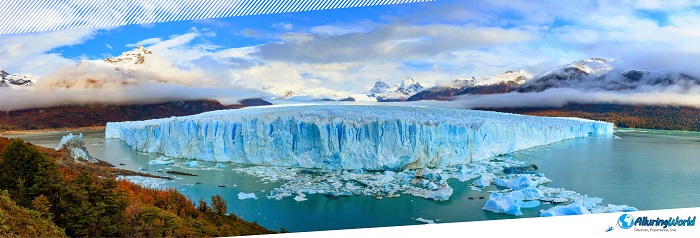
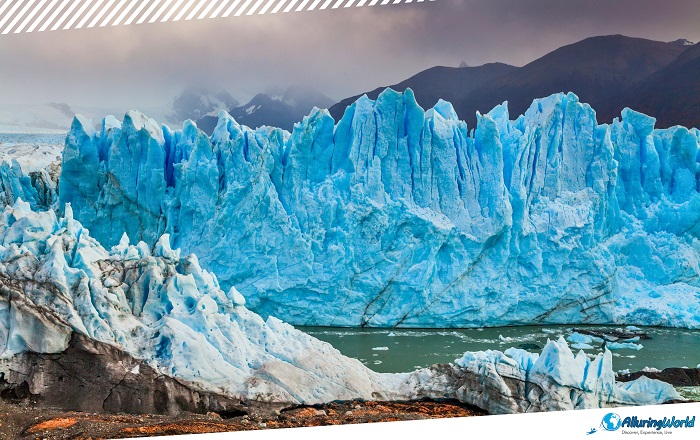
Perito Moreno Glacier is also incredibly active, moving up to 2 m (6.5 ft) every day. This constant shifting creates a dramatic, ever-changing landscape of jagged ice and deep crevices. There are varieties of the color blue, and this is an intense, deep blue color, which is the result of the centuries of compression the glacier had. Compressed snow creates a brilliant, translucent ice, but the real highlight of Perito Moreno is the constant calving, where you can watch massive chunks break right off the edge. These chunks are crashing dramatically into Lake Argentino and create thunderous splashes and floating icebergs, consequently attracting more visitors each year.
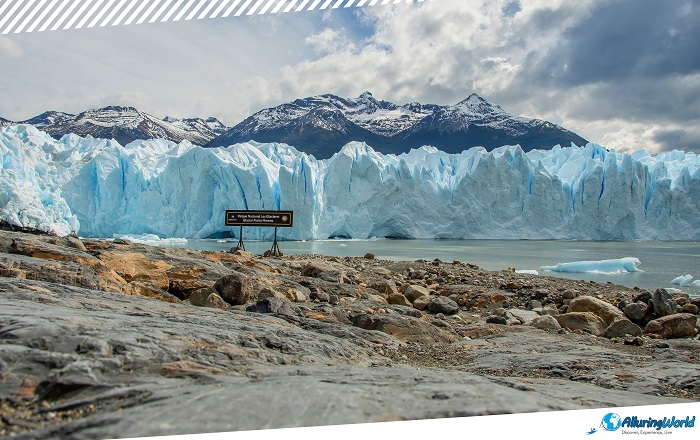
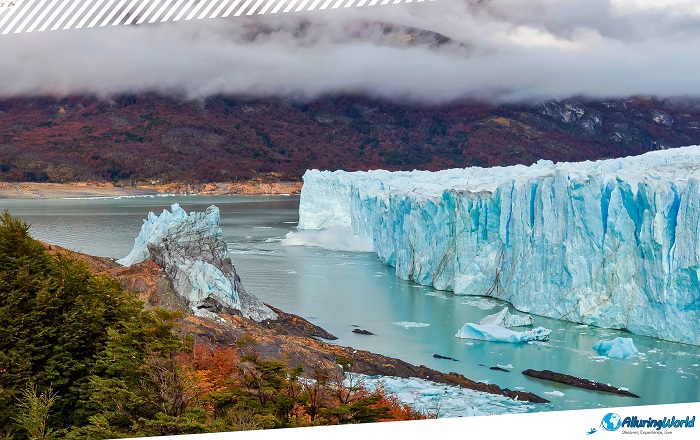
The cyclical rupture event is something that is an even more intriguing feature. This is a spectacle of nature that combines patience, timing, and sheer geological power, because as the glacier advances across the Canal de los Témpanos (Iceberg Channel), it eventually touches the Magallanes Peninsula, forming a colossal natural ice dam. This blockage separates the Brazo Rico (Rico Arm) of Lake Argentino from the main body of the lake, causing water levels in the Rico Arm to rise by as much as 30 m (98 ft) due to trapped meltwater.
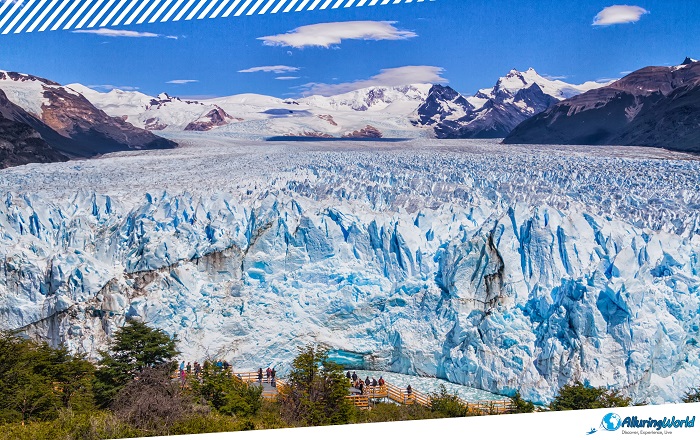
The increasing hydrostatic pressure eventually forces a tunnel through the ice dam. Over hours or days, the tunnel enlarges, culminating in a dramatic collapse of the ice arch that releases the pent-up water and equalizes the lake levels. Glacierologists cannot predict this even because it occurs on a cyclical basis, and sometimes it can happen annually or even sometimes after several years. The most notable ruptures were recorded in 2004, 2008, 2012, 2016, and 2018. For those fortunate enough to witness it, the rupture is a jaw-dropping reminder of nature’s power and dynamism.
ADVERTISEMENT
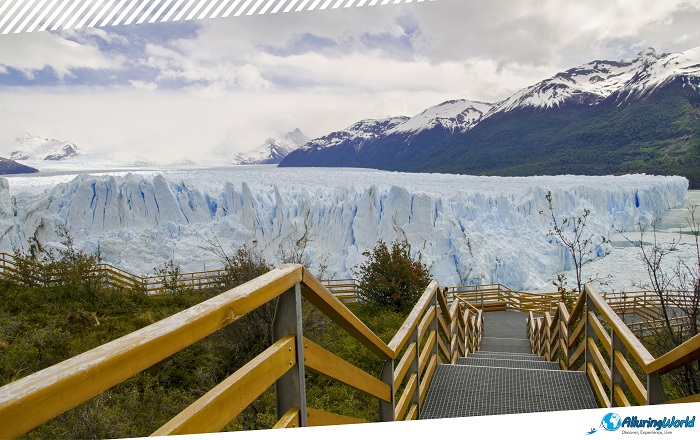
The overall tourism at Perito Moreno Glacier is highly developed; however, in order to preserve the fragile environment, it is carefully managed. The town of El Calafate is the main gateway, and visitors here can find accommodation, dining, and additional air connections that make the glacier accessible even for international travelers. There is a network of elevated walkways and viewing platforms from the Magallanes Peninsula, which provide unobstructed panoramic views across the lake to the glacier face.
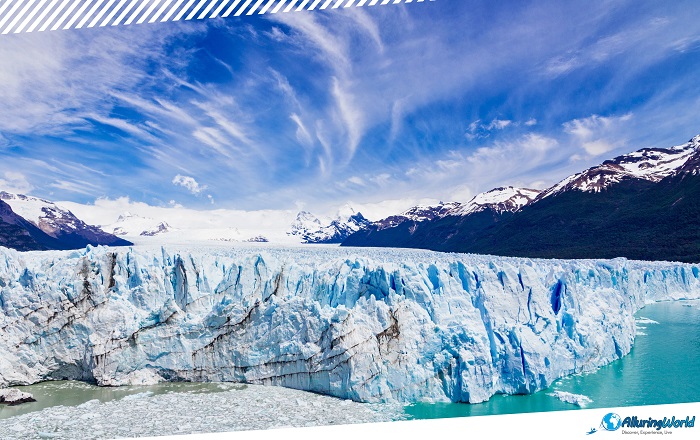
For a more intimate experience, there are nautical safaris aboard boats that navigate close to the glacier, offering a perspective of its towering height and the enormity of calving icebergs. If you are one of the more adventurous travelers, then a guided ice trekking excursion would be the most suitable solution. Since these range from the shorter “Mini-Trekking” to the more challenging “Big Ice.” These trekking experiences allow visitors to explore the glacier surface itself, strapping on crampons to traverse crevasses and discover the intricate textures and brilliant blues of the ice firsthand.
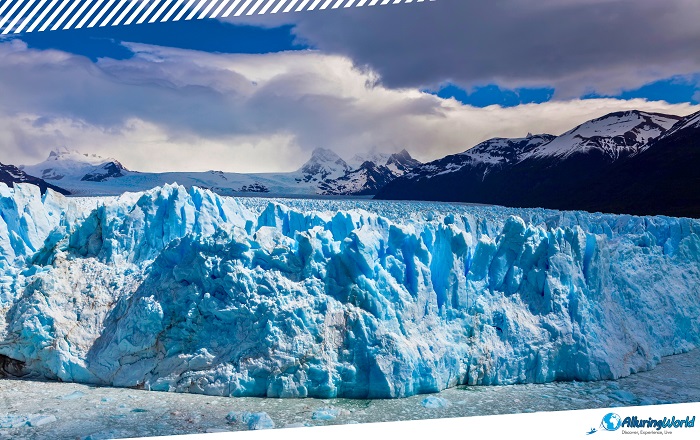
Nevertheless, with the increasing influx of tourists, conservation remains a core priority at Perito Moreno Glacier. Being part of Los Glaciares National Park, the area is subject to strict protection measures designed to minimize human impact. Vehicle access is strictly restricted, so all tourist activities are regulated to ensure the glacier and surrounding ecosystems keep their pristine condition.
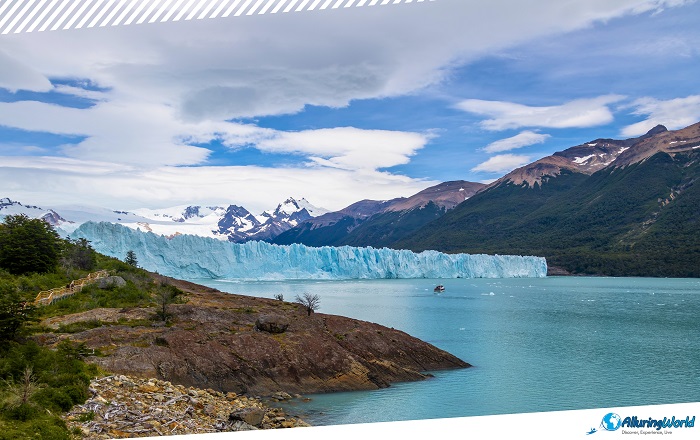
Despite being a popular attraction, the Perito Moreno Glacier is still subject to glaciological research. Numerous scientists study its unique stability to understand the interplay of climatic, geological, and hydrological factors, with the hope that they can discover why this glacier is not retreating as other glaciers around the world. When glaciologists find the link, we would have a chance of saving the other glaciers, for example, the Aletsch Glacier in Switzerland.
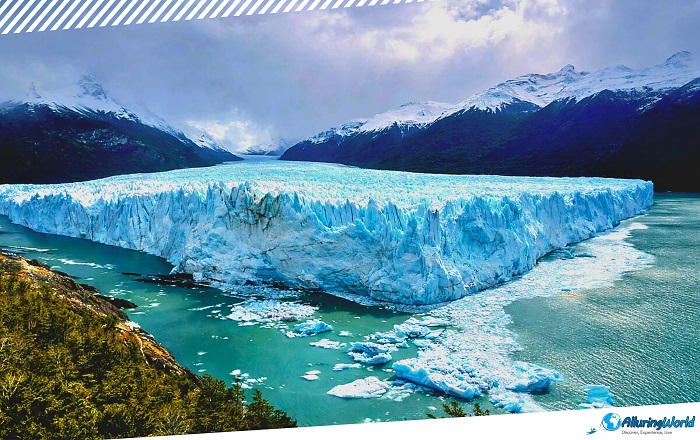
If you would like to visit Perito Moreno Glacier, then the best recommended period is between November and March, because this is when the Southern Hemisphere experiences its summer. This is the period when the weather conditions are more favorable, and days are longer, thus allowing you to get the most out of this majestic place. During this time, you will have quite excellent visibility for photography, safer ice trekking, and a greater likelihood of witnessing calving events.
Even though the visitors’ numbers are high during the high season, the expansive network of walkways and viewing areas ensures that crowds do not significantly detract from the experience. Unless you prefer more solitude and contemplation, the early mornings or late afternoons will provide you with quieter moments, with the glacier bathed in the soft light of Patagonia’s vast skies.
In conclusion, Perito Moreno Glacier is a simple and yet very intriguing masterpiece of nature. The place combines immense geological power, breathtaking beauty, and rich opportunities for adventure, and its towering ice walls, dramatic calving events, and cyclical rupture phenomenon make it a living testament to the dynamic forces that are shaping our planet. Offering more than beautiful vistas, Perito Moreno Glacier is sure to deliver a frozen landscape that cannot be seen in other places on the planet.
Perito Moreno Glacier continues to be a must-visit destination, often featured in travel brochures, and if you would like to experience an adventure in Patagonia, then this is the place for you. Overall, if you ever get the chance to travel to southern Argentina, then do not miss the opportunity of an unforgettable encounter with the living pulse of Argentina’s natural heritage.