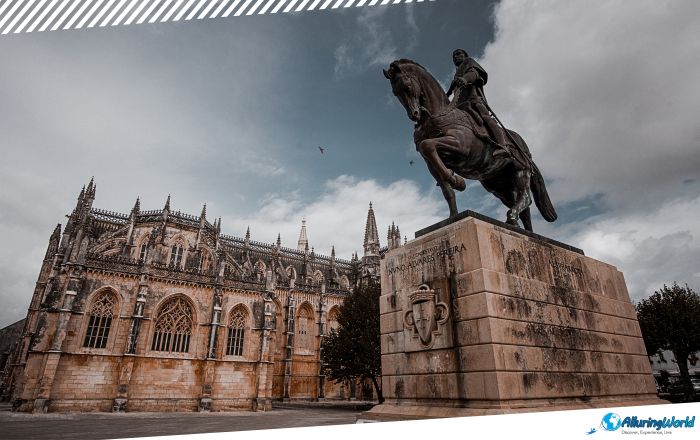
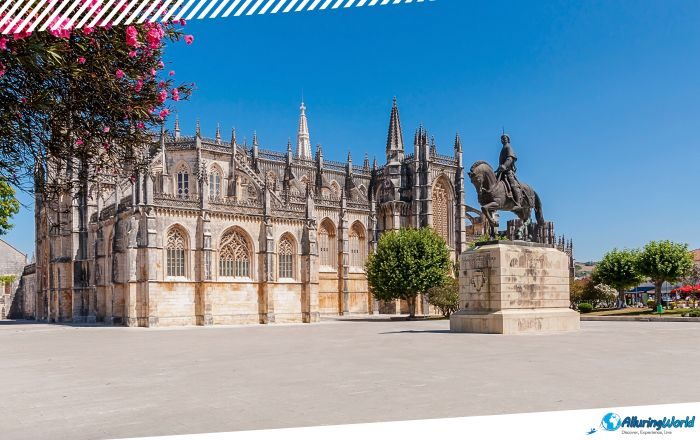
Batalha Monastery, which in translation literally means the Monastery of the Battle, is a historic and very important Dominican convent (from the Order of Preachers), located in the District of Leiria, within the central-western part of the Portuguese Republic.
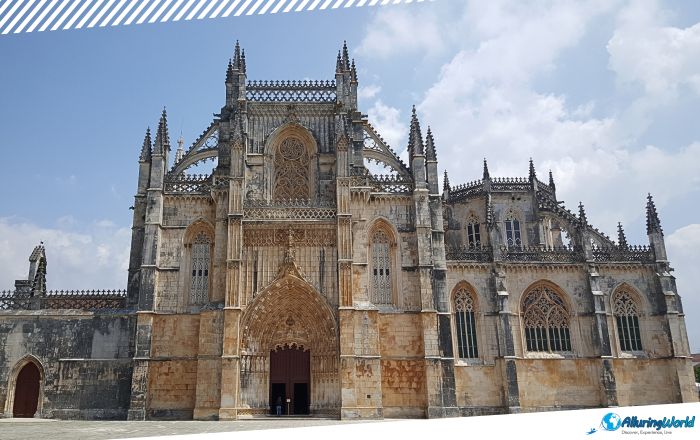
Officially known as the Monastery of Saint Mary of the Victory, this Portuguese monastery is very important to the Portuguese people because in 1385, King João I promised to build a magnificent monastery dedicated to the Virgin Mary, with a condition that his outnumbered army defeated the Castilians at the important Battle of Aljubarrota. This battle was a decisive, pivotal military confrontation where a smaller Portuguese force, led by King John I and General Nuno Álvares Pereira, decisively defeated a much larger Castilian army, and in return, this victory secured Portugal’s independence from Castile, ending the 1383–85 crisis.
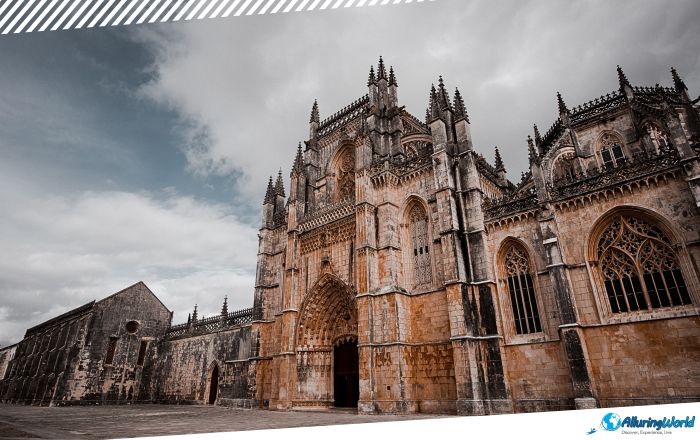
Miraculously, as the King was successful in his aim and gained the independence of Portugal from Spain, he started working on delivering his promise right away, and started constructing the Batalha Monastery. Still, it took over a century to build this amazing monastery, which had seven kings to oversee the construction, and in total, there were fifteen architects involved in the massive project.
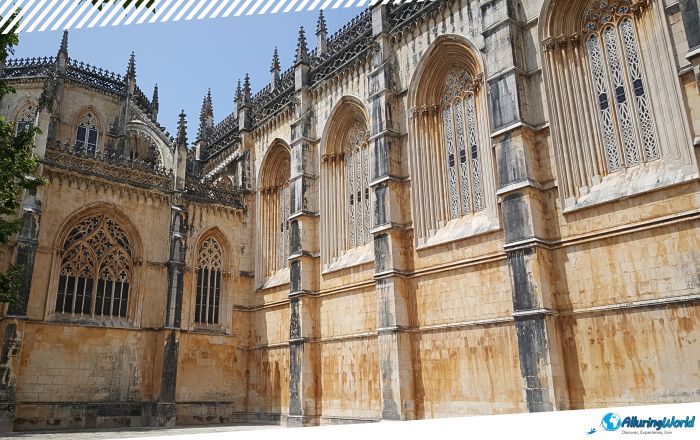
Starting in 1386 and ending in 1517, it is obvious that the monastery was not quite finished as it was imagined at first, since it had to go through several architectural hands throughout the centuries. The Portuguese architect Afonso Domingues was the one to start with the project until 1402, who drew up the plan and many of the structures in the church, together with the cloister.
ADVERTISEMENT
After him, there have been many architects who took over the work. Still, it came to a halt when King John III of Portugal decided to put all his efforts into the construction of the Jerónimos Monastery in Lisbon.
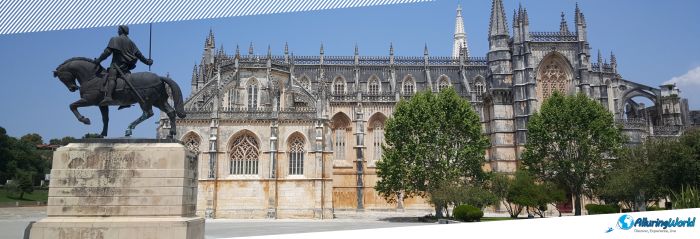
There was an earthquake in 1755, which caused some damage, but it was later in 1840, when King Ferdinand II of Portugal started a restoration project so that this Portuguese jewel would be saved for future generations. As soon as the resotration was completed, the Batalha Monastery got its amazing look, and today this is really a masterpiece of Portuguese architecture.
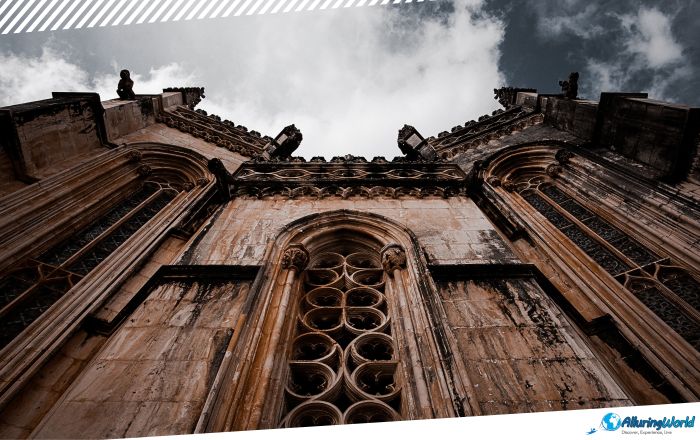
Interestingly, the west façade is covered in lacy stonework and filled with Gothic windows, while the west portal of the church is decorated with a riot of Gothic sculpture. Free-standing statues of the Twelve Apostles flank the doors, each one with a unique appearance. Perhaps one of the most imposing features stands at the top of the façade, and it contains the largest stained-glass window in Portuguese Gothic architecture.
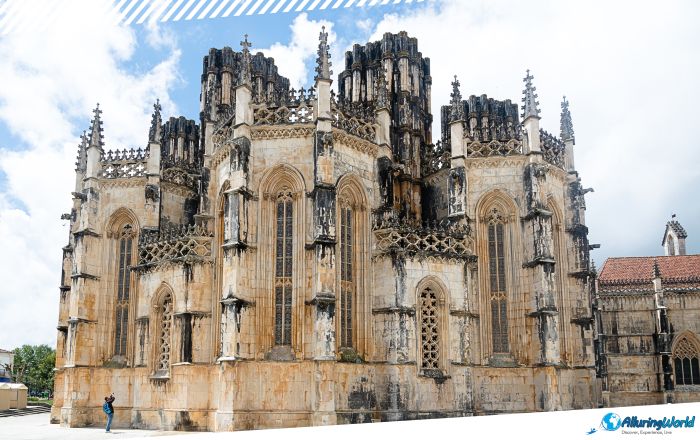
At the east end are located the Unfinished Chapels, with the equestrian statue of the General Nuno Alvares, who was victoious with his King João I in the battle of Aljubarrota. nevetheless, this cultural monument from the Portuguese Republic was designated as a World Heritage Site by UNESCO in 1983, making it one of the most important Gothic sites in Portugal.
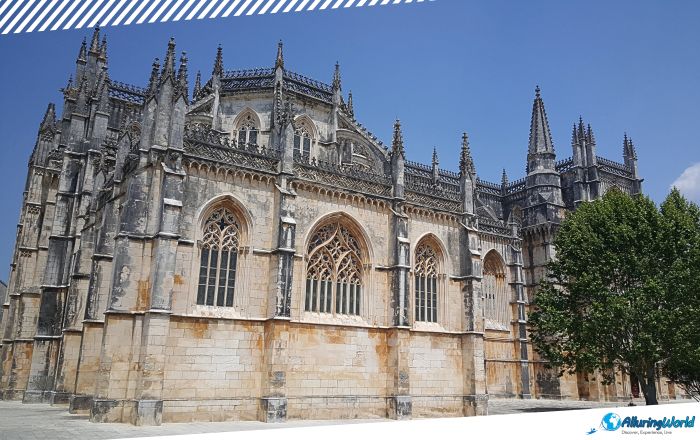
In conclusion, Batalha Monastery is an excellent example of Portuguese independence, and it is the location where each year in August, the Batalha Monastery commemorates the pivotal 1385 Portuguese victory over Spain. With quite extravagant celebrations which are held to mark the victory that secured Portugal’s independence, Batalha Monastery shall remain, perhaps, the most important place of celebration to the Portuguese people. If you decide to visit the Batalha Monastery, then you will be transported through time, and be shown the history of Portugal that is not seen as such in modern media.