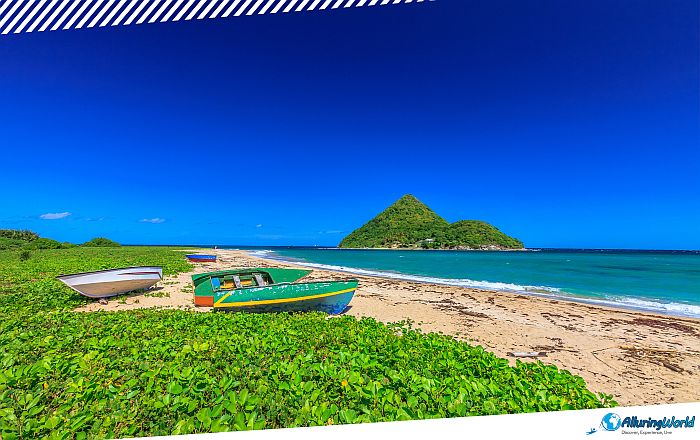
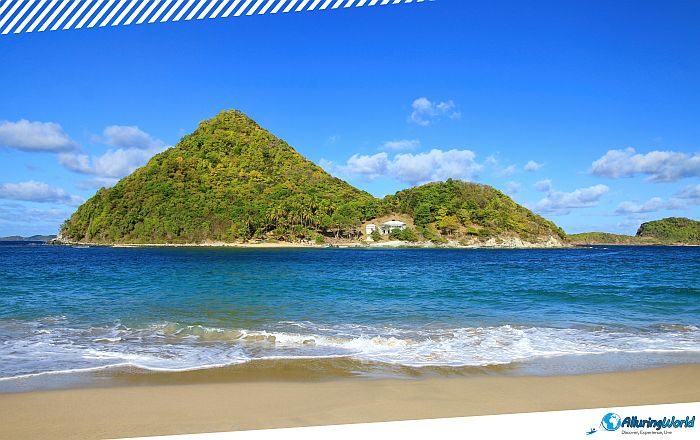
The Sugar Loaf Island is a cone-shaped, small island that is privately owned and located in the vicinity of Levera National Park and Sauteurs, more precisely in the northern part of Saint Patrick Parish, within the northern part of the Caribbean island of Grenada. This small island is considered one of Grenada’s most captivating coastal secrets; tucked away in the vivid part of the Caribbean Sea, this uninhabited islet offers an authentic sanctuary where volcanic geology, turquoise waters, and vibrant marine life meet. Locally known for its unique conical shape that looks like a traditional sugar loaf, the island offers a more private experience compared to the resort-lined beaches on the main island. If you are looking for seclusion and tropical beauty, then this private island will give you a true experience of the “Spice Isle,” as Grenada is usually nicknamed.
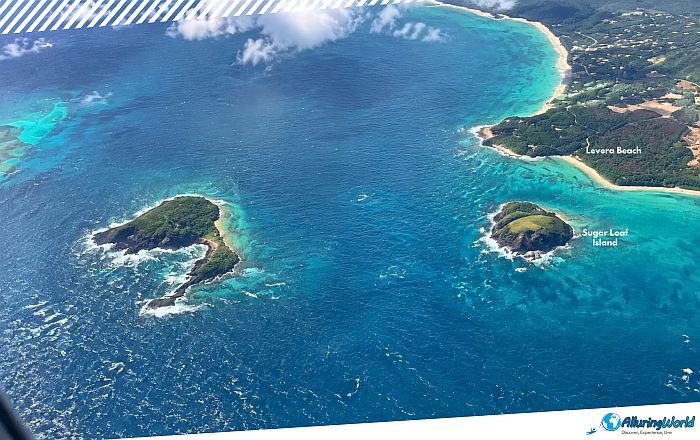
Being one of the famous and heavily photographed islets near Levera Beach and the town of Sauteurs, Sugar Loaf Island rises dramatically out of the Atlantic-Caribbean convergence zone, and it is a protected sanctuary and the definitive destination for coastal explorers. Positioned approximately 2.5 kilometers (1.5 miles) off the coast of Levera Beach and roughly 42 kilometers (26 miles) north of Maurice Bishop International Airport, the island forms a vital link in the chain of small islets, including Green Island and Sandy Island, that scatter across Grenada’s northern waters.
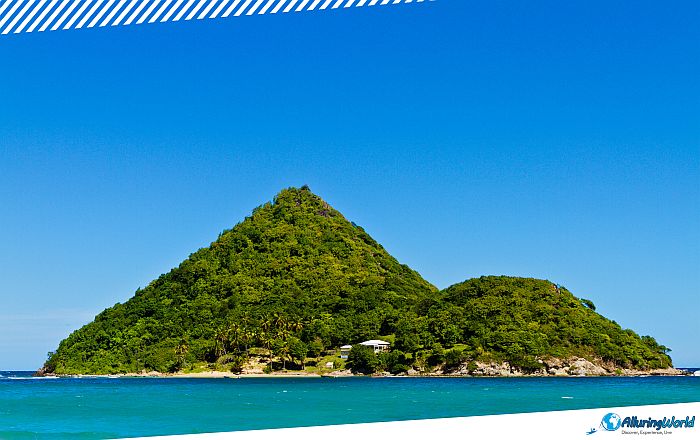
The dramatic shape of Sugar Loaf Island is the product of the harsh volcanic activity that created the Lesser Antilles chain many years ago. As the magma rose due to the collision of the tectonic plates, it created underwater oceanic volcanoes that eventually erupted to form islands. Geologically, Sugar Loaf Island itself is an isolated volcanic plug, and in fact, it is a landform that was created when magma hardens inside a vent on an active volcano, thus leaving behind a dense, erosion-resistant core after the softer surrounding cone wears away.
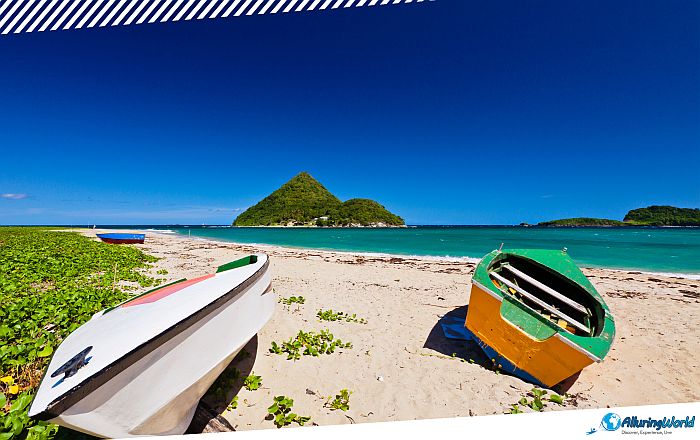
With a height of about 35 meters (115 feet), the island boasts steep and black-colored basalt cliffs that contrast greatly with the sapphire blue Caribbean Sea. The origin of the term “Sugar Loaf” is rooted in maritime history because the early European mapmakers and merchants observed that its rounded, conical shape resembled the hard, molded cones of refined sugar exported during the colonial era. Over hundreds of years, the constant pounding of the oceanic swells and tropical breezes shaped the coastline into the form you are able to see today. The marine surroundings of Sugar Loaf Island flourish due to the dynamic ecological boundary. The island lies exactly where the rough Atlantic Ocean merges with the calmer Caribbean Sea, and this causes nutrient-filled water currents to nurture the marine life in the area. Underwater visibility around the island often exceeds 20 meters (66 feet), and it is a great place if you would like to snorkel or dive.
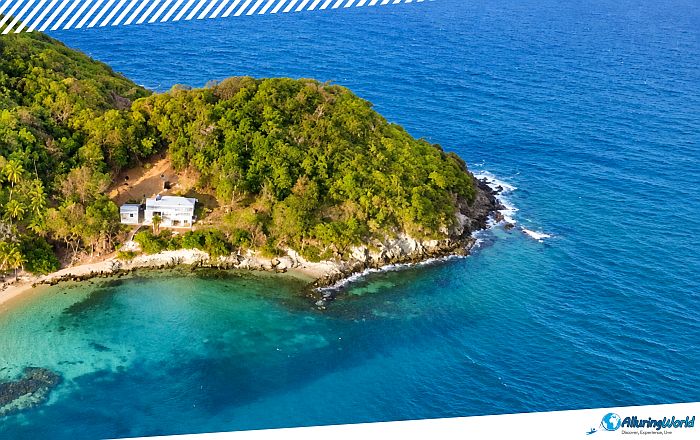
The subaquatic scenery consists of submerged basalt ledges, fissures, and large coral gardens, while the patch reefs around the island include sea fans, brain corals, and colorful sponges. Such formations are an important shelter for many kinds of marine life, among which, if you dive, you can notice:
- Reef Inhabitants: Schools of yellowtail snapper, parrotfish, blue tangs, and damselfish graze along the coral heads.
- Pelagic Visitors: The deeper channels surrounding the island frequently attract larger marine species, and among them are hawksbill sea turtles, spotted eagle rays, and harmless nurse sharks. While you might expect the usual Caribbean marine life, expect to be surprised with more sea creatures.
ADVERTISEMENT
If you consider yourself the outdoor enthusiast who loves adventures, then visiting Sugar Loaf Island will provide you with a thrilling, off-the-beaten-path aquatic adventure. The island has historically been associated with private management and rentals, including local operators such as Rhett Dopwell and Nadia Alli; nevertheless, specific current deed-holding title details are held privately, so it is not clear who really owns the islet. Because the island remains entirely undeveloped, activities center entirely around low-impact nature exploration, and they include:
- Snorkeling and Diving: If you want the calmest waters for snorkeling, then the sheltered lee side of the island offers those. You can glide over shallow rock shelf formations to observe juvenile reef fish and intricate invertebrate life hiding in basalt crevices. If you want to take this further, advanced free-divers and scuba divers often explore the deeper seaward wall, where drop-offs descend past 15 meters (49 feet) into rich blue depths.
- Kayaking and Stand-Up Paddleboarding: Experienced kayakers will often start their journey from either Bathway Beach or Levera Beach depending on weather conditions. The journey across to Sugar Loaf Island requires stamina and sea-reading skills, but the result is simply breathtaking views of the coastline and the sea cliffs of the northern coast.
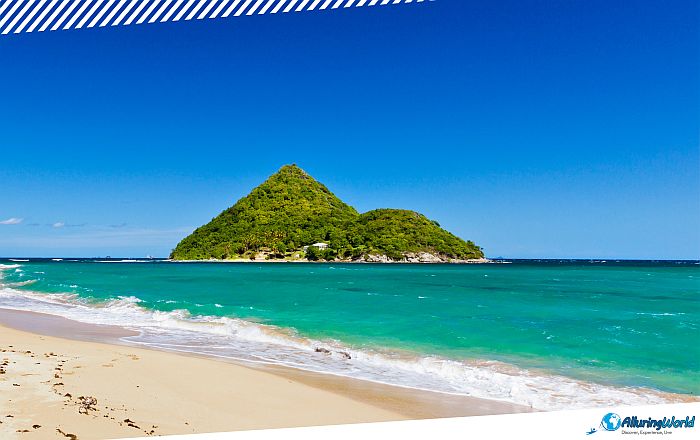
While Sugar Loaf Island is privately owned and landing directly on the shore requires prior permission, visitors are free to explore and enjoy the surrounding waters, reefs, and sea cliffs via local boat tours. There are small tenders which can sometimes drop visitors on narrow gravel beaches during dead low tide, and overall, photographers will find endless inspiration in the dramatic contrast of dark volcanic rock, emerald coastal scrub, and crashing white surf.
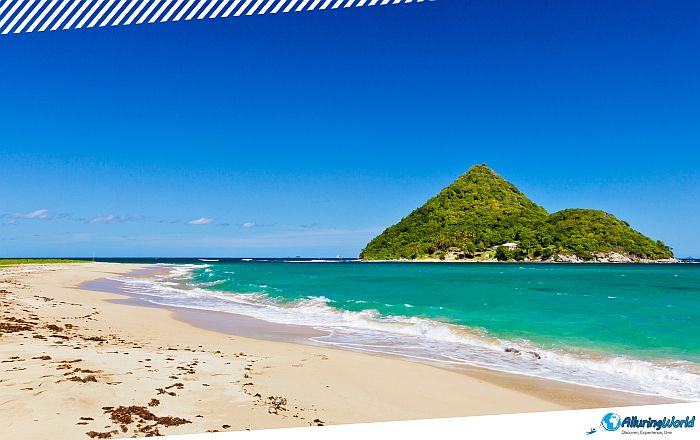
Though the island has a relatively small surface area and is exposed to salty air and trade winds, it still has a sustainable coastal ecosystem. The predominant vegetation on the island is xeric scrub, which is an adaptation to the dry and salty environment. Low-growing sea grapes, frangipani, buttonwood trees, and different types of cactus can be found clinging to the cliffs. The island’s true sanctuary status, however, comes from its avian population. Because it remains free from permanent human settlement and introduced mammalian predators such as rats or mongooses, Sugar Loaf Island serves as a crucial, undisturbed nesting and roosting site for seabirds, such as:
- Magnificent Frigatebirds: Readily recognized by their massive wingspans, these birds soar effortlessly on thermal updrafts above the island’s peak.
- Brown Boobies and Pelicans: Large colonies use the sheer ocean cliffs as safe roosting platforms between hunting trips in the surrounding channels.
- Terns and Tropicbirds: Nesting pairs occupy rocky crevices along the upper cliff bands during breeding seasons.
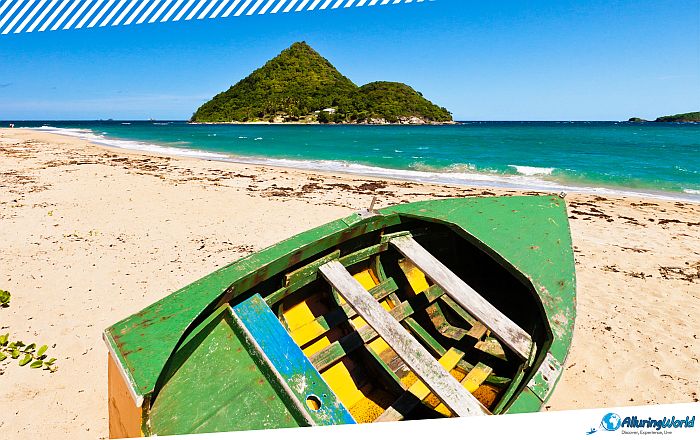
You cannot simply go to Sugar Loaf Island since this requires planning, as there are no scheduled commercial ferry services to the islet. Travel logistics depend entirely on watercraft departures from northern Grenada. The most direct access to Sugar Loaf Island is via local water taxis or chartered fishing vessels, which depart from the town of Sauteurs or the nearby launch sites at Bathway Beach. The boat ride from the mainland across the passage typically takes between 15 and 20 minutes, depending on ocean swells. Many travelers opt to book day-long catamaran sailing excursions, usually out of the southern ports like Port Louis Marina in Saint George’s. These tours sail up the scenic western or eastern coasts of Grenada, therefore combining a visit to Sugar Loaf Island with stops at nearby Sandy Island and the underwater sculpture parks. When you plan your trip to Grenada and consider visiting Sugar Loaf Island, you’ll need to have an understanding of Grenada’s seasonal climate patterns: dry and green seasons.
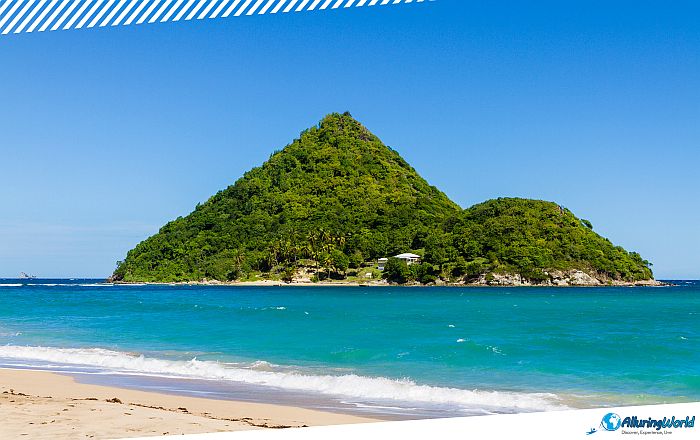
The dry season runs between January and May, and it is considered the prime window for coastal excursions. During this period, the trade winds are consistent, rain is rare, and sea conditions around the northern islets are generally calmest. During this season, the water visibility reaches its peak, which is why it is perfect for snorkeling and diving. The green season, on the other hand, runs between June and December, and it consists of frequent tropical showers, which make the landscape quite lush. Sea conditions can occasionally become rougher due to passing tropical weather systems, so if you have some flexible scheduling, then you’ll be fine with your plans.
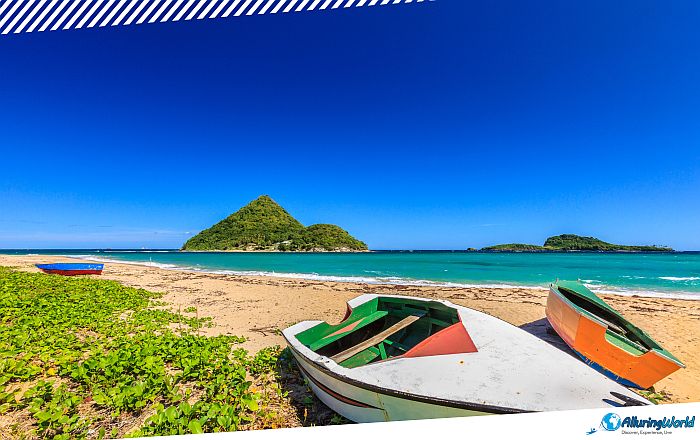
The best time to have water activities would be in the morning from 08:00 to 11:30 o’clock. This period has lighter sea breezes, smaller waves, and the morning sun will provide beautiful light for capturing the eastern sea cliffs. Because Sugar Loaf Island is a pristine, undeveloped natural reserve, visitors must be entirely self-sufficient. There are no facilities, docks, shaded pavilions, or drinking water sources on the island. Before setting out on the water, keep these essential safety practices in mind:
- Bring Essential Supplies: Pack at least 2 liters (0.5 gallons) of fresh drinking water per person, high-SPF reef-safe sunscreen, a wide-brimmed hat, and all necessary snorkeling gear.
- Assess Sea Conditions: Always check the sea conditions because northern ocean passages can experience strong tidal currents. You must follow the advice of experienced local boat captains before attempting to swim or land on the rocks.
- Protect Footwear: To protect your feet, wear sturdy water shoes or marine booties if you plan to step onto the rocky shore, as volcanic basalt and sharp barnacles can easily cause cuts.
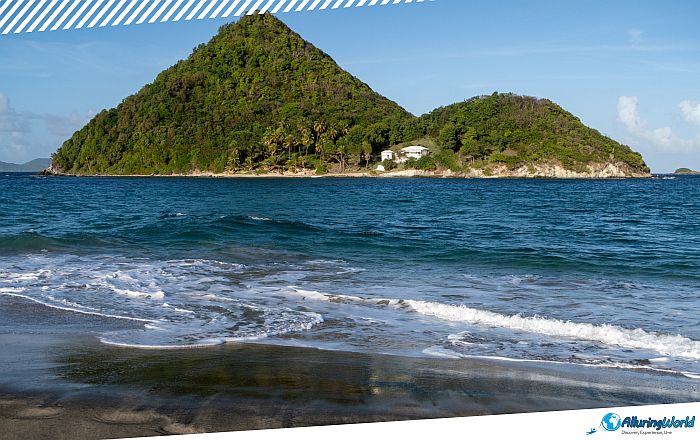
The delicate balance of Sugar Loaf Island’s marine and terrestrial ecosystems relies heavily on responsible, low-impact tourism practices, and it is mainly your responsibility to make sure that you leave the island as you’ve found it. As part of Grenada’s broader initiative to protect its coastal biodiversity, visitors are urged to adhere to strict environmental etiquette:
- Leave No Trace: Carry back all trash, plastics, and personal items to the mainland for proper disposal.
- Respect Nesting Birds: Maintain a safe distance from cliff faces during the seabird nesting season to avoid disturbing adult birds or incubating eggs.
- Practice Reef-Safe Snorkeling: Avoid touching or standing on living coral formations, and use non-toxic, reef-safe sunscreen to prevent chemical damage to the delicate marine habitat.
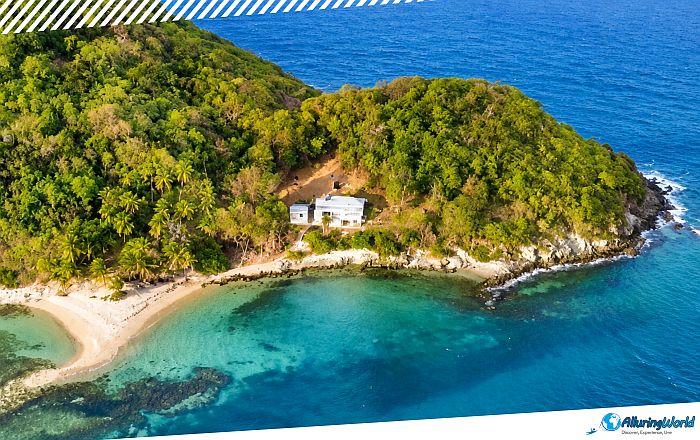
In conclusion, Sugar Loaf Island represents the beauty of nature at its purest and most untouched, which makes Grenada one of the most fascinating places in the Caribbean region. Unlike other Caribbean touristy destinations, this island allows you to witness how nature has been working on the island and has shaped it as a result. Whether you are an avid birder, a fan of snorkeling, or simply someone who loves magnificent coastal scenery, the journey to this northern island will show you the more secluded side of the Isle of Spice.