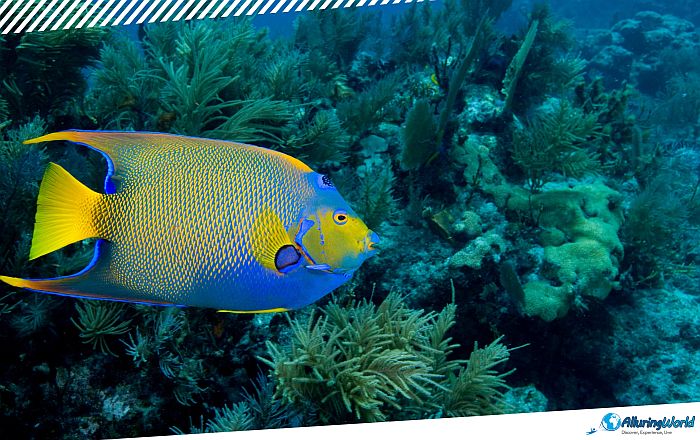
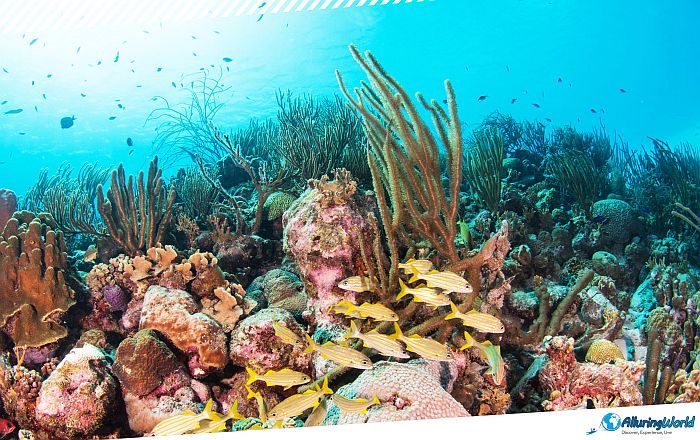
Angelfish Reef is a popular and frequently visited scuba diving and snorkeling site located off the southwestern tip of Norman Island, within the southern tip of the British Overseas Territory in the Caribbean, the British Virgin Islands. Since the British Virgin Islands are renowned around the world for their perfect white sand beaches, lush green hills, and first-class sailing conditions, one of the most fascinating sights they have can be seen entirely underwater. Angelfish Reef is one such location that is considered to be a true Caribbean diving destination. Renowned for its massive coral walls, soft currents, and sheer volume of aquatic life, this amazing underwater wonderland presents an exploration of the Sir Francis Drake Channel below the waves.
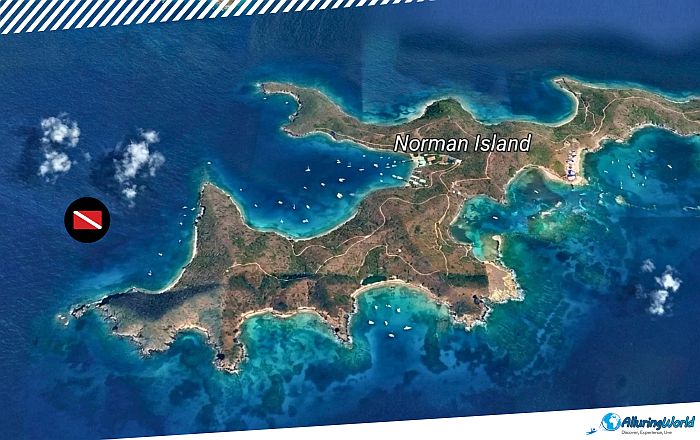
If you are an active scuba diver navigating your way around the archipelago, a tourist who wants to go snorkeling, or a sailor discovering the famed anchorages in the British territory, Angelfish Reef is a wonderful journey into an abundant underwater environment. The dramatic underwater topography is one of the main features that can perfectly describe Angelfish Reef. It consists of a plateau, which starts at a depth of about 9 meters (30 feet) and falls off into the sandy and rocky ocean bottom at around 24 meters (80 feet). The different depths make this place very versatile, as it suits people of any level of diving experience, from shallow-water snorkeling to deep rock exploration.
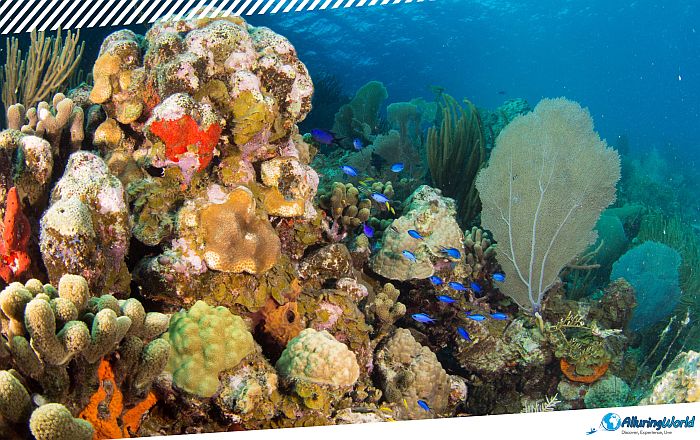
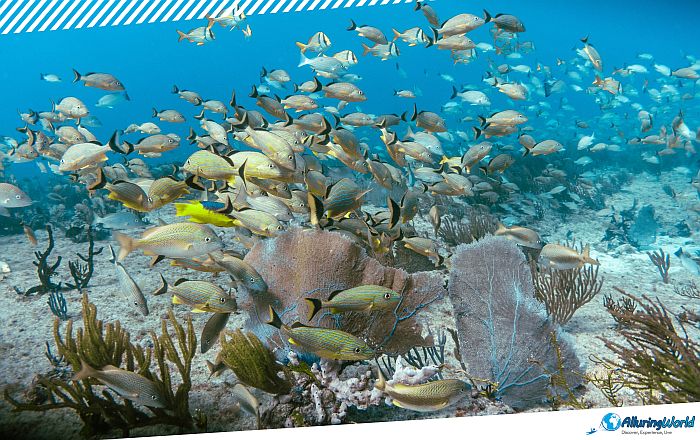
Massive boulder corals, elegant sea fans, and tall pillar corals define the seascape. Centuries-old geological processes within the oceans have created elaborate rock formations in the form of crevasses, ledges, and overhangs on the bottom of the ocean. When light pierces the exceptionally clear Caribbean water, it forms beams that highlight the colors of living corals; thus, you’ll be able to see a variety of shades of yellow, purple, orange, and more.
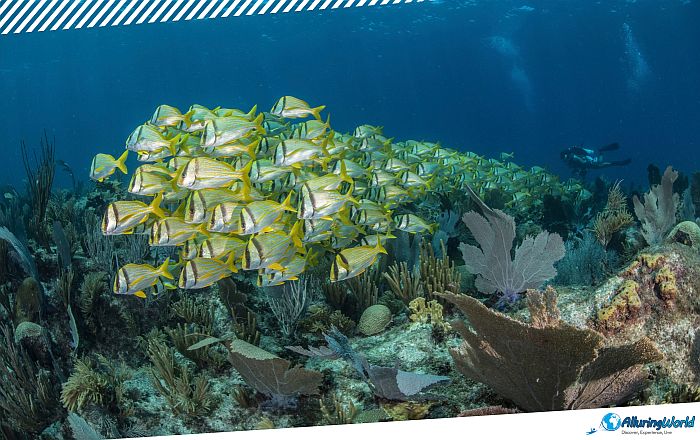
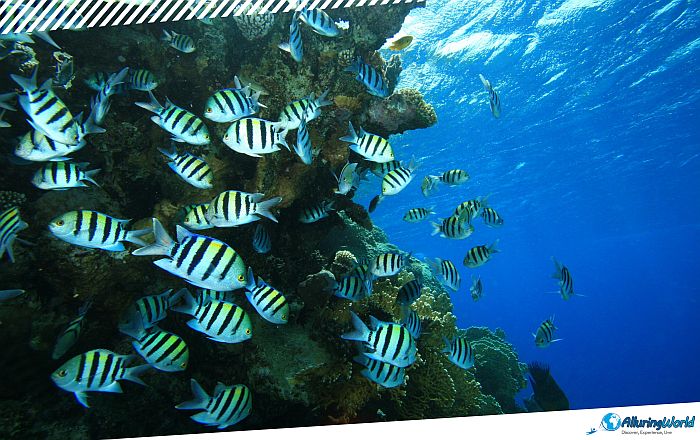
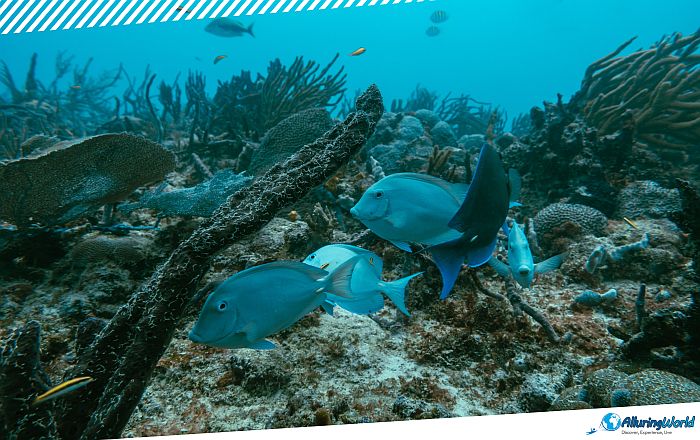
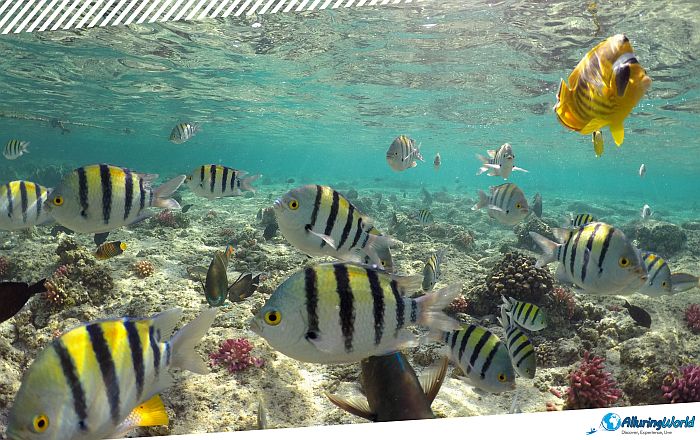
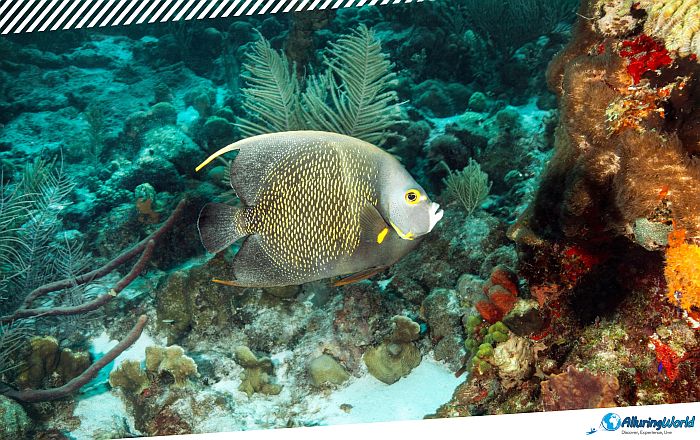
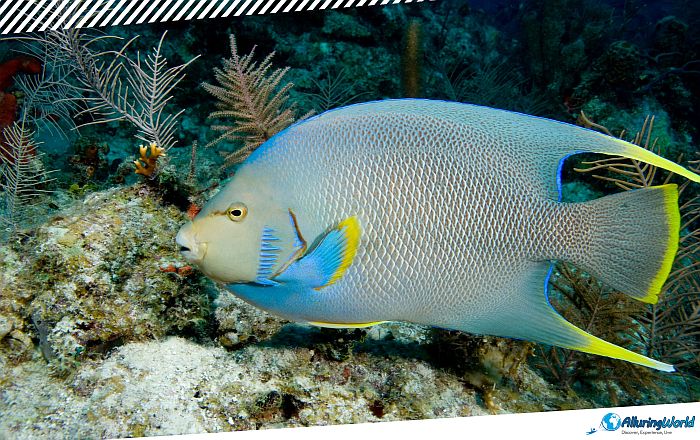
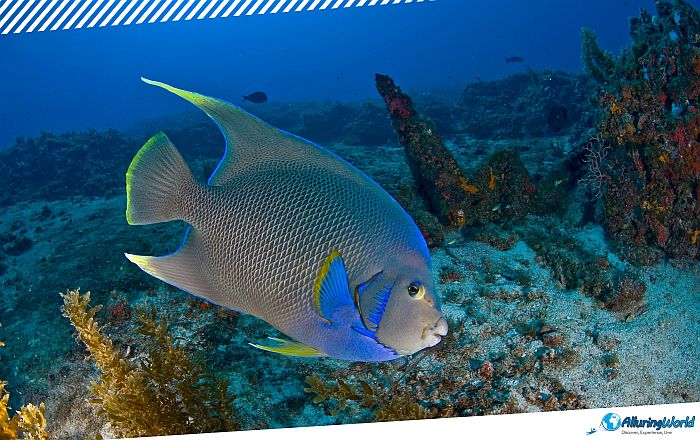
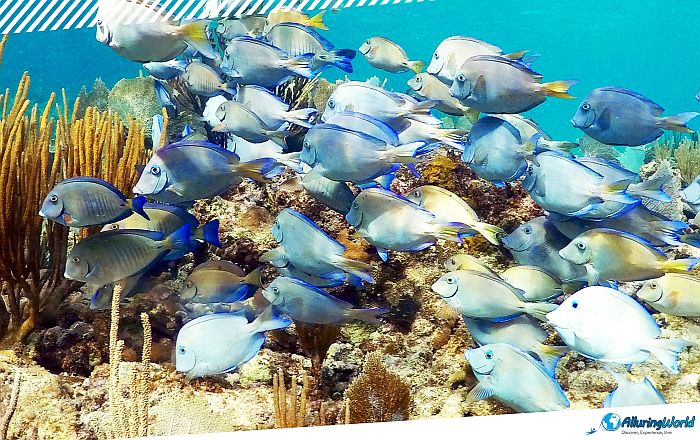
As the name of the reef suggests, Angelfish Reef is an area where a number of angelfish species live. Divers frequently see French angelfish with their dark-colored and glossy skin and yellow spots, bright queen angelfish with their iridescent blue and golden hues, and also smaller grey angelfish, moving around in pairs in the water column. The schools of blue tangs, stoplight parrotfish, creole wrasse, and queen triggerfish swim around the coral reefs, while hiding in the small cracks of rocks, spiny lobsters and arrow crabs can be found.
There are also larger marine creatures that are commonly found in the reef environment. Stingrays and spotted eagle rays can commonly be seen gliding along the sandy bottom of the reef, and hawksbill and green sea turtles can commonly be seen resting on the coral ledges or coming up for air. Around the hard coral formations are large swaths of native seagrass, which is predominantly turtle grass (Thalassia testudinum). The green meadows are vital nurseries for the younger reef species and grazing grounds for the sea turtles.
Angelfish Reef formed over many years from volcanic activity and natural biological growth. Indeed, the islands of the British Virgin Islands represent an island arc that was created thousands of years ago by tectonic subduction. Volcanic rock gave a firm base for the building of the reef, and generations of small coral polyps pulled calcium carbonate from the seawater, forming the present limestone structure.
ADVERTISEMENT
The waterways around Norman Island and the Sir Francis Drake Channel were historically important navigation channels for the indigenous Arawak and Carib maritime people and later on by European traders, navies, and pirates. It is believed that Norman Island was the main source of inspiration for Robert Louis Stevenson’s renowned novel Treasure Island. The 18th-century sailors had to navigate these waters with great care due to the presence of dangerous coral reefs; however, the modern-day coral reefs are regarded as invaluable natural resources.
Angelfish Reef is an offshore destination, and thus water transport is necessary to access it. When you arrive at the British Virgin Islands through Terrence B. Lettsome International Airport on Beef Island, you will notice that this island is linked to the main island of Tortola; however, there are also ferry services that link the island with the neighboring St. Thomas in the US Virgin Islands. Once on Tortola or neighboring islands, getting to the reef is straightforward:
- Guided Dive and Snorkel Charters: Professional operators leave daily from either Road Town or Nanny Cay, offering skilled guidance, excellent equipment, and important safety briefings.
- Sailing and Private Vessels: Being one of the finest sailing centers in the world, the British territory makes provision for private charters to sail straight to Norman Island, where the National Park Trust mooring buoys prevent anchor damage to the marine habitat.
Open water navigation demands caution and awareness of environmental factors and regulations that govern the area. Adequate preparation will guarantee an enjoyable experience when you explore the reef, so you should consider the following important aspects when planning your excursion:
- Equipment and Hydration: Ensure that your mask and fins are sealed properly in shallow waters before going deeper. Remember to carry at least 2 liters (0.5 gallons) of drinking water for each member of your group.
- Environmental Protection: Apply only reef-safe sunscreen that uses minerals as its active ingredients, such as zinc oxide, and have good buoyancy skills to prevent accidental contact with coral.
When you visit Angelfish Reef, you’ll get the opportunity to easily combine it with several other iconic locations situated around Norman Island and the southern cay chain. Just around the corner lie The Caves, a set of shallow sea caves offering exceptional snorkeling among historical hiding spots once used by pirates. Nearby, a dramatic rock formation known as The Indians rises straight out of the ocean near Pelican Island, offering world-class wall diving and swim-throughs. After a day on the water, most boaters head into The Bight at Norman Island, a protected bay ideal for overnight anchoring, featuring beachside dining and famous floating hospitality venues.
Since Angelfish Reef offers excellent diving and snorkeling conditions year-round, you can visit it at any time of the year. This is mainly thanks to consistent tropical sea temperatures that fluctuate comfortably between 26°C and 29°C (79°F to 84°F). The peak season coincides with the dry season in the Caribbean, which takes place from December to April. During these months, there are reliable trade winds, very little rain, and good visibility in the water, usually more than 30 meters (100 feet). In the mornings, tours begin at about 09:00, and there are perfect conditions of calm on the surface of the sea and good overhead light for underwater photography.
The delicate balance of the Angelfish Reef depends largely on proactive environmental stewardship. Like other reef environments around the world, the Caribbean coral is subjected to stress from climate change, warming, and disease. Through responsible eco-tourism, visitors are directly involved in the conservation of this aquatic habitat, preserving it for future generations to enjoy. By using the provided mooring buoys, keeping their distance from the marine life, and ensuring that they leave the reef exactly the way they find it, visitors are helping to conserve Angelfish Reef.
In conclusion, drifting silently among colorful angelfish while they maneuver through massive coral formations gives you a profound and unforgettable sense of connection with the Caribbean Sea. With its diverse maritime legends and flourishing underwater worlds, Angelfish Reef is truly a showcase of the finest that this territory has to offer, and is thus an absolute must-see when visiting the British Virgin Islands.