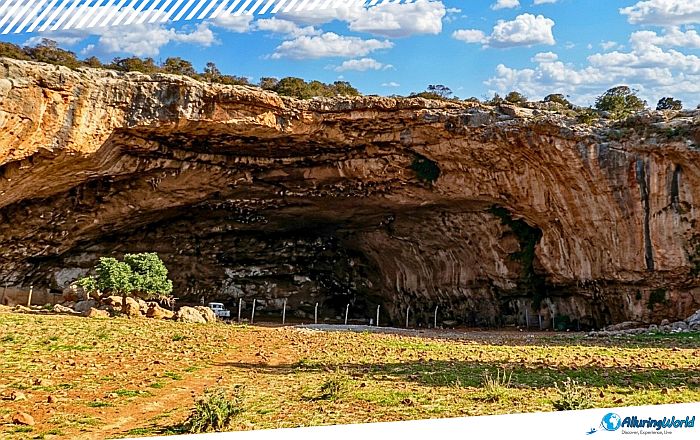
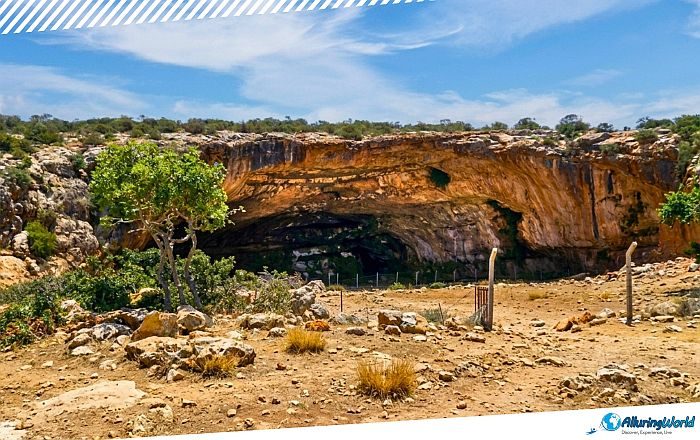
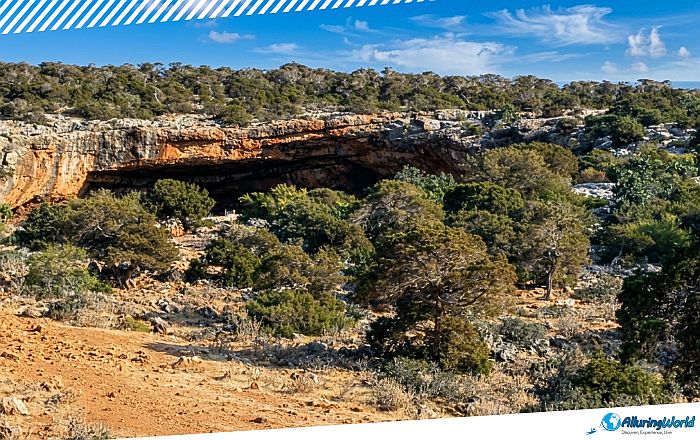
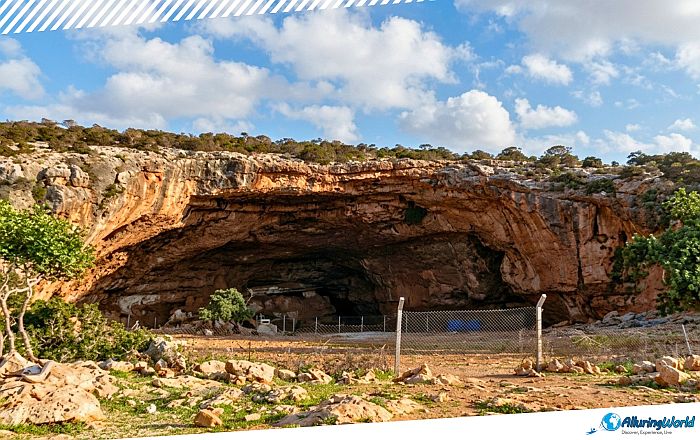
Haua Fteah is an extraordinary archaeological site perched on a limestone cliff overlooking the turquoise expanse of the Mediterranean Sea, located in the lush Jebel Akhdar Region, within the northeastern part of the State of Libya. Known for its exceptionally deep archaeological sequence, the great cavern preserves evidence of human activity dating back more than 150,000 years. While Libya is famous for its Roman and other ancient archaeological heritage at sites such as Leptis Magna and ancient Cyrene, Haua Fteah reaches much further into the prehistoric past than these two, offering evidence from periods that long predate these classical civilizations. The archaeological records found in this place provide important evidence for understanding prehistoric human migration, cultural development, and environmental change in North Africa.
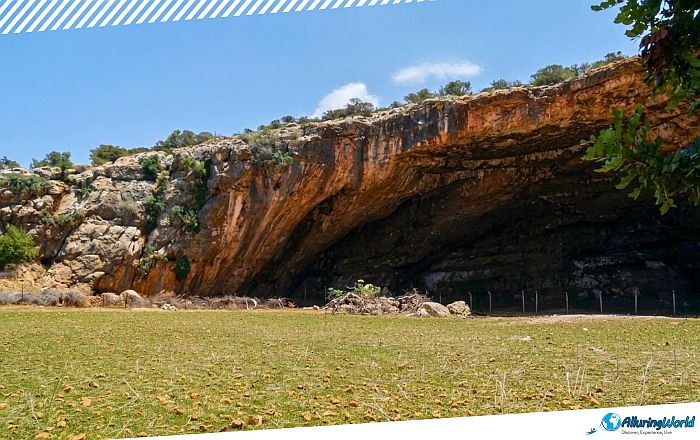
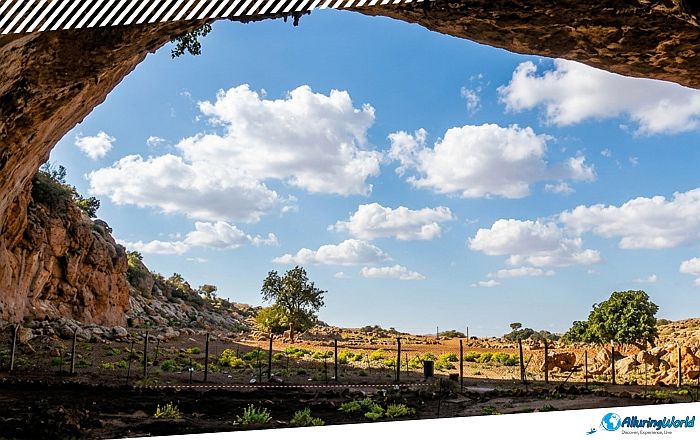
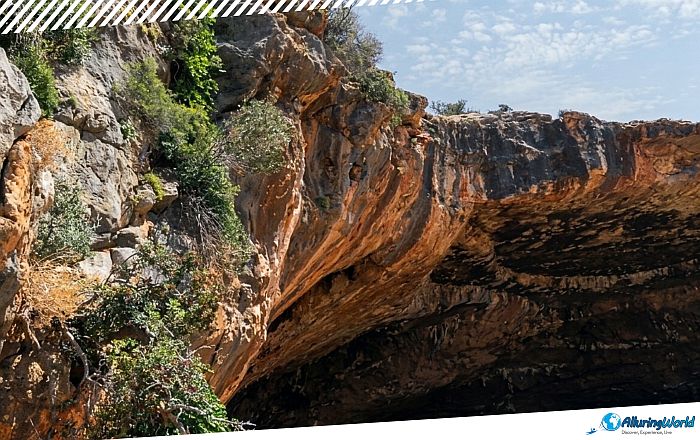
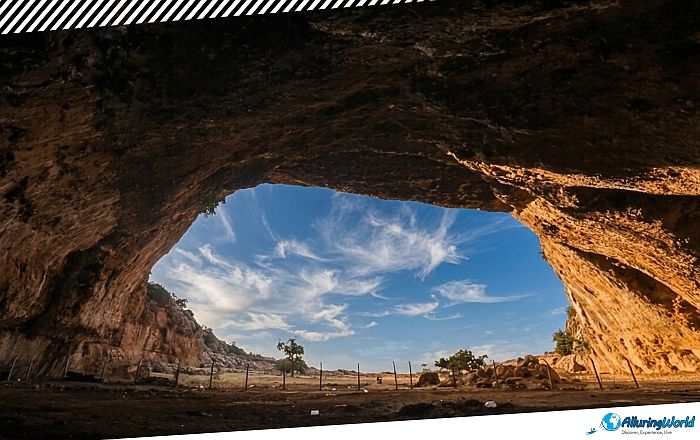
Unlike much of Libya’s arid interior, Jebel Akhdar, meaning “Green Mountain” in Arabic, is a Mediterranean landscape characterized by fertile soils, woodland, limestone hills, and relatively high rainfall. Haua Fteah sits approximately 20 km (12 mi) east of Cyrene and near the coastal town of Susa. The cave entrance spans roughly 80 m (262 ft) wide and arches nearly 20 m (66 ft) high, making it one of the largest natural cave openings in North Africa. Opening dramatically toward the coastline, the cavern provided prehistoric communities with ideal living conditions: security, freshwater, abundant game, and direct access to rich marine resources over many thousands of years.
Haua Fteah’s very existence inspires awe and reverence just by looking at it. Formed within the limestone landscape of Jebel Akhdar, the cave provided a naturally sheltered environment protected from coastal winds and changing weather conditions. To top it all, the cave provides a relatively stable environment throughout the year, which made it a suitable place for prehistoric communities to shelter and settle. Through millennia, layers of windborne dust, rainfall runoff, and manmade garbage have been deposited inside the cave, and archaeologists today have an amazing workload that they have discovered, or continue to do so.
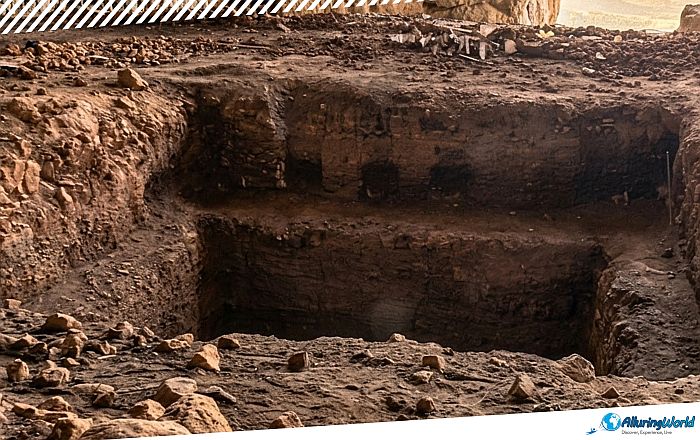
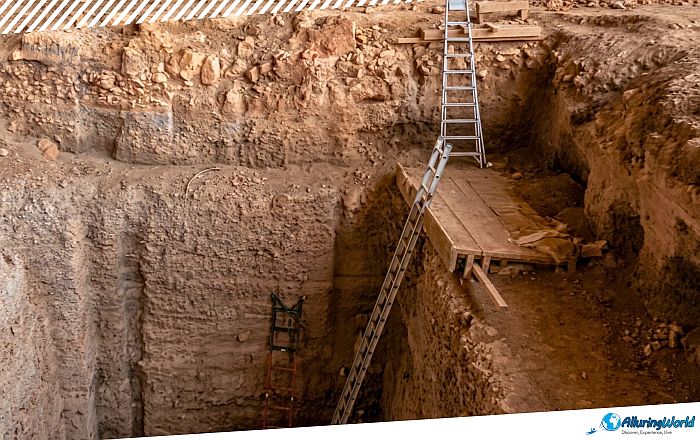
What makes Haua Fteah stand out at an international level is its rich stratigraphy. Systematically excavated in the 1950s by the British archaeologist Charles McBurney, the site set an important baseline for the prehistory of North Africa. Modern excavations carried out in the 21st century by an international team using modern techniques like radiocarbon dating, optically stimulated luminescence (OSL), and environmental reconstructions proved that the site was used by humans through the Middle and Upper Paleolithic periods, the Epipaleolithic, and the Neolithic periods. Because of the exceptional depth and long sequence of its archaeological deposits, Haua Fteah has become an important reference site for understanding prehistoric cultures and human occupation in North Africa.
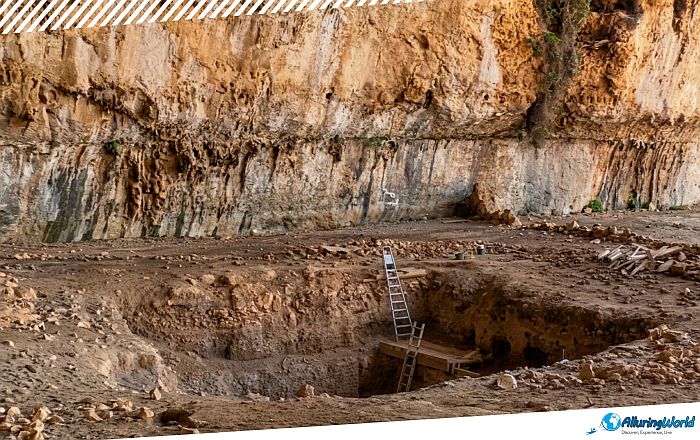
Nevertheless, researchers re-excavated the old McBurney trench and extended investigations below his original Deep Sounding. The 2017 research reports that a new trench was excavated 1.25 m (4 ft) below the basal level of McBurney’s Deep Sounding, specifically to investigate whether earlier cultural material existed. The results produced optical ages of approximately 150,000–153,000 years for the lowest deposits and suggested that humans may have first visited the cave around 150,000 years ago.
The stratigraphy at Haua Fteah clearly shows a sequence of human history through various sediments. The artifacts found at the surface level (0 m – 0 ft) date back to the Classical period. The Neolithic sediments found between 2 and 4 m (6 and 13 ft) are associated with the presence of early agriculture and pottery making. The sediments at the depth of 4 to 6 m (13 to 20 ft) are known as the Epipaleolithic (or Oranian) level and have evidence of specialized microlithic stone tools. At 6 to 10 m (20 to 33 ft), one can find the Upper Paleolithic sediments that have Dabban blade tools. Lastly, the sediments at 10 m (33 ft) below and even deeper have evidence of Homo sapiens and Neanderthals.
ADVERTISEMENT
The lower strata contain significant traces of early human migration paths from sub-Saharan Africa to the Levant and Europe. The fossilized mandibles and specific lithic tools found in the lower strata prove that not only Homo sapiens but also Neanderthal-like individuals made use of this site in different eras. Through studying the changes in blade-making technologies from Mousterian scraper tools to Dabban bladelet technologies, one can track the development and evolution of early humans’ cognitive abilities through changing climates and resources.
Artifacts numbering in the tens of thousands have been found through excavations conducted in the Haua Fteah, reflecting the life of the era during which prehistoric man lived here. The presence of ancient fire pits full of charcoal, butchered bones, shell artifacts, and bone tools provides an even closer look at the life of these early hunter-gatherers. Apart from being a repository of artifacts from humans, the cave also serves as a paleoclimate archive for climatologists. Tiny grains of plant pollen, animal fossils, and shells from the sea, embedded within the layers of sediment, enable climatologists to study the climate history of thousands of years, and they are able to compare it to today’s data to see how the world is moving forward. This has shown that there have been periods of humid and verdant forest, followed by arid periods.
Still, if you would like to visit Haua Fteah, then you will need to make proper plans, as it remains an active archaeological research site rather than a fully developed tourist attraction that you can visit without notice. You should consider the following details:
- Navigating Access: Access to the cave site entails organizing transport from Susa or Al Bayda to reach Haua Fteah. Since the security situation in North Africa keeps changing every month, if not every year, you must first check the latest international travel advice to make sure the area is secure for you to visit it.
- Working with Locals: It is important to hire a local guide who has prior experience working in the Jebel Akhdar area because they can help you with accessing permission, understanding the geography, and cultural expectations.
- Site Etiquette: You must always stay within the set trails and do not touch any of the opened-up trenches or sediment walls. Be aware that this is still an active archaeological site that is still being explored.
The perfect season for you to visit the Green Mountain area is from March to May, as this is the time when it is the spring season, or September to November, which is during the autumn season. In these periods of time, the temperature will be pleasant for you to stroll through the hills of the coast, and the scenery will have plenty of plants that grow in the Mediterranean area. The morning period of the day is recommended for visiting the cave, but depending on your schedule, if you are limited to this period, then any time of the day can be done as well.
Overall, a trip to Haua Fteah integrates easily with the amazing cultural heritage that can be seen throughout the surrounding Jebel Akhdar region, so maybe you can plan your trip together with one of these options:
- Cyrene: This is a UNESCO World Heritage Site that lies only 20 km (12 mi) to the west and was one of the most important cities in the ancient world, with magnificent temples, an amphitheater, and a necropolis.
- Apollonia (Susa): Serving as a port for the city of Cyrene, Apollonia is known for its ancient ruins, Byzantine churches, and submerged buildings from its harbor, which are found just off its shores.
- Jebel Akhdar Valleys: These valleys provide some of the most interesting landscape views through their limestone wadis, hermit caves, and local Libyan villages.
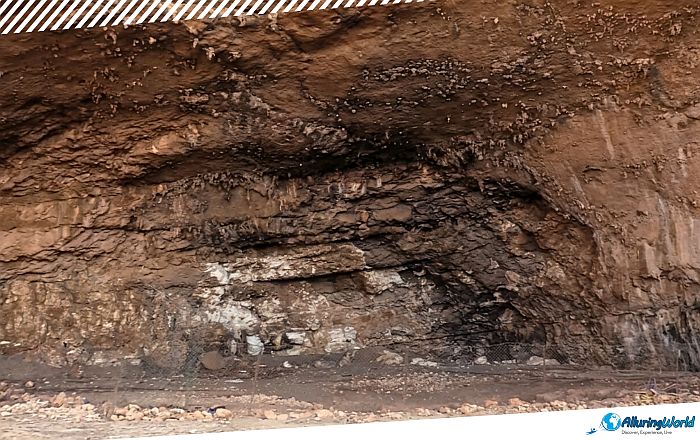
In summary, experiencing that moment inside the large entrance of Haua Fteah by looking beyond the excavated trenches to the horizon of the Mediterranean Sea connects us with our common ancestry. Human history, as represented by the deep strata at our feet, was recorded long before there was any written record, thus making Haua Fteah one of the most important scientific portals of African prehistory.