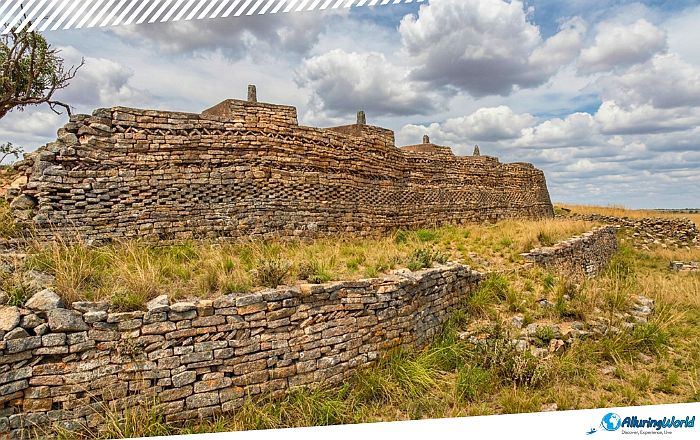
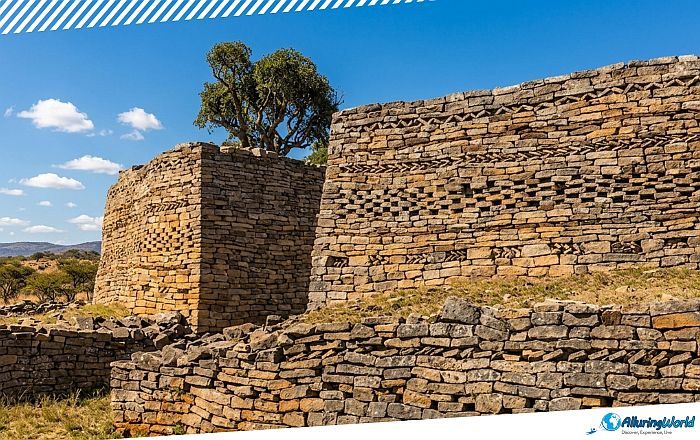
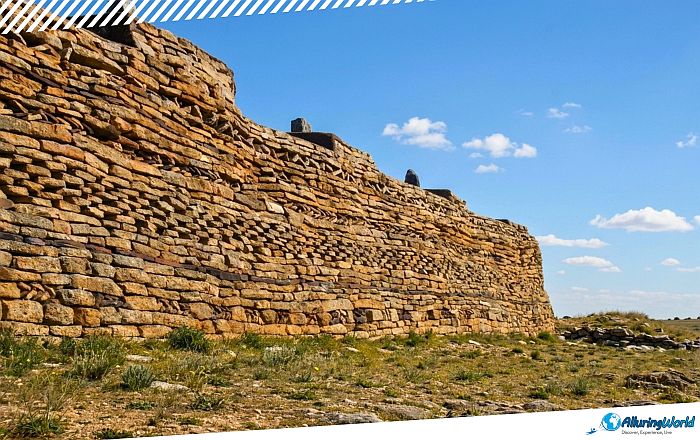
The Naletale Cluster of Dzimbabwes is a group of ancient, mortarless dry-stone walled archaeological sites, located in the Insiza District of Matabeleland South Province, within the south-central part of the Republic of Zimbabwe. Hidden within the open savannahs of Zimbabwe, the Naletales are one of Southern Africa’s most remarkable archaeological treasures, sometimes referred to as the Naletale National Monument. Known for its extraordinary decorative stonework and exceptional craftsmanship, the Naletale Cluster of Dzimbabwes represents one of the finest surviving examples of the dry-stone building tradition that flourished across the Zimbabwe Plateau between the 13th and 17th centuries.
Whereas most people know about Great Zimbabwe, there are architectural characteristics that are uniquely present at Naletale. The complex walls built in this area have beautiful geometric patterns, decorations, and even engineering skills that leave archaeologists and other visitors in awe of this site. This is proof of the great building and artistic skills of the people who once lived here before the colonizers. Visiting the Naletale Cluster of Dzimbabwes provides one with an insight into this history that might otherwise remain buried in oblivion.
The term Zimbabwe is of Shona origin, stemming from the phrase dzimba-dza-mabwe, which means “houses of stone” or “venerated houses of stone.” Over 300 of such stone settlements can be found in modern-day Zimbabwe, along with adjacent areas in Mozambique, Botswana, and South Africa. These stone complexes are collectively known as dzimbabwes. The ancestors of present-day Shona speakers built these monuments from around 1200 AD to 1700 AD, and while Great Zimbabwe is known to be the biggest and most prominent city of its time, Naletale, Khami, and Danangombe (which was formerly called Dhlo-Dhlo) were some of the important centers of politics, economics, and ritual in their own localities.
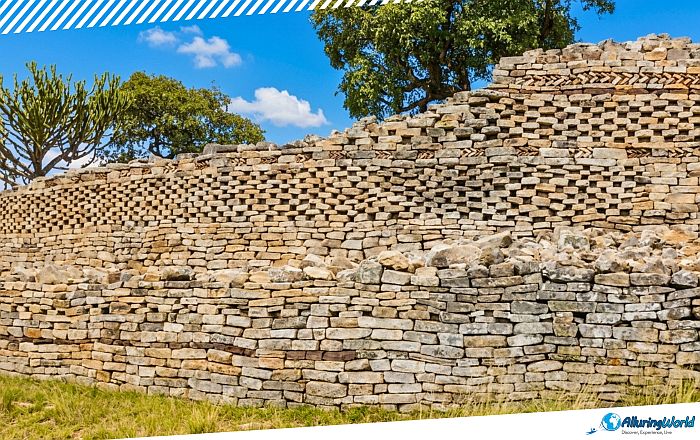
Naletale attained prominence during the latter phases of the Zimbabwe Culture, mainly from the late 16th to the 17th centuries. The fall of Great Zimbabwe resulted in a move of power to the west to the Torwa State and subsequently the Rozvi Empire, which was part of the affluent Kingdom of Butua. This highly influential political entity held vast areas with an abundance of gold and cattle in the western parts of Zimbabwe. Basically, Naletale had trade links that helped connect the African interior to the Swahili coast of the Indian Ocean, and it served as the capital province of the elite class who ruled the agricultural and mining communities. The elaborate nature of the building itself is a testament to the power held by the rulers and their economic success prior to the abandonment of the site. Naletale National Monument is located at the Somabhula Flats region of Matabeleland South province, 90 km (56 mi) east of Bulawayo and 60 km (37 mi) southwest of Gweru.
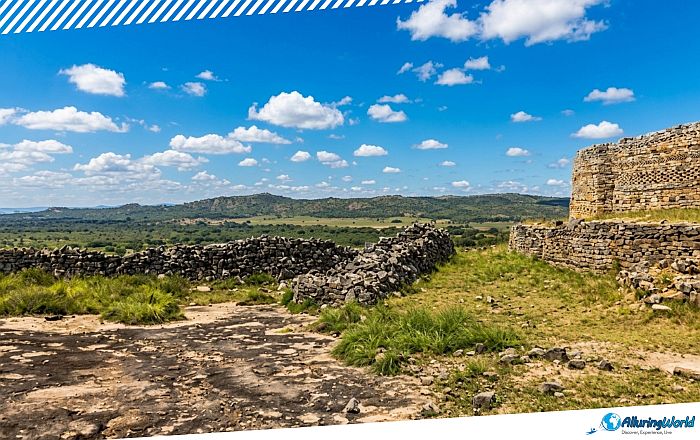
The monument is surrounded by the dry woodlands and granite kopjes which define the central western regions of Zimbabwe. Naletale stands on a prominent hill of granite and enjoys great views of the savannah around it. So, because it has an elevated position, this not only ensured that it had excellent views of the surrounding trading routes, but also ensured that there was a cooling breeze when it became hot in summer afternoons. Presently, if you decide to visit this historical place, you can walk around the ruins and enjoy a similar environment as those who built the ruins enjoyed in centuries past. As in all other major Shona stonemasonry constructions, Naletale was built without using any mortar.
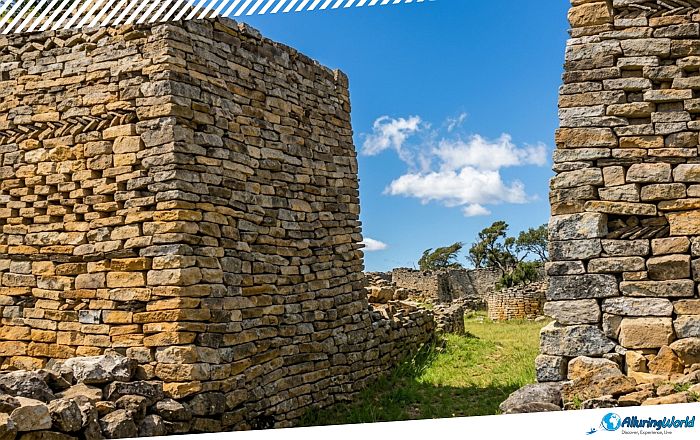
The ancient builders used heat from fire and water to quarry granite stones by splitting them into even slabs. These slabs were then carefully cut and arranged one above the other. Although these buildings have faced centuries of torrential seasonal rains and tremors, huge portions of the walls are still examples of architectural brilliance to this day. This was accomplished through the proper allocation of weight, where massive bases were constructed that narrow towards the top. Because of the lack of mortar, it was ensured that the buildings were able to bend according to the movements of the earth and drain off rainwater, and would survive for the decades and centuries to come.
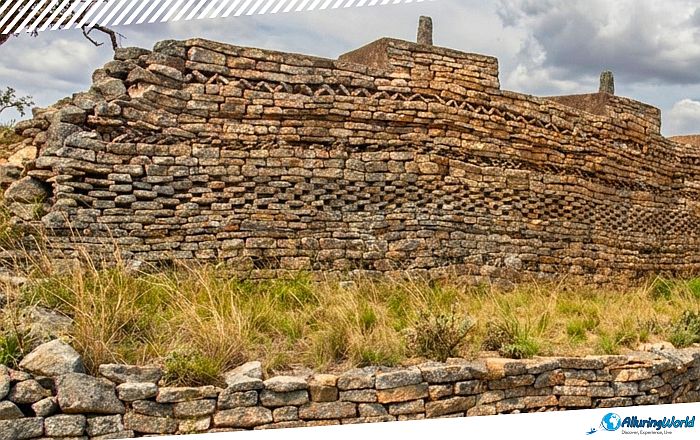
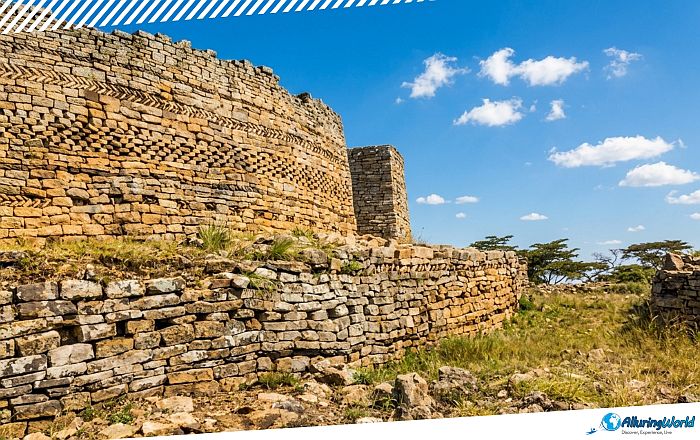
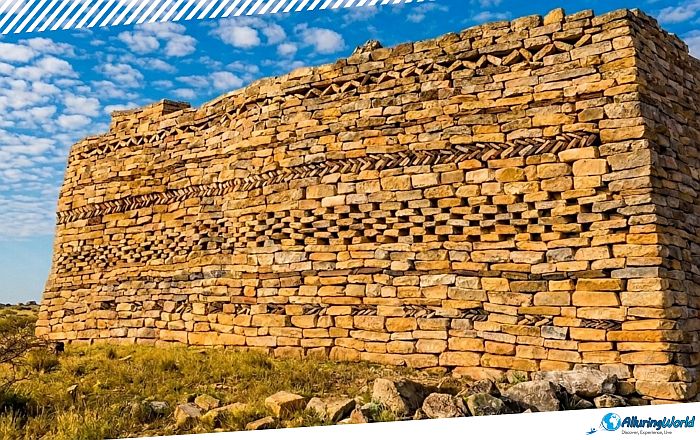
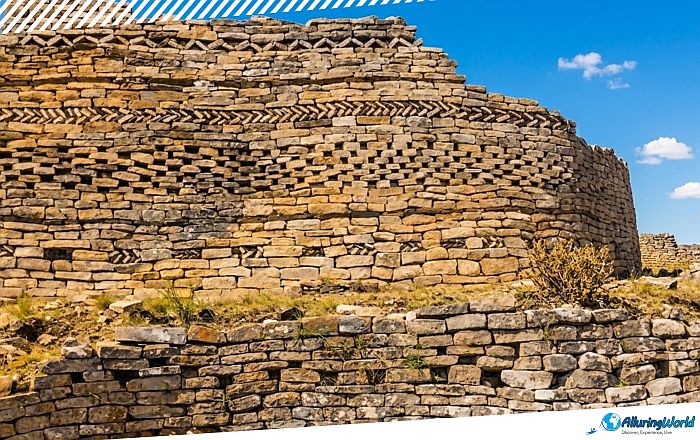
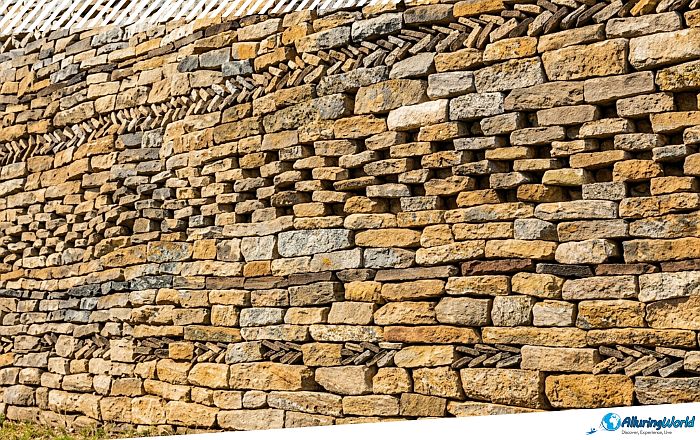
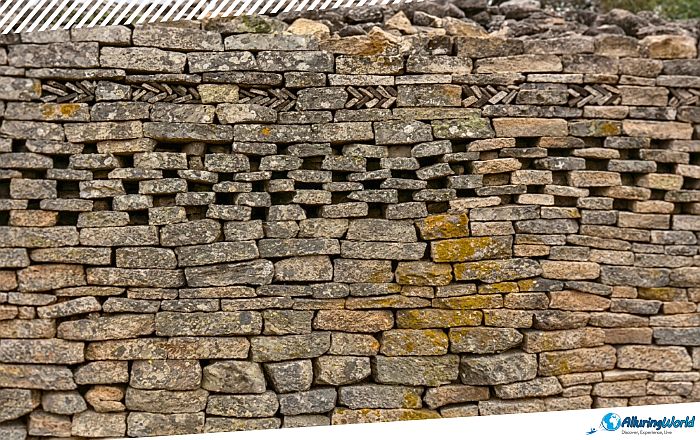
What truly sets Naletale apart from every other dzimbabwe in Southern Africa is its unmatched variety of decorative wall patterns. While sites like Great Zimbabwe feature occasional bands of decoration, Naletale’s main terrace wall contains six distinct geometric designs woven seamlessly into a single facade:
- Chevron Motifs: V-shaped bands that represent fertility, water, and royal ancestry.
- Herringbone Designs: Alternate diagonal blocks that imitate fish bones.
- Checkerboard Arrangements: High-contrast patterns formed through the use of alternate blocks of granite and recesses.
- Corded and Dentelle Patterns: Raised patterns of rope or teeth shapes to border the walls.
- Band Variations: Horizontal rows with dark ironstone bands that contrast with the light-colored granite.
ADVERTISEMENT
These decorative components turned functional walls into complicated art pieces. Many architectural experts regard the primary wall of Naletale as the most complicated decorative masonry in Sub-Saharan Africa before the colonial period. The decorative motifs at Naletale had deeper meaning than aesthetics alone, as they conveyed certain social, political, and spiritual meanings to the people. In Shona cosmology, such architectural symbols had meanings of power, ancestry, and prosperity. Through their visual prominence on the outer walls, these motifs signified the prosperity and divine rights of the resident ruler to visiting emissaries and subjects.
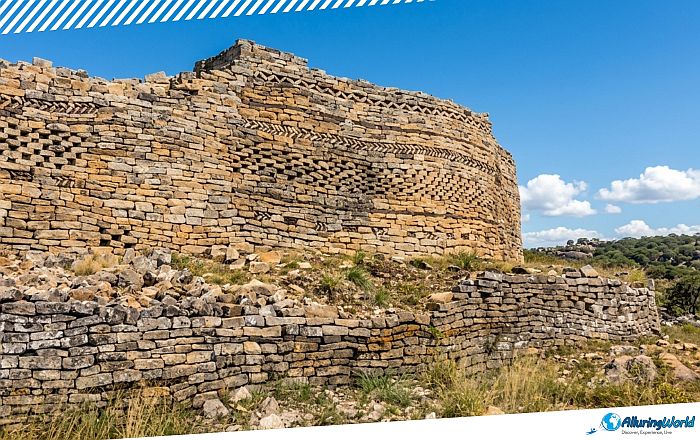
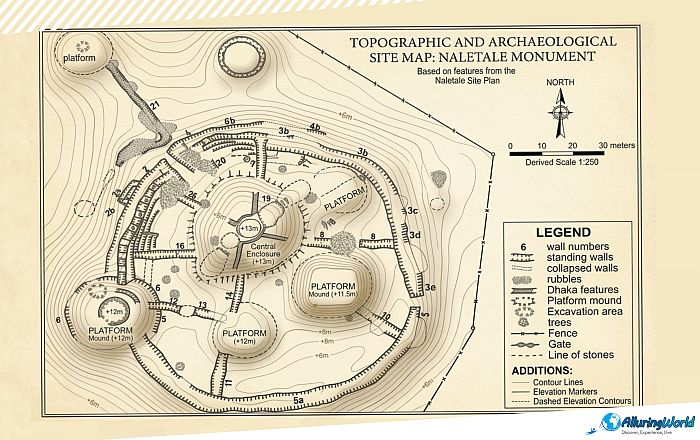
This is emphasized by the architectural structure of Naletale itself, which consists of a Royal Enclosure occupying the highest peak of the hill, surrounded by great walled terraces, thus cutting off its surroundings from the enclosure itself. Entry to this area was strictly regulated via stone gateways. While the elite lived within the elevated stone compounds inside structures made of daka (a traditional clay and soil mixture) beneath thatched roofs, commoners resided in organic structures on the plains below. Although these commoner dwellings have long since eroded, archaeological surveys confirm a thriving suburban settlement surrounding the central monument.
Naletale was an important trading center on international trading routes during its existence as an active place with residents. The archaeological excavations conducted by heritage and archaeology organizations have produced many artifacts reflecting people’s lives and international business:
- Imported Goods: Fragments of Chinese Ming dynasty porcelain, Persian glazed ceramics, glass beads from India, and Portuguese brass items.
- Local Craftsmanship: Elaborately decorated pottery, iron agricultural tools, copper ornaments, and local gold beads.
- Economic Foundations: Large accumulations of cattle bones, highlighting the central role of pastoral wealth alongside gold mining and crop cultivation (sorghum and millet).
These discoveries confirm that Naletale was far from isolated; it was an active participant in an Indian Ocean trade network that moved gold and ivory from the African interior to Asian and European markets.
Naletale today is a National Monument in Zimbabwe that is under the management of the National Museums and Monuments of Zimbabwe (NMMZ). It is facing various challenges for its preservation, such as the fall of stones due to the growth of trees’ roots, livestock entering the site, and erosion, but local heritage authorities work continuously to stabilize the structures so future generations can experience this architectural masterpiece. Preservation efforts involve structural stabilization, vegetation clearance, and monitoring.
Visitors play an important part in ensuring that these endeavors continue. If you are visiting this place, then you are helping with its financial, maintenance, and preservation projects, and this is usually done through the payment of entrance fees and by employing local guides. A few tips to consider before visiting Naletale Cluster of Dzimbabwes:
- Mind the Masonry: Do not climb, lean against, or sit on the dry-stone walls because the slightest disturbance could result in disastrous collapse.
- Stick to Marked Paths: Walk along the designated trails so as not to disturb unexplored layers of archaeology and cause erosion of the wall base.
- Pack It Out: Carry all trash out with you, as there are limited waste disposal facilities at remote heritage sites.
Have in mind that reaching Naletale requires a bit of planning, so this is a destination that is ideal for independent travelers, historians, and off-the-beaten-track adventurers who would like to get a glimpse of something more than the usual and quite popular sites in the country, for example the Victoria Falls. Naletale is best accessed by private vehicle from either Bulawayo or Gweru, so the usual route is to take the main A5 highway connecting the two cities, then turn off near Shangani onto gravel rural roads heading south toward the monument. A high-clearance vehicle is strongly recommended, especially during the wetter months, so that you will not get stuck in the mud and try to find alternatives to get either to Naletale or back to the city.
You can visit the monument year-round, but conditions vary significantly by season, so you should consider the alternatives and the best time that you would like to experience this historic masterpiece:
- Dry Season (May to October): The ideal time for travel. Daytime temperatures are very pleasant, as they range from 18°C to 25°C (64°F to 77°F), vegetation is thin, and dirt access roads remain dry and easily passable.
- Wet Season (November to April): This is the season when the surrounding landscape turns lush and green, but high heat (often exceeding 30°C/86°F) and heavy afternoon downpours can make gravel roads muddy and difficult to navigate.
The best lighting, which is great for photography enthusiasts, is during the early hours of the day and late afternoons since the sun’s position produces strong shadows on the geometric stone designs, so you will be able to capture the real soul of the place.
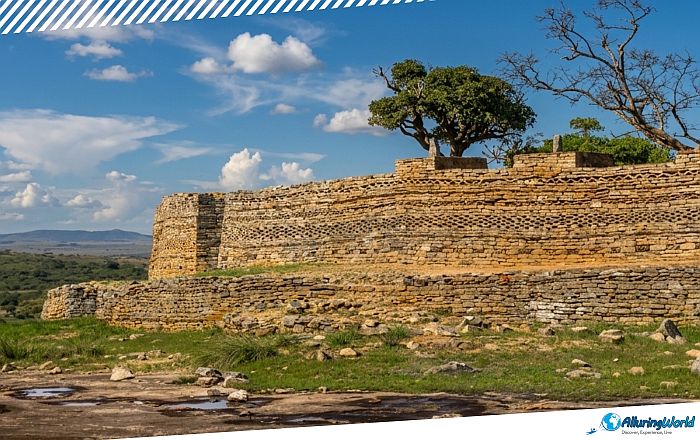
Finally, the Naletale Cluster of Dzimbabwes is a remarkable evidence of the architectural skills, artistic ability, and economic strength of Southern Africa’s pre-colonial empires. The Naletale Cluster’s unique wall decorations give an insight into the high level of sophistication of the Kingdom of Butua. For travelers seeking profound historical depth off the beaten path, a journey to Naletale reveals one of Southern Africa’s greatest hidden treasures.