Amboseli National Park is a national park that is a region of unparalleled biodiversity and unmatched visual beauty located in the Loitoktok District of the Kajiado County, approximately 240 km (150 mi) southeast of the capital Nairobi, within the southern part of the Republic of Kenya. Being one of Kenya’s most beautiful natural landscapes, the park borders Tanzania, and it is famous for its open grasslands, iconic views of Kilimanjaro, and large herds of elephants. It is a sanctuary in which wildlife thrives against the backdrop of Africa’s highest mountain, giving visitors an experience that will last a lifetime. With its history, diverse ecosystems, and conservation value, Amboseli remains one of Africa’s most dynamic and fascinating national parks.
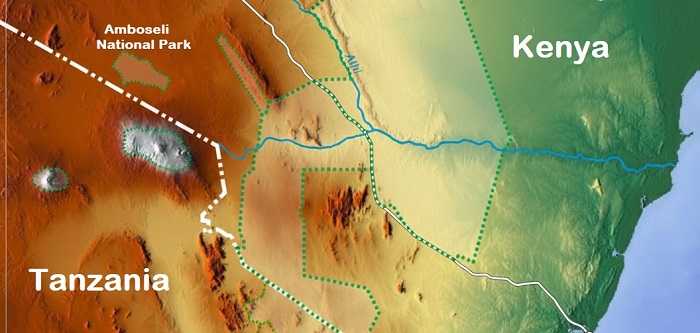
The park itself is 392 km² (151 mi²) in size and part of the larger Amboseli ecosystem, which reaches beyond its official boundaries onto community-owned land and private conservancies. Due to its vicinity of Mount Kilimanjaro, which, although located in Tanzania, looms over the park with its snow-capped peak reaching 5,895 m (19,341 ft), and the park’s location in the region of the Great Rift Valley has made it a key ecological site with diverse environments ranging from wetlands to woodlands of acacia trees as well as huge plains of savannah. Since Amboseli has an early history of a protected site, having been started as a game reserve by the British colonial government in 1906, this old reserve was initially established to protect the vast wild animals from both hunting and people encroachment.
Nevertheless, Amboseli was officially established as a national park in 1974, ensuring more stringent conservation regulations. The park was primarily created due to concerns over habitat destruction, poaching, and wildlife-Maasai clashes, so additionally, in 1991, Amboseli was also established as a UNESCO Biosphere Reserve, further ensuring its importance in global conservation. Today, it is managed by the Kenya Wildlife Service (KWS) in collaboration with local communities, balancing conservation with sustainable tourism and Maasai cultural heritage.
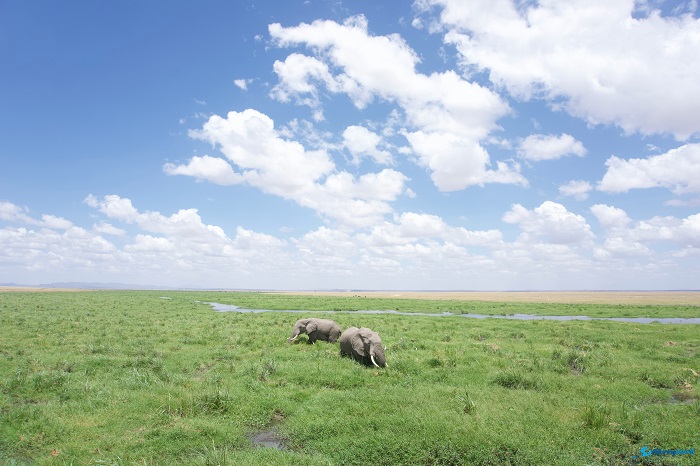
Amboseli’s flora is as diverse as its landscape, shaped by the region’s semi-arid climate and seasonal variations in rainfall, and as mentioned above, the park features vast open grasslands, which dominate much of the area, providing essential grazing grounds for herbivores. Grasslands are dotted with islands of acacia forests, whose leaves offer food as well as cover for grazing livestock.
ADVERTISEMENT
Marshes and swamp seasonal wetlands with underground water from melting Kilimanjaro glaciers serve as essential life oases supporting populations during dry seasons. Furthermore, there are palm varieties like the doum palm, which occurs in moist sections, thorny shrubs, as well as scrub species, which grow in dry regions. It can certainly be said that the park’s vegetation is dynamic in its nature, assuring a consistent dynamic between its inhabitants and environment, supporting an immense range of species that evolved to live within this unique ecosystem.
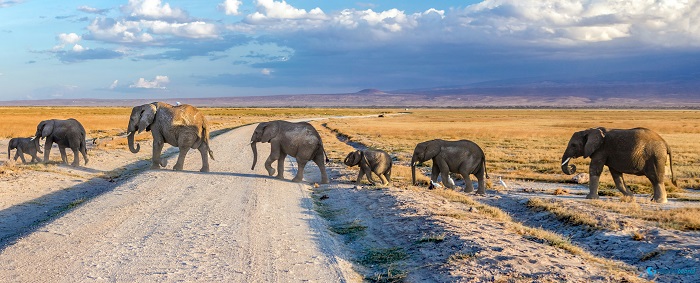
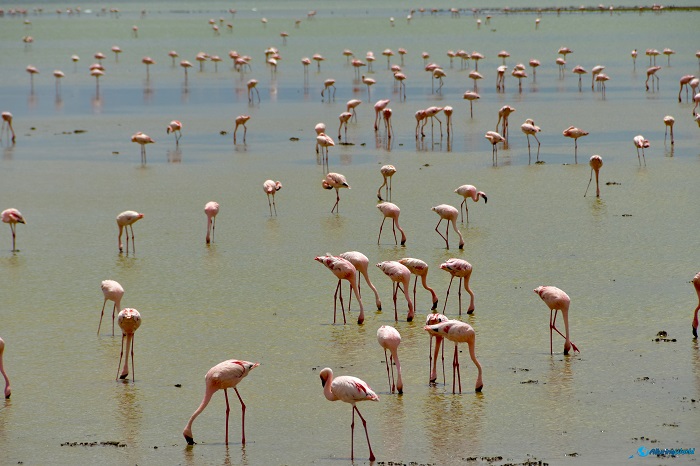
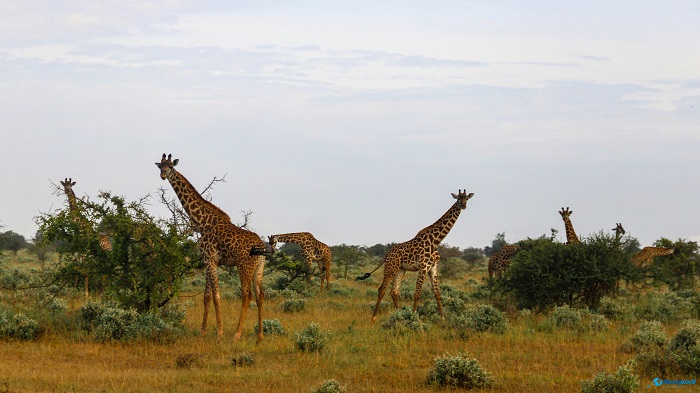
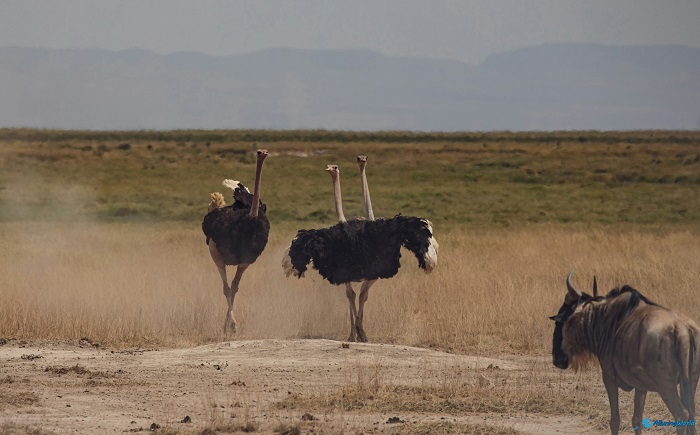
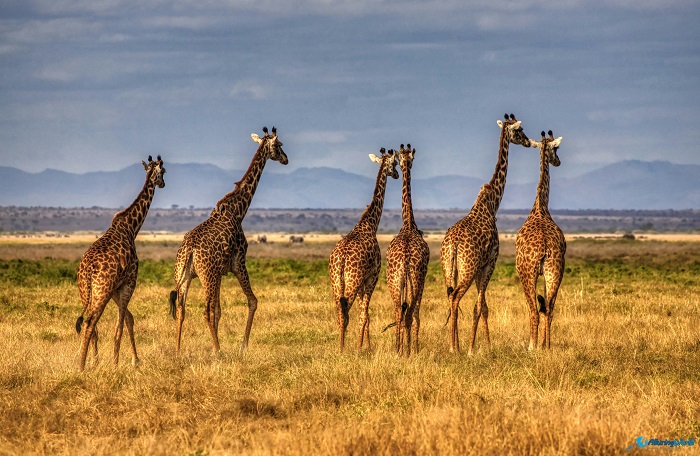
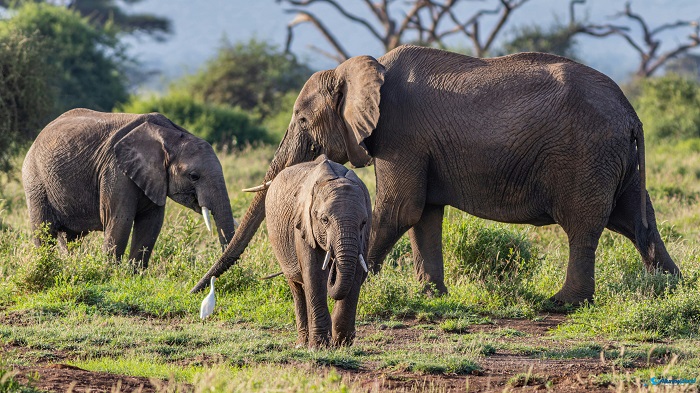
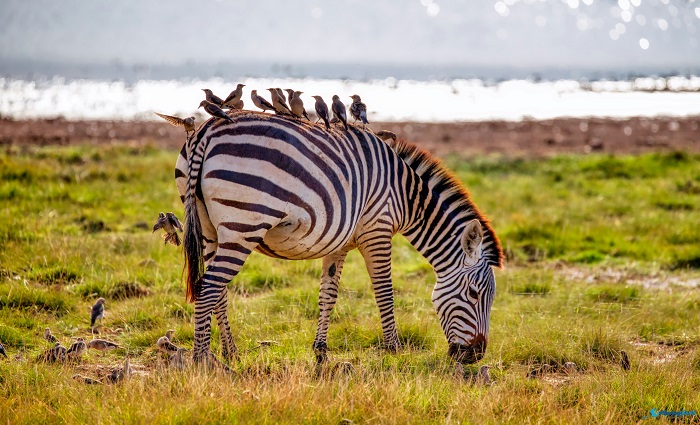
One of the most famous features is the elephants, as the park has a significant population, which is one of the most studied elephant populations in the world, resulting from studies by the Amboseli Elephant Research Project. These elephants, usually observed in elegant movement across the plains and set against the backdrop of Kilimanjaro, have turned Amboseli into one of Africa’s best places to view these magnificent creatures up close. Some of the other mammals in Amboseli are the usual African mammals like lions, cheetahs, leopards, spotted hyenas, giraffes, buffaloes, zebras, and wildebeests. To top it all, the park’s wetlands attract a rich birdlife as well since there are over 400 recorded species, including flamingos, pelicans, herons, secretary birds, and raptors like the martial eagle.
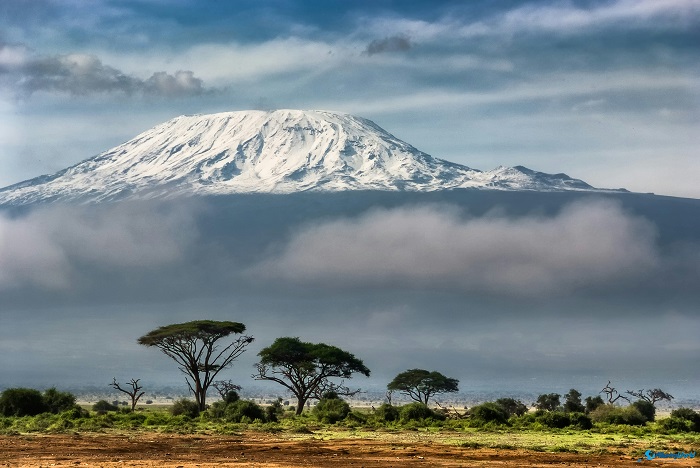
The co-existence of predators and prey in this balanced ecosystem makes Amboseli a wildlife enthusiast’s paradise, and its importance today extends beyond its role as a premier safari destination. It serves as a vital conservation area, protecting wildlife and preserving traditional Maasai lands. Being a significant place for elephant conservation and a sanctuary for one of Africa’s biggest elephant populations, there are numerous scientific research options, particularly in animal behavior, climatic effects, and conservation of habitats, however, tourism in Amboseli also advantages the local people by generating income through eco-tourism activities, cultural tourism, and employment opportunities in lodges, tour agencies, and conservation projects.
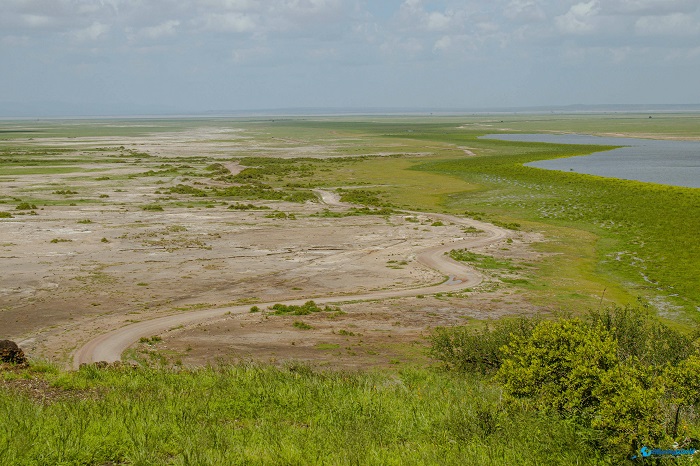
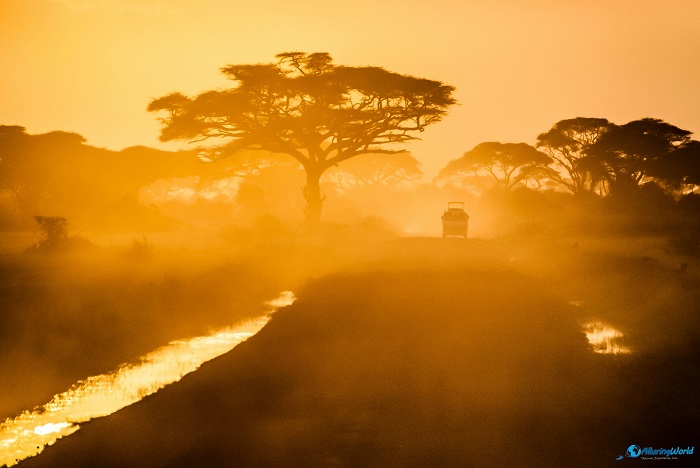
Traveling to Amboseli National Park is a remarkable experience, with many avenues for experiencing its scenery and wildlife. The park can be reached by road from Nairobi, which takes approximately 4-5 hours, or by air on domestic flights to Amboseli airstrip. Game drives are the most favored activity, where visitors get the opportunity to observe animals in their natural environment up close, and the best game drives take place early in the morning and late afternoon when the wildlife will move most during the cooler times of the day. Guided walking safaris are more challenging experiences, while trips to Maasai villages introduce visitors to the culture and lifestyle of the local people, another activity would be hot air balloon safaris which offer a unique perspective of the park, with stunning bird’s-eye views of the expansive areas and its free-ranging animals.
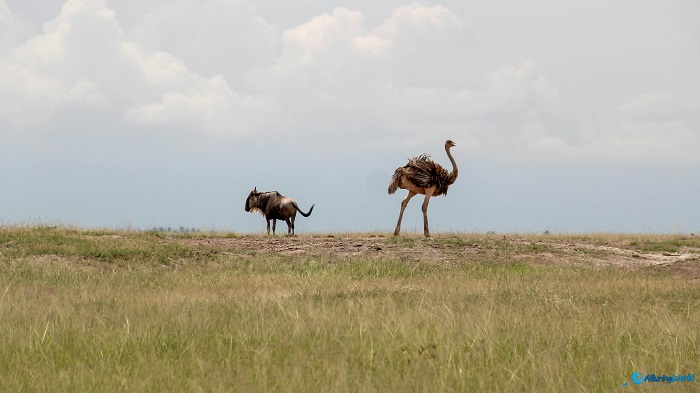
The dry seasons, from June to October and from December to March, are the best periods to visit Amboseli because these are the prime times for wildlife viewing as animals concentrate around water sources, and the flora is not thick, making wildlife easier to observe. The rainy months, April and May, or November, translate to green lushness and few visitors, but roads become hazardous. Rain or shine, however, the year-round splendor and wildlife of Amboseli are still a haven for nature lovers.
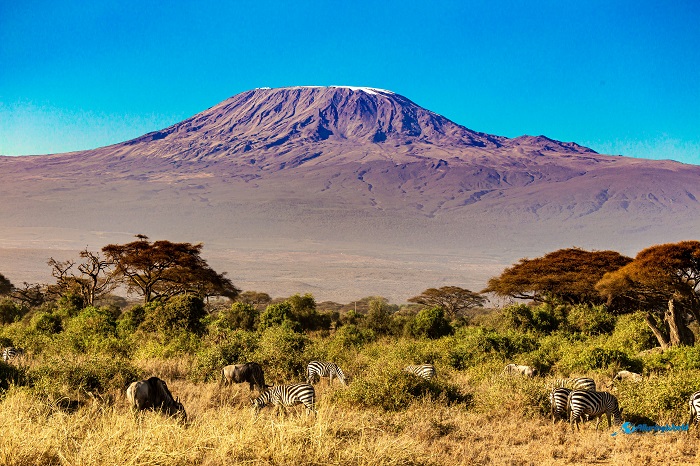
Overall, this Kenyan national park is one such place where the magnificence of nature unfolds in breathtaking ways, and its beautiful landscape, abundant wildlife, and bountiful cultural heritage still fascinate tourists from across the globe. From viewing a herd of elephants against the backdrop of the dawn breaking on Kilimanjaro or experiencing the ancient culture of the Maasai, Amboseli offers an experience that one will never forget and delves deep into the heart of Africa’s wild.