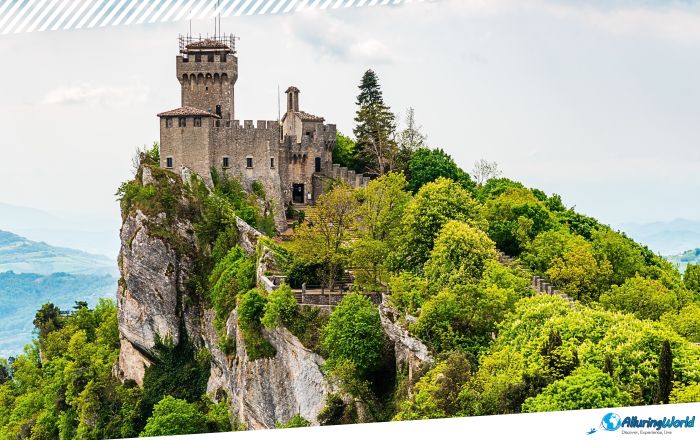
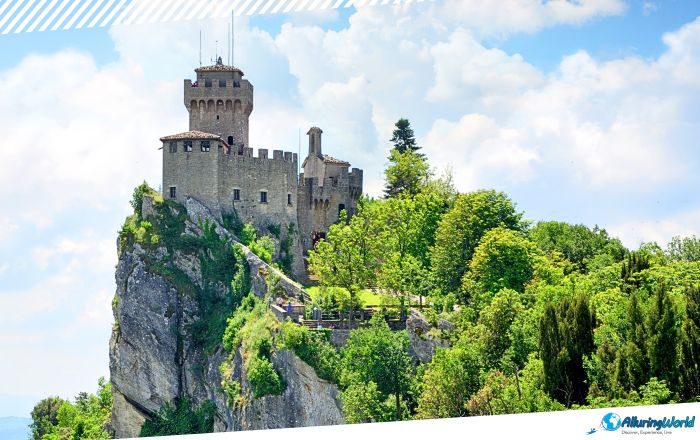
De La Fratta, also known as Cesta, is a tower fortress that is located atop one of the three peaks that overlook the city of San Marino, which is the capital of the Republic of San Marino. De La Fratta is also known as the Second Tower, due to its location in the middle of the Guaita and Montale Towers, and as the other two towers, Cesta Tower is also depicted on the national flag and coat of arms of the tiny republic in the Apennine Peninsula.
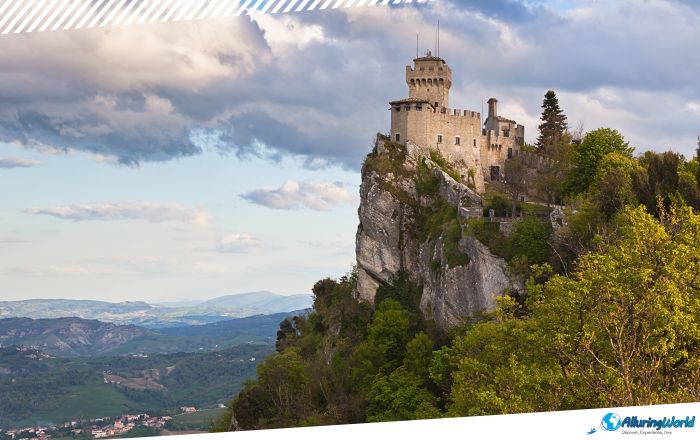
Perched majestically on the highest peak of Monte Titano, the Cesta Tower stands as a formidable symbol of Sammarinese resilience, where its strategic southern position offered a peerless vantage point against invaders. But as the historic De La Fratta Tower has its historical and architectural complexity, this still extends far beyond its defensive walls.
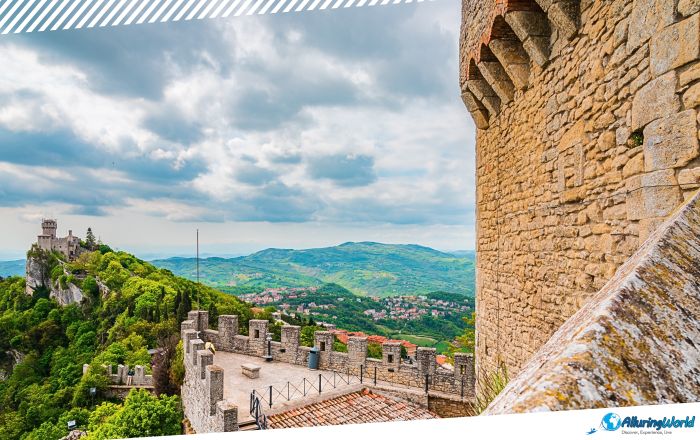
The current stone structure we see dates primarily to the 15th century, although it is considered that it was built upon the remains of an older Roman fort, also referred to as a castellum. Unlike the First Tower, also known as Guaita, which served as a primary residence and prison, the Second Tower was designed with a heavy focus on military surveillance due to its location on the highest peak.
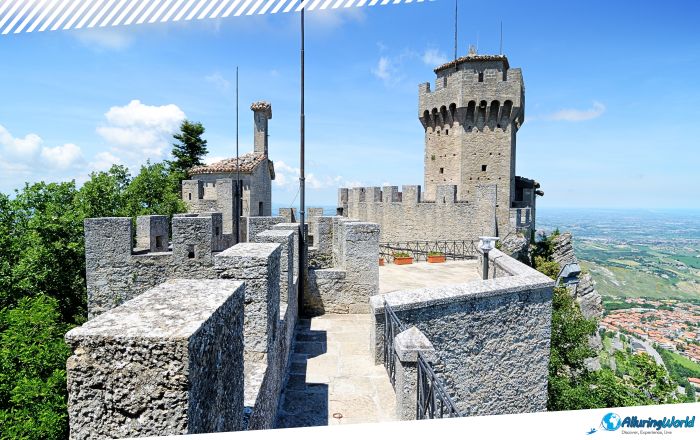
The Cesta Tower is organized in a way that would give the best offensive position to the Sammarinese people, and nowadays we can observe that De La Fratta Tower has a pentagonal plan. What this means is that the tower features a unique pentagonal footprint, unlike the other two towers, and this was specifically designed to deflect projectile fire and provide multiple angles for archers and lookouts.
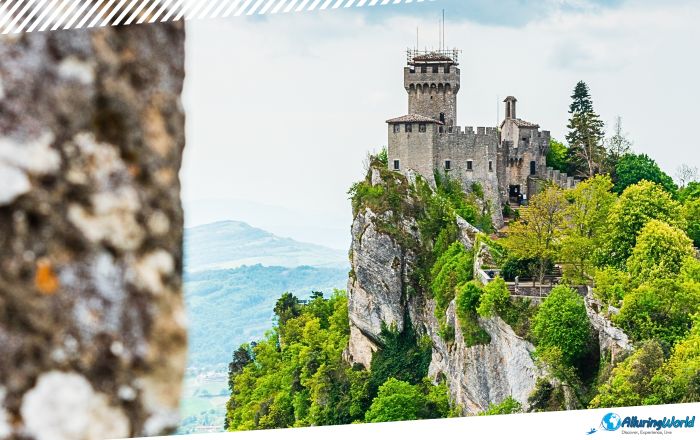
Due to the importance of this majestic structure, Cesta Tower was restored in the 1920s, and its initial appearance, which included battlements and walkways, was brought back to its original shape so that the medieval character of the fortification would be greatly preserved. This restoration also managed to repair the centuries of weathering because the towers were not well taken care of in the past, but with the increased pride of the Sammarinese people, Cesta, along with the rest of the towers, has been brought back to a great shape.
ADVERTISEMENT
Nevertheless, the fortress also contains the Courtyard and some Trails, which can be located beyond the narrow western entrance. The Courtyard connects to the Passo delle Streghe, or as the English translation would be Witch’s Passage, and this quite important scenic stone path links Cesta to the other two towers, thus offering breathtaking views of the Adriatic coast and the Italian Apennines.
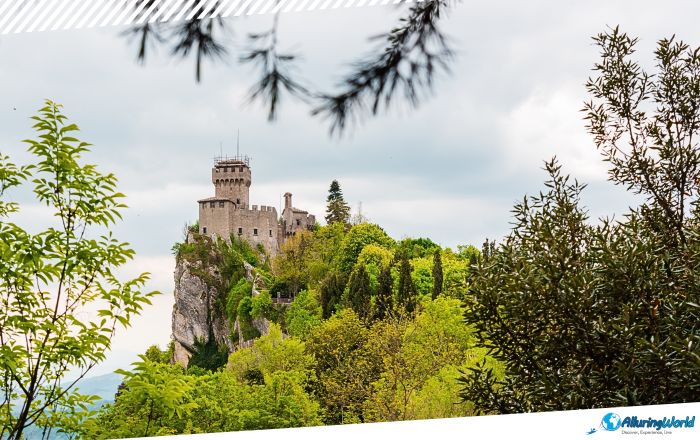
In addition to the entire structure, the De La Fratta, second tower, houses also the Museum of Ancient Arms, which was inaugurated in 1956 in honor of Saint Marinus. This Ancient Arms Museum, housed within the tower, is a world-class repository of military history that does not just “honor” the past of the small republic, but rather chronicles the evolution of European weaponry. The diverse collection housed in the museum has more than 1,550 pieces of weaponry, which are organized chronologically across four main rooms.
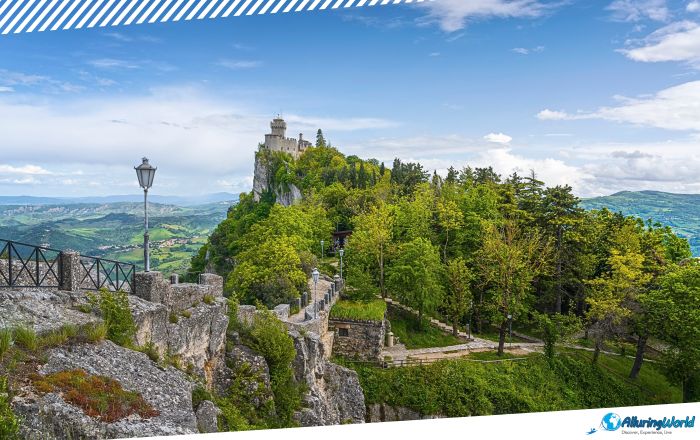
This very important collection includes rare mechanical bows, crossbows, and ornate suits of armor, but most importantly, the role of the museum is also to show the transition of power. Here, visitors can observe the shift from cold steel, a range of weapons from swords to polearms, all the way to modern times and the introduction of firearms. These modern weapons do include the early matchlock muskets and revolving pistols from the 18th and 19th centuries.
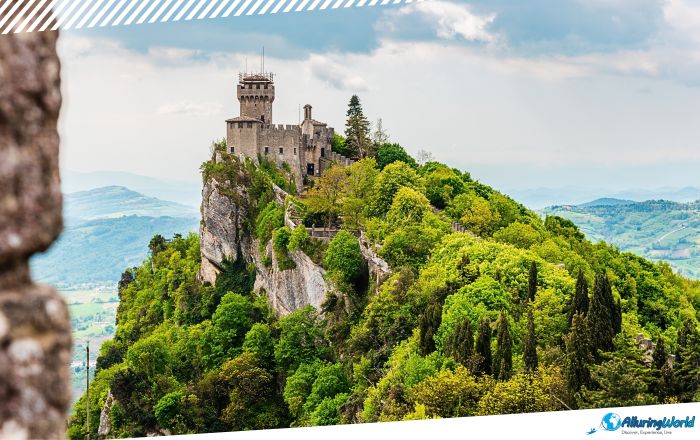
Being part of the UNESCO World Heritage site titled “San Marino Historic Centre and Mount Titano,” listed since 2008, the Second Tower is more than a medieval fortification. This tower is a great testament to San Marino’s status as the world’s oldest surviving republic, and today it represents a “living” history where the tiny nation’s sovereignty was protected not just by stone, but by the strategic ingenuity of its people.
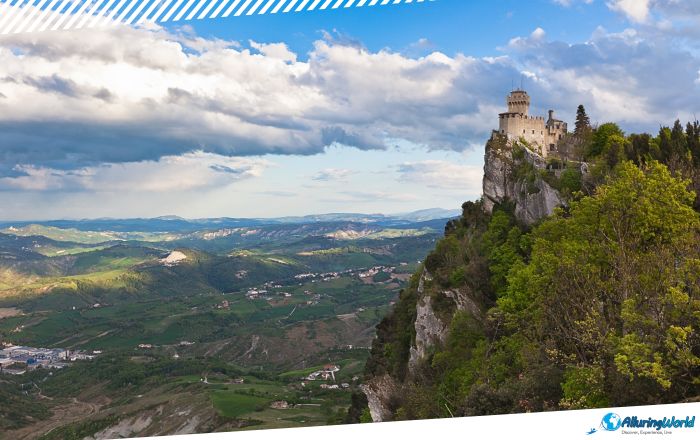
In conclusion, De La Fratta, may have two other names, the Second Tower and Cesta, it is a beacon of history that showcases the longstanding history of San Marino, and since it is open to the general public, you can go inside, see how the Sammrinese people were fighting against invaders who wanted to capture this tiny, but very beautiful country in the Apennine Peninsula. If you are coming to the Republic of San Marino, do not settle for seeing the fortress from afar, but walk around a bit, and feel the surroundings, as you will be transported to medieval times.