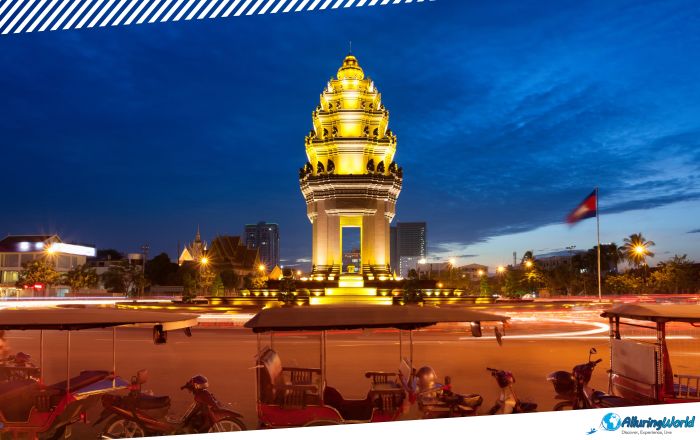
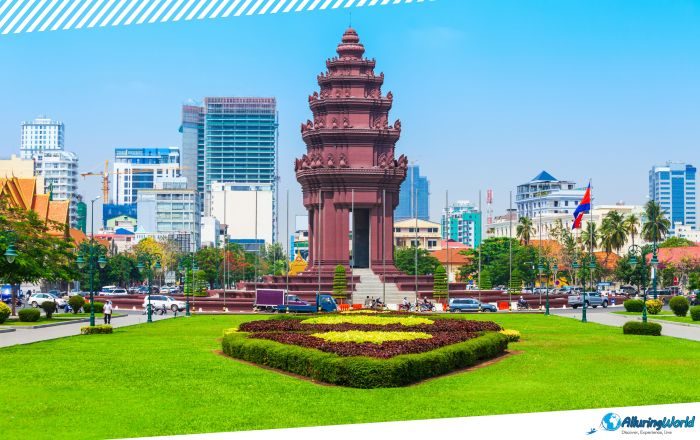
The Independence Monument and Park, locally referred to as Vimean Ekareach, is one of the most iconic landmarks that can be found in the city of Phnom Penh, the capital city of the Kingdom of Cambodia. The park is situated more precisely at the crossroad of the Norodom and Sihanouk Boulevards, with the Independence Monument being the most prominent structure that can be seen here. Since the monument occupies a quite central location in the capital, it is easily accessible for tourists and locals, and it is considered to be one of the most visited sites in the city.
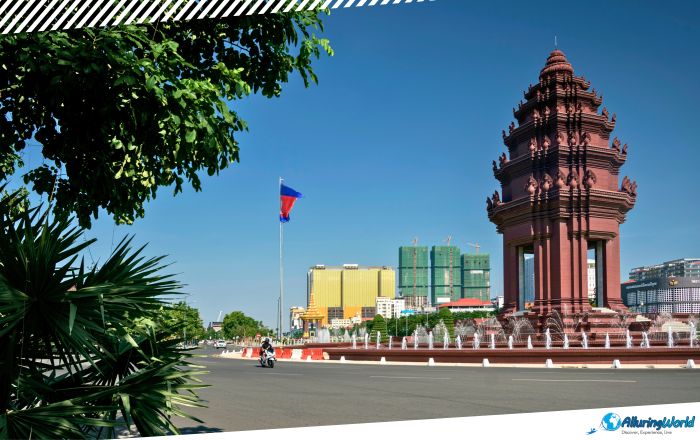
A bustling urban environment surrounds the Independence Monument, while the park provides a green and serene space that contrasts beautifully with the city’s dynamic and sometimes hectic energy. Still, the monument and its surrounding park are not something to be admired only, but they have deep historical and cultural significance to the Cambodian people because they symbolize Cambodia’s struggle for independence and its national identity.
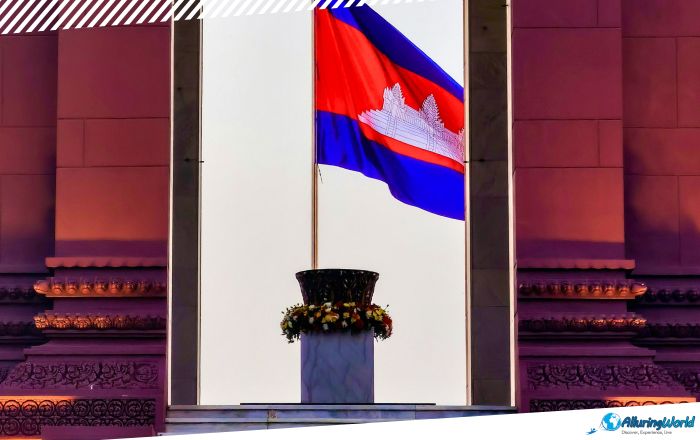
The Independence Monument itself was constructed in 1958, shortly after Cambodia gained independence from French colonial rule in 1953. King Norodom Sihanouk, sometimes referred to as the King Father, commissioned the monument, and the King’s desire was to commemorate the country’s liberation while honoring those who fought for the sovereignty of the nation. The design behind the Independence Monument and Park was to celebrate freedom and national pride, and it became a central point for national celebrations and ceremonies quickly. When it was completed, the monument sparked hope and gave the period some optimism due to the country’s aspirations to establish a unified and independent identity after long decades of foreign rule.
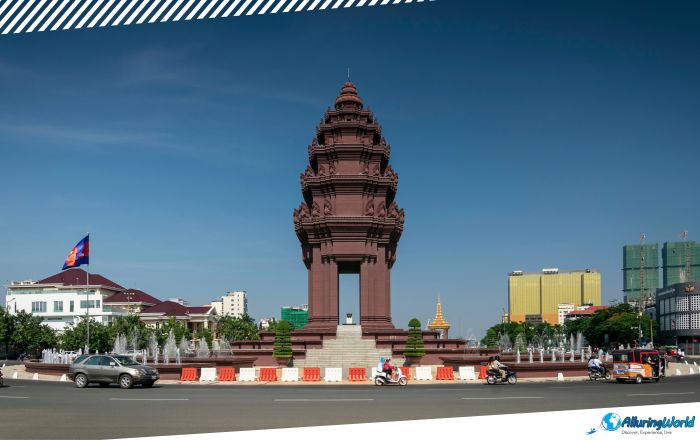
The Independence Monument is constructed primarily from concrete and sandstone, and it was designed to withstand the tropical climate of Cambodia. The design has an amazing, timeless architectural style that is reminiscent of the former Khmer Empire that once ruled these lands. Standing at approximately 20 m (66 ft) in height, the Independence Monument is shaped in the form of a lotus flower, as it should be, considering that Theravada Buddhism is the main religion in the country. The lotus flower is a recurring symbol in Khmer culture and Buddhism, so the inspiration behind the constructions is to symbolize the nation’s spiritual awakening, purity, and cultural rebirth.
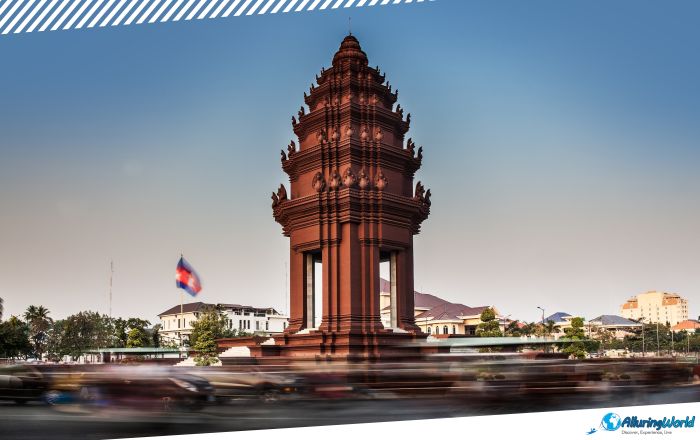
When properly seen, the tiered structure is said to resemble the traditional Khmer temple architecture, something that is seen in Angkor Wat, the world’s largest and among the oldest religious monuments in the world, built in the 12th century by King Suryavarman II. While the size is symbolic of the previously mentioned temple, the visible intricate carvings and geometric patterns reflect the cultural artistry and national symbolism, thus blending the confirmed influences from history with the modern construction techniques that were used in the mid-20th century.
ADVERTISEMENT
The exterior of the Independence Monument is characterized by its elegant lines, pointed spires, and symmetrical design. All of these blend together to create a sense of balance and harmony, and each tier represents stages of spiritual and national ascent, further evoking a sense of reverence and solemnity. The white tones that can be seen on the ground, together with the beige tones of the concrete and sandstone, stand out against the lush greenery of the surrounding park. As there are no major development areas around Independence Monument Park like skyscrapers or shiny buildings, it allows the monument to dominate the urban skyline when viewed from surrounding streets. The quite careful integration of landscaping, as this includes also manicured gardens, fountains, and pathways, makes the monument appear as aesthetically cohesive in an amazing environment.
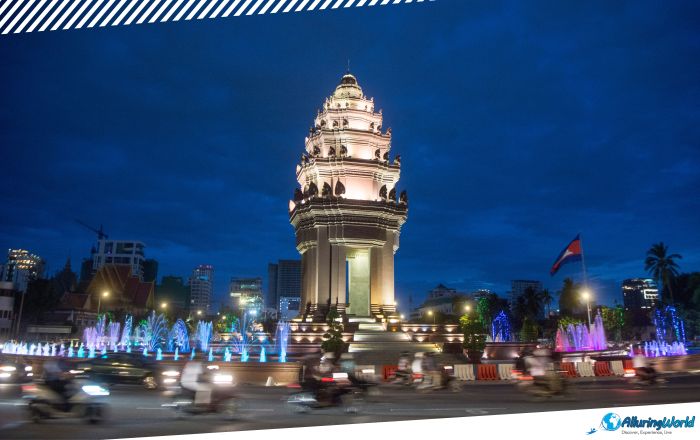
Inside and around the monument, visitors can explore the park’s pathways, which are designed for leisure walks, reflection, and photography. While the interior of the Independence Monument is generally not open to the general public, the exterior, though, is open, and people can walk around the main symbol of Phnom Penh in Cambodia’s capital. When there are national holidays, particularly Independence Day on 9 November, when ceremonies, flag-raising events, and cultural performances take place, the Independence Monument is the main focal point of these celebrations. This annual celebration reinforces the monument’s role as a living symbol of Cambodia’s national pride and inspires Cambodians to cherish this amazing structure more.
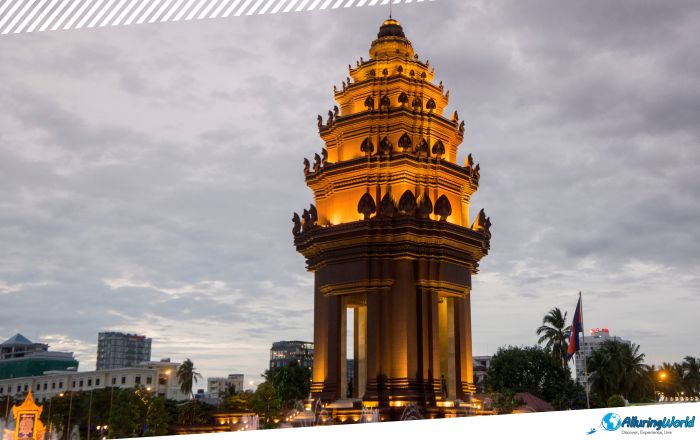
Visiting Independence Monument Park is very easy due to its central location, and every traveler can reach it via taxis, tuk-tuks, or public buses from Phnom Penh’s main districts. The park is open year-round, but if you decide to visit it, then plan to do it in the early morning or late afternoon because these are the ideal times for a visit.
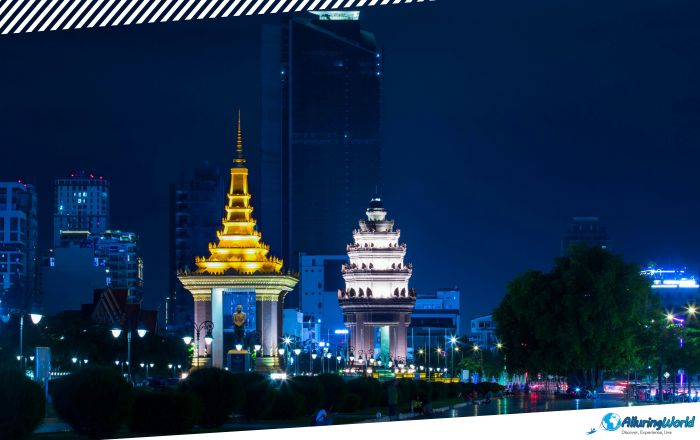
These times will offer you pleasant weather, softer sunlight for photography, and a calmer atmosphere for enjoying the landscaped gardens and observing daily local activities. While morning visits can be amazing, evening visits can be even more rewarding, since the monument is illuminated, thus creating a striking visual effect against the night sky.
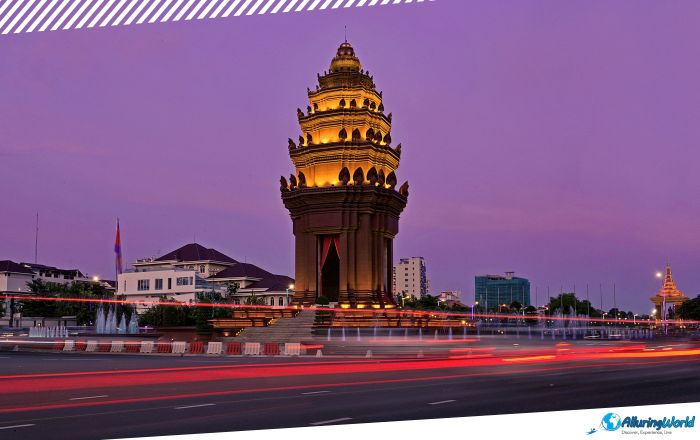
Still, you should not limit yourself to only sightseeing. The Independence Monument Park offers opportunities for casual recreation, cultural observation, and great photographic moments. You can enjoy the fountains, take leisurely walks along tree-lined paths, and watch how locals are engaging in morning exercises or social gatherings around the monument. To top it all, the Independence Monument can also serve as the central location that will bring better opportunities for exploration of nearby attractions, including the Royal Palace, Wat Phnom, and the vibrant riverside area.
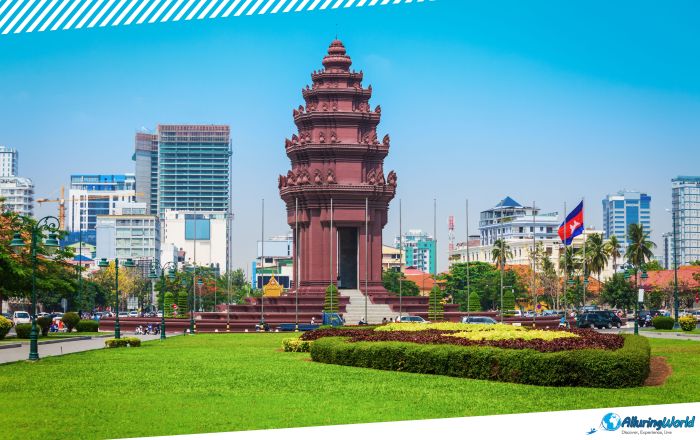
In conclusion, Independence Monument Park, together with the amazing Independence Monument, serves as a powerful testament to Cambodia’s journey to sovereignty, national identity, and cultural heritage. Constructed with Khmer-inspired architectural design that blends elegance, symbolism, and resilience, these two things have become the symbol of Cambodia’s capital, Phnom Penh.
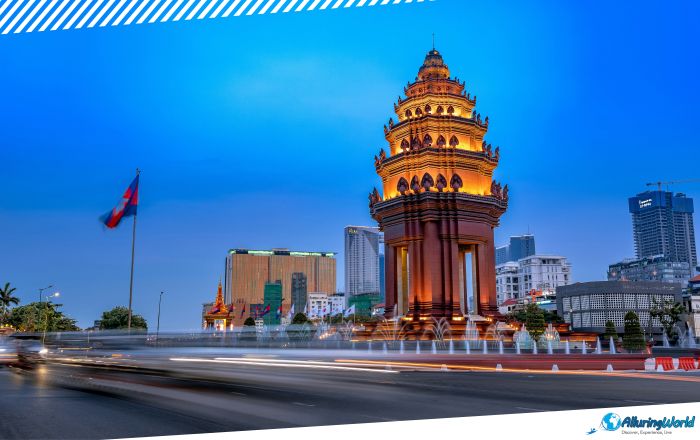
Surrounded by manicured gardens and fountains, it will offer you historical insight and a serene environment amid Phnom Penh’s bustling cityscape. In short, the Independence Monument Park will provide the inspiration and memorable experience that will make you cherish Cambodia even more, and be among your favorite countries that you have visited.