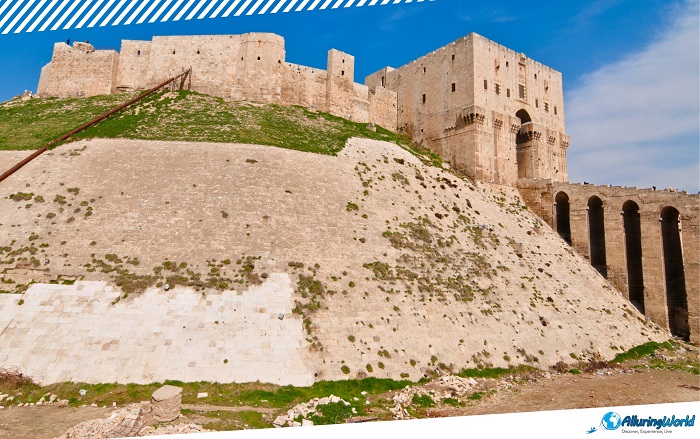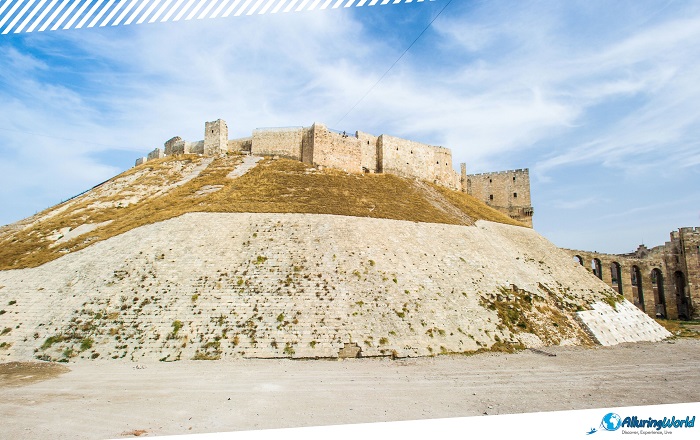
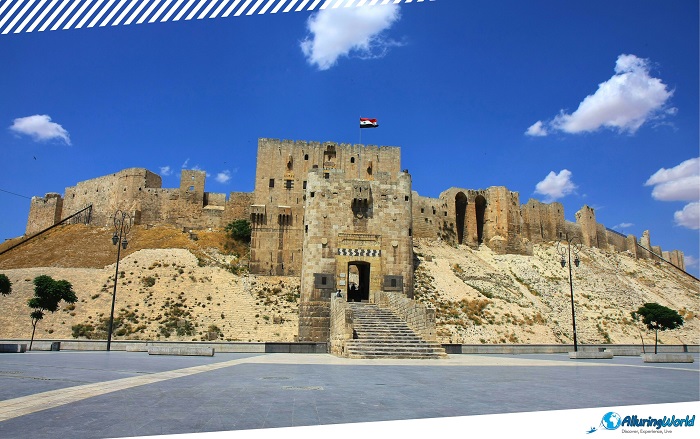
The Aleppo Citadel is one of the most prominent and historically significant fortresses in the Middle East, located in the heart of the city of Aleppo, the capital city of the Aleppo Governorate, within the northwestern part of the Syrian Arab Republic. Sitting atop a natural hill in the center of the city, the Aleppo Citadel dominates the city’s skyline, and it has been a symbol of power, defense, and resilience for centuries. Its strategic location at the crossroads of trade routes connecting the Mediterranean to Mesopotamia made it a critical military and political site throughout history, shaping the development of Aleppo and the surrounding region.
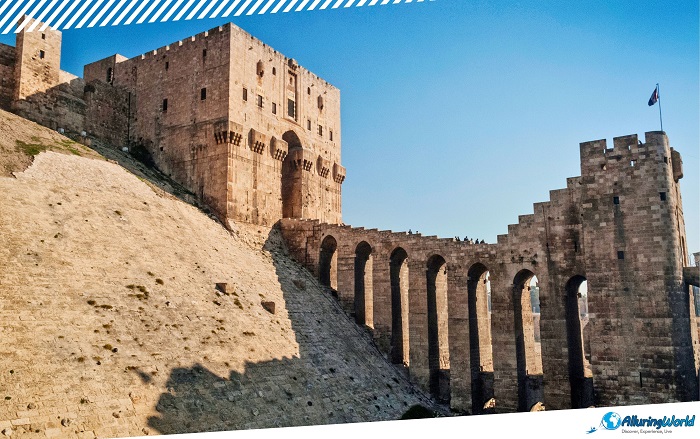
The origins of the citadel date back to antiquity, with evidence suggesting that a fortified structure existed on this hill as early as the 3rd millennium BC. However, most of the citadel as it stands today was developed during the Ayyubid period in the 12th and 13th centuries under the rule of Sultan Al-Zahir Ghazi, son of the renowned Muslim leader Saladin. The Ayyubids significantly expanded and fortified the citadel as they needed to withstand invasions and sieges, which reflected the turbulent political climate of the era. Throughout the centuries, there have been subsequent dynasties, including the Mamluks and Ottomans, and they added their own architectural touches, thus reinforcing and restoring parts of the structure to suit contemporary military needs.
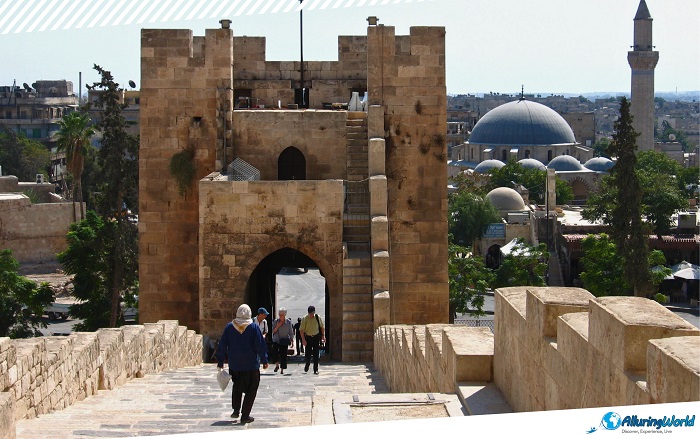
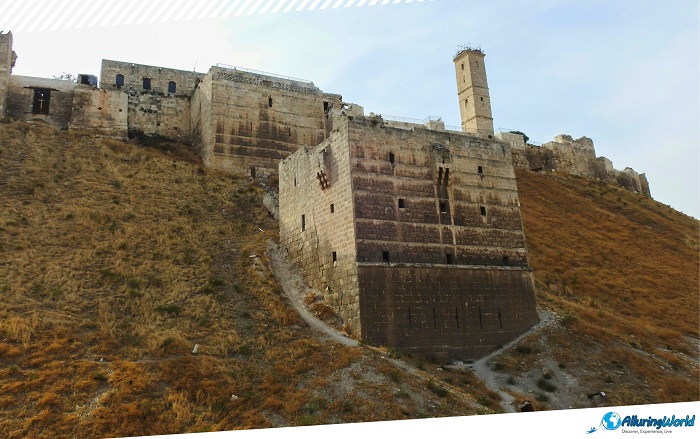
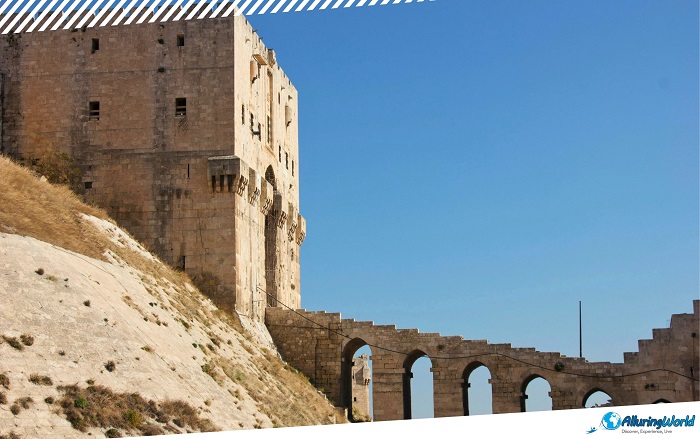
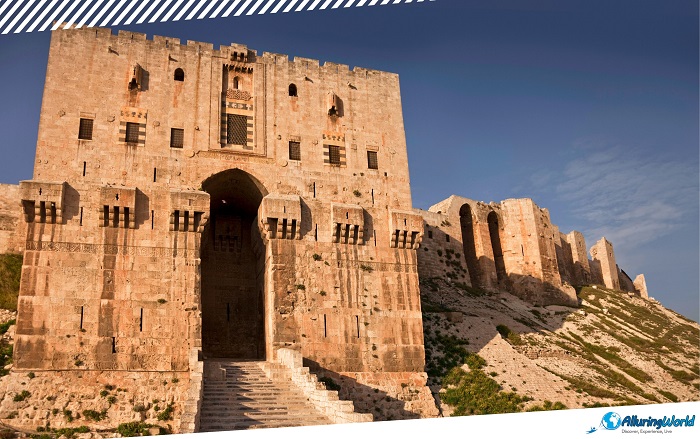
Constructed primarily from locally sourced limestone and basalt, the citadel’s massive walls, towers, and gates were designed to endure prolonged attacks. The fortress incorporates functional and aesthetic elements, as it blends military necessity with architectural sophistication. The expansive exterior features imposing massive curtain walls, numerous defensive bastions, and grand gateways that allowed the movement of people, while the interior includes residential quarters, ceremonial halls, mosques, and storage facilities. The citadel’s design exemplifies Islamic military architecture, combining strategic defense with monumental scale and intricate craftsmanship. Arches, vaulted ceilings, and stone carvings are notable features, demonstrating the high level of technical skill employed by the builders.
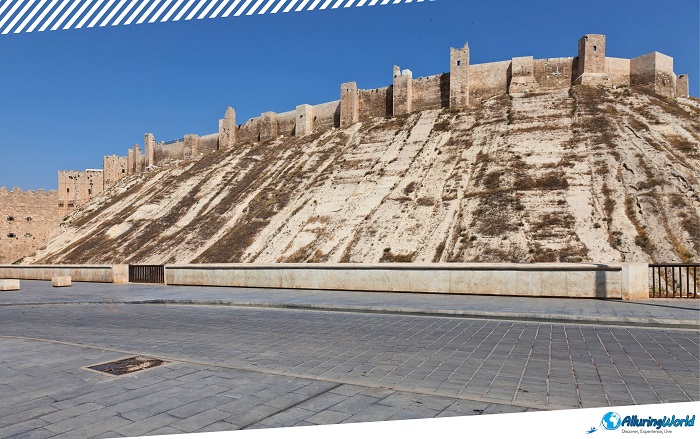
Throughout history, the Aleppo Citadel has been at the center of numerous important events. First of the more important events was the survival of the Mongol invasions of the 13th century, and then continued to endure multiple Ottoman campaigns, as well as withstanding internal conflicts between rival factions in the region. During the Crusades, the citadel served as a defensive stronghold and a center of governance, reflecting its dual role as both a military and administrative hub. Its strategic importance made it a symbol of sovereignty and resilience, representing the enduring strength of Aleppo through centuries of political upheaval.
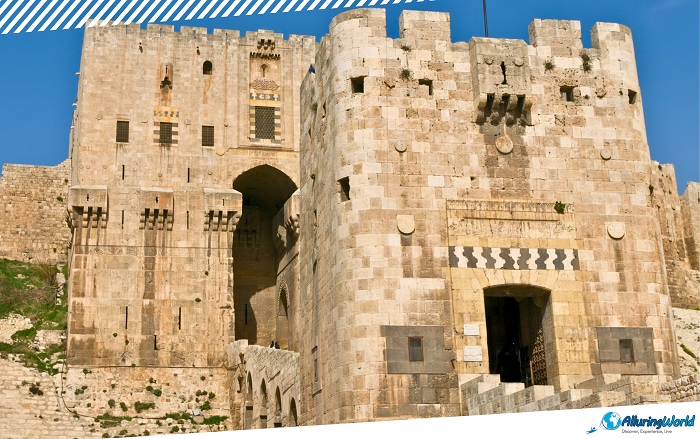
The citadel has also played a key role in cultural and social life. Within its walls, rulers and officials organized ceremonies, justice proceedings, and military operations. Religious and civic structures, including mosques and baths, were integrated into the citadel complex, illustrating its function as a self-contained urban center. Due to its historic importance and the combination of defensive and civic architecture, the citadel was recognized as a UNESCO World Heritage Site, emphasizing its significance not only as a military monument but also as a testament to the cultural and historical legacy of Aleppo.
ADVERTISEMENT
Visiting the Aleppo Citadel offers a unique opportunity to explore its expansive courtyards, formidable gates, and ancient towers. The main entrance, better known as the Citadel Gate, leads into a vast central plaza which is surrounded by defensive walls and ancient structures. Visitors can then ascend the ramparts to enjoy the mesmerizing panoramic views of Aleppo, the surrounding plains, and the distant mountains.
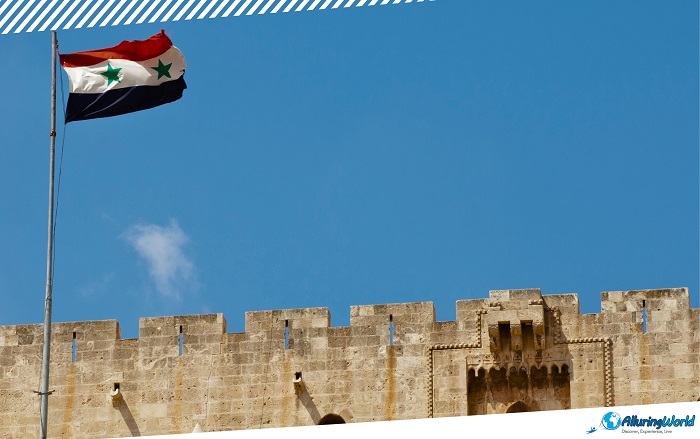
In addition, the interior spaces reveal remnants of royal halls, military barracks, and storage areas, as each of them provides insight into the daily life of those who once occupied the fortress. While restoration work continues to preserve the site after recent conflicts, key sections are accessible to the public and offer a remarkable glimpse into the city’s rich history.
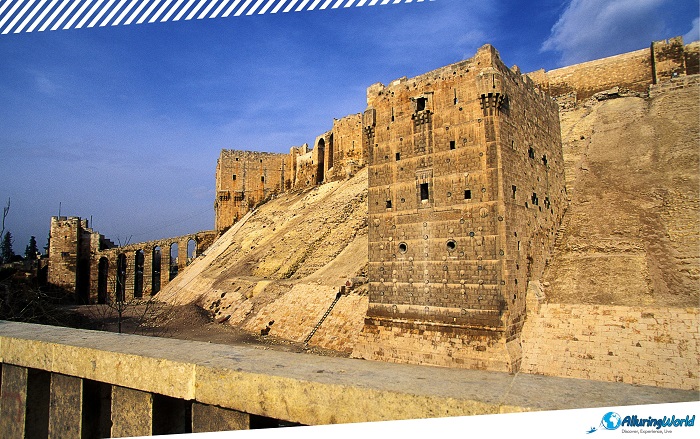
To reach the citadel, visitors can navigate through Aleppo’s Old City, which itself is a historic maze of narrow streets, souks, and mosques. The site is centrally located, making it accessible on foot from various parts of the city.
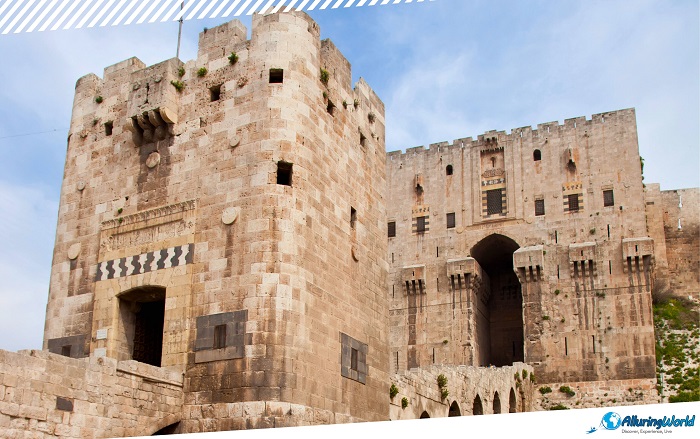
Local guides are offering historical context, and they highlight the information about the architectural details, including defensive features such as moats, drawbridges, and arrow slits. These tours help visitors understand the strategic ingenuity and craftsmanship that made the citadel a formidable fortress for centuries.
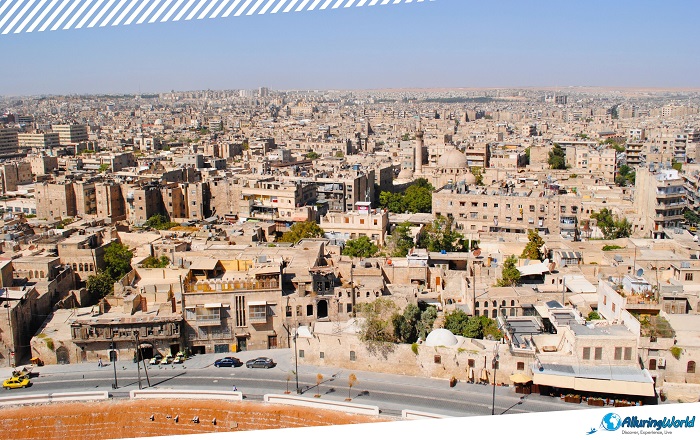
Today, the Aleppo Citadel remains a symbol of resilience and cultural heritage, but despite damage from recent conflicts, there have been efforts by local and international organizations that aim to restore and protect this historic monument for future generations. Its architectural grandeur, historical significance, and cultural legacy make it an essential destination for historians, architects, and travelers interested in the rich mosaic of Syria’s past. The citadel continues to inspire admiration for its combination of military ingenuity, artistic achievement, and enduring presence at the heart of Aleppo.
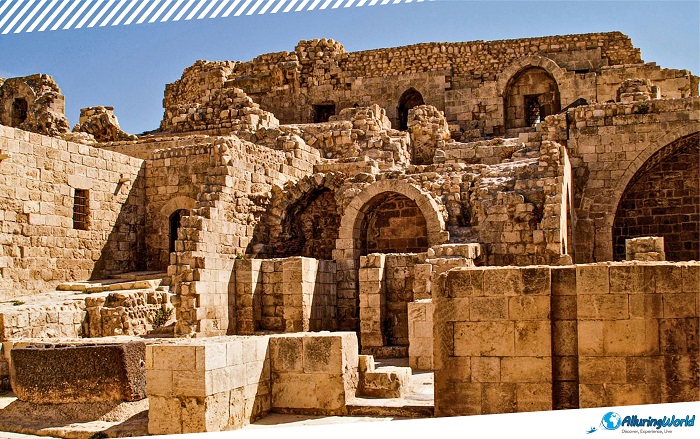
In conclusion, the Aleppo Citadel stands as a remarkable testament to the city’s long and complex history. From its ancient origins to its medieval expansions and modern preservation efforts, it embodies the resilience, ingenuity, and cultural richness of Aleppo. Visiting the citadel provides a deep and immersive experience, allowing individuals to connect with centuries of history and appreciate the architectural mastery that has endured for generations. Its importance as both a historical landmark and a cultural symbol ensures that the Aleppo Citadel remains one of the most significant monuments in the Middle East.