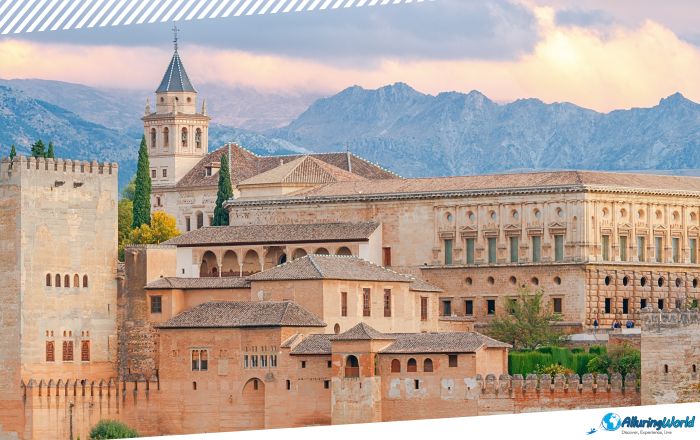
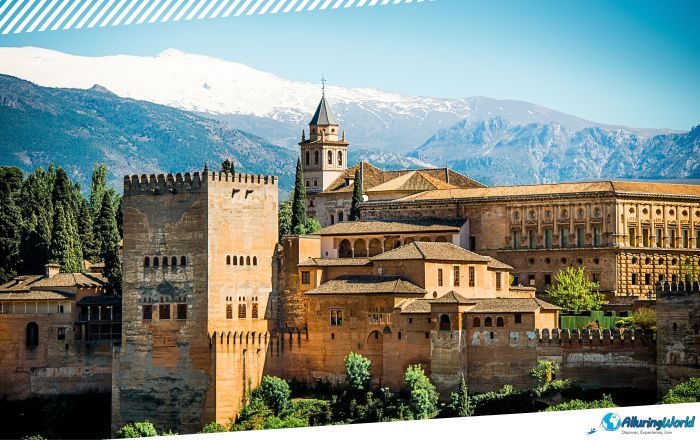
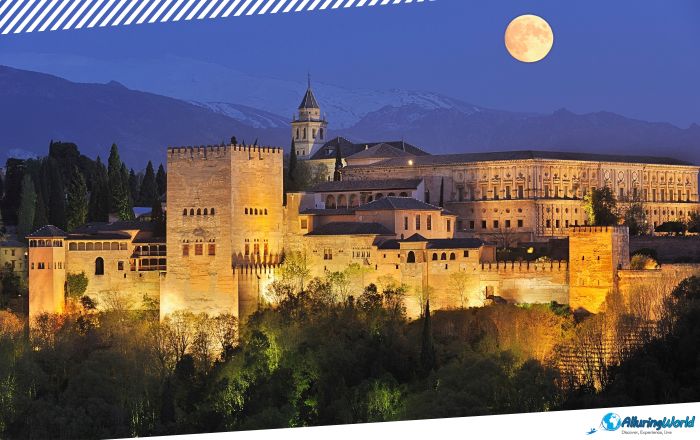
The Alhambra is a palace and also a fortress complex, also known as Qalat Al-Hamra, located in the city of Granada, Andalusia, in the Kingdom of Spain. The name Alhambra, which comes from the Arabic language, means ‘the red’, most likely due to the sun-dried bricks, called tapia, that are made out of fine gravel and clay.
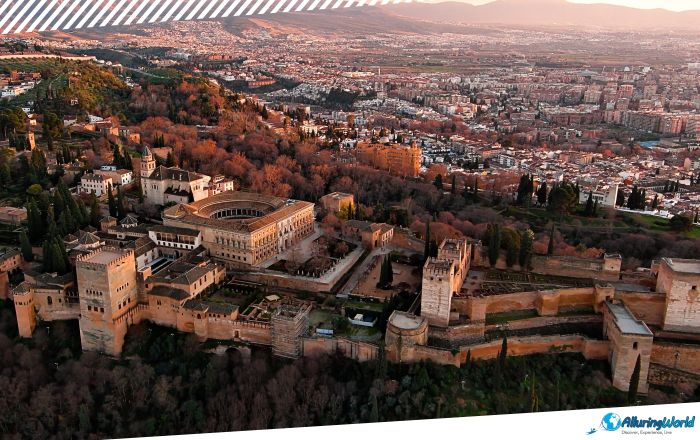
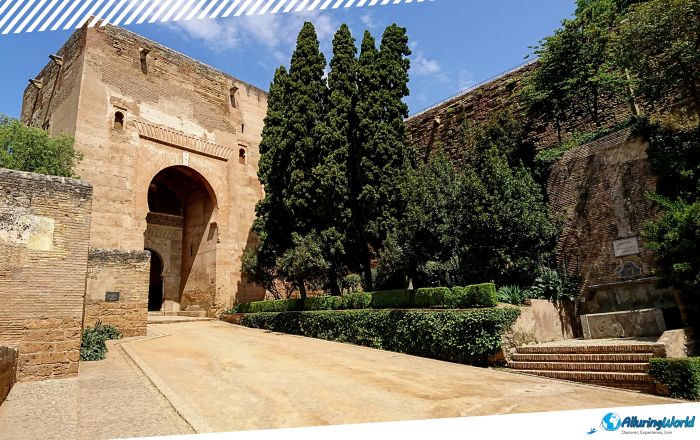
As a matter of fact, the outer walls of the palace and fortress are built from this type of brick. Built on a plateau that overlooks the city of Granada, it was initially constructed as a small fortress around 889 on the remains of some Roman fortifications, where it did not have a great significance until the middle of the 13th century, when the Moorish emir Mohammed ben Al-Ahmar of the Emirate of Granada renovated and rebuilt it once again.
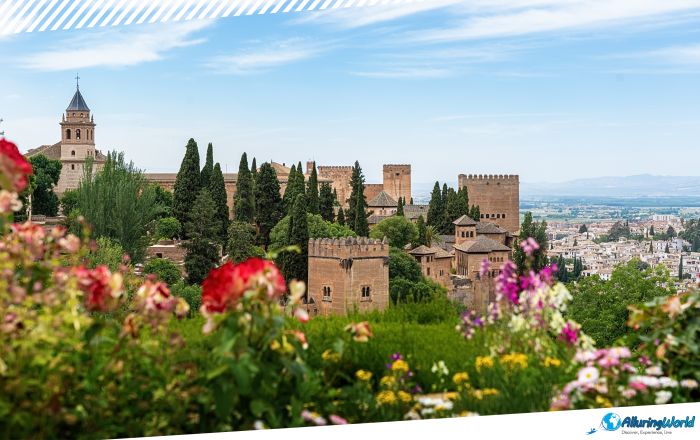
It is estimated that around 1238, the beginning of the renovation started, and the splendid decorations of the interior are ascribed to Yusuf I, who was the seventh Nasrid ruler of Granada, and turned it into a royal palace. Nonetheless, when the Moors were expelled from the Iberian Peninsula in 1492, Charles V, who ruled in Spain as Charles I, rebuilt parts of the fortress in a more Renaissance style and destroyed part of the palace so that he would be able to build, in 1526, an Italianate palace that Pedro Machuca designed.
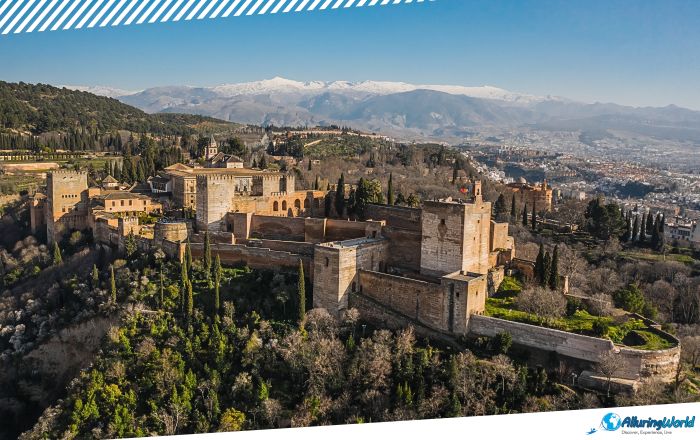
Later in 1812, the ground was used as barracks by the French during the War of Independence and was nearly blown up. There were also additional damages done by the 1821 earthquake, and seven years later, a restoration of the whole ground began, which continued throughout the 20th century.
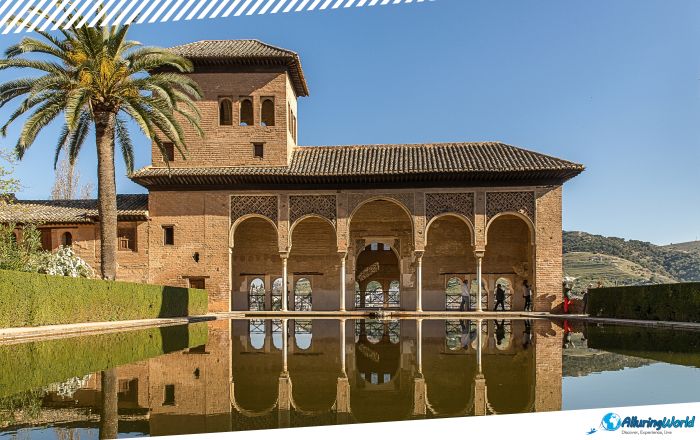
Due to the fact that the last rulers of the fortress and palace were the Christians, it also resembles many medieval Christian strongholds that include a castle, a palace, and a residential annex for subordinates. The Royal Complex consists of the Mexuar, the Serallo, and the Harem.
ADVERTISEMENT
The Mexuar is, however, modest in decor and houses the functional areas where business and administration usually take place. The Serallo was built during the reign of Yusuf I, which is characterized by brightly colored interiors and also contains the Patio de los Arrayanes (Court of the Myrtles).
The Harem is also elaborately decorated and contains the living quarters for the wives and mistresses of the Berber monarchs. The Court of the Myrtles is a 42 meters (140 ft) long by 22 meters (74 ft) broad yard that got the name from the myrtle bushes which surround the central pond, and the bright green color of which contrasts with the white marble of the patio.
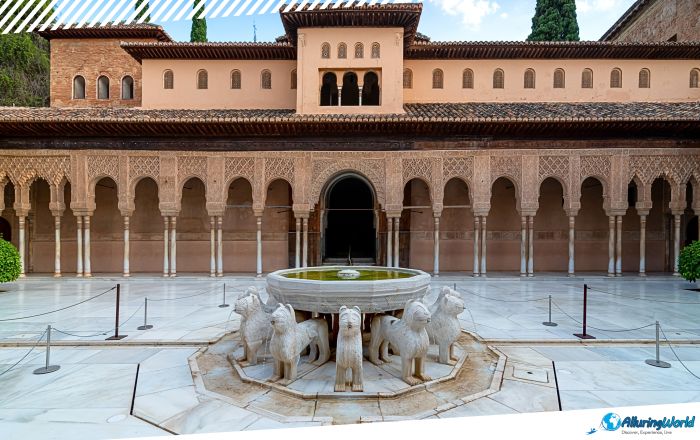
Furthermore, the Hall of the Ambassadors is the largest room in the Alhambra, which was the grand reception room where the throne of the Sultan was placed opposite the entrance of the hall. The Court of the Lions and fountains is another oblong courtyard, which is surrounded by a low gallery supported on 124 white marble columns.
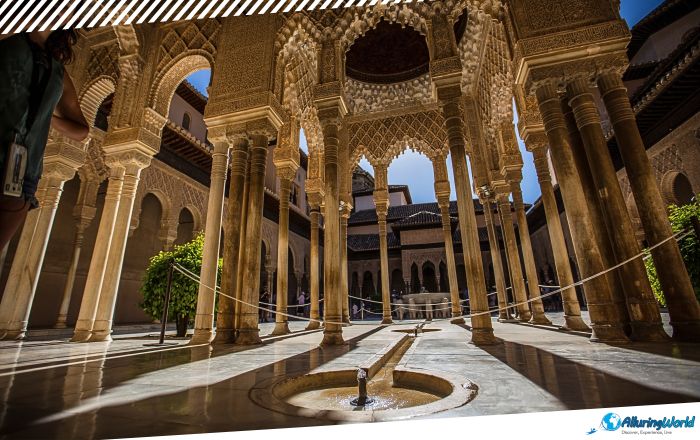
The Fountain of Lions is located exactly at the center of the yard, which is an alabaster basin supported by the figures of twelve lions in white marble, not designed with sculptural accuracy but as symbols of strength, power, and sovereignty, and each hour, one lion would produce water from its mouth. The Hall of the Abencerrajes, which is named from a legend according to which the father of Boabdil, the last sultan of Granada, having invited the chiefs of that line to a banquet, massacred them here.
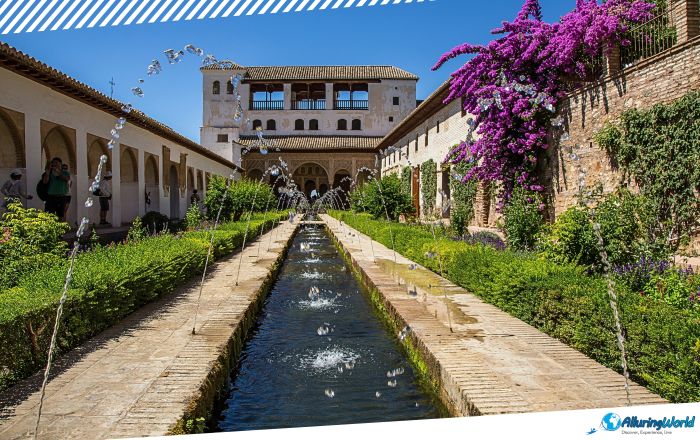
As a perfect square with lofty dome and trellised windows at its base, it is a good example of rich decoration with blue, brown, red, and gold colors, and there is also a fountain in the middle of the hall. As these are the main and most important structures from the Alhambra, there is also the Palacio de Generalife, the Hall of Justice, the Court of the Council Chamber, the Court of the Vestibule, and the Queen’s Robing Room.
Due to the historic importance the Alhambra had, today the Alhambra, the Generalife, and the historic district of Albayzín have been inscribed together in 1984 on the UNESCO World Heritage List, making them one of the most interesting places to be seen in southern Spain, as well as the entire Iberian Peninsula.