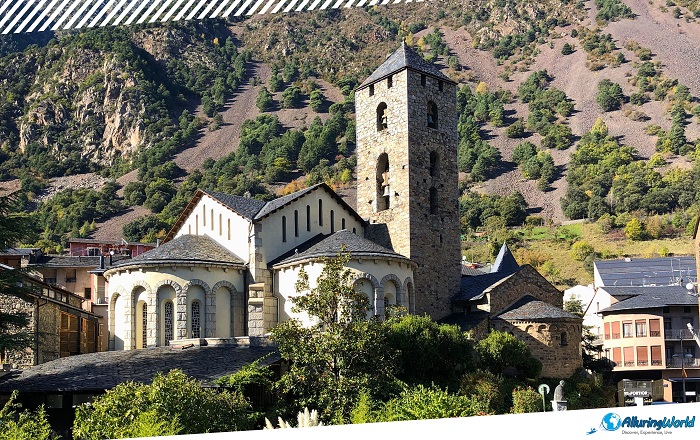
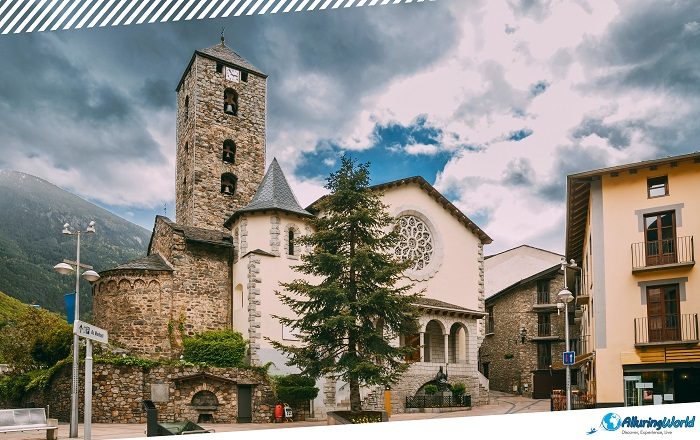
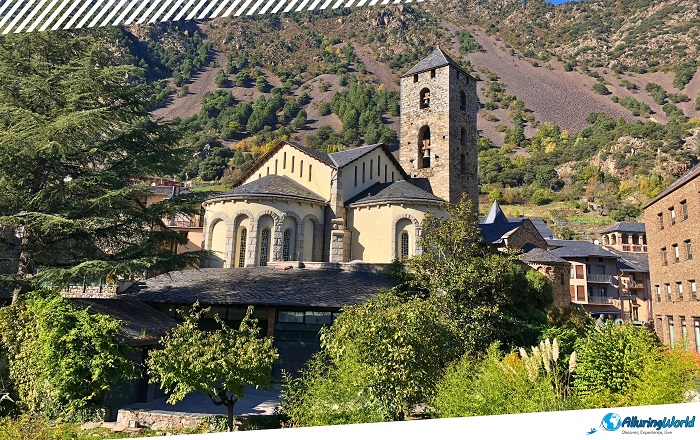
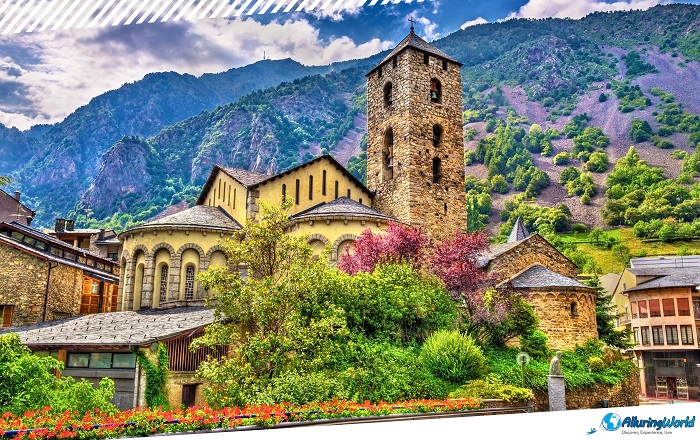
Sant Esteve Church is a historic and very famous church located at the entrance to the old quarter of the capital city of the small Principality of Andorra, Andorra la Vella. Standing as a profound testament to the spiritual and architectural evolution of the small principality, the church was consecrated in the 12th century, and today it serves as a bridge between the rugged Romanesque period and later Gothic architectural influences. Elevated high in the Pyrenees Mountains, the church remains an essential stop in the capital city for any traveler who wants to understand the cultural heartbeat and deep-rooted heritage of this small mountain nation.
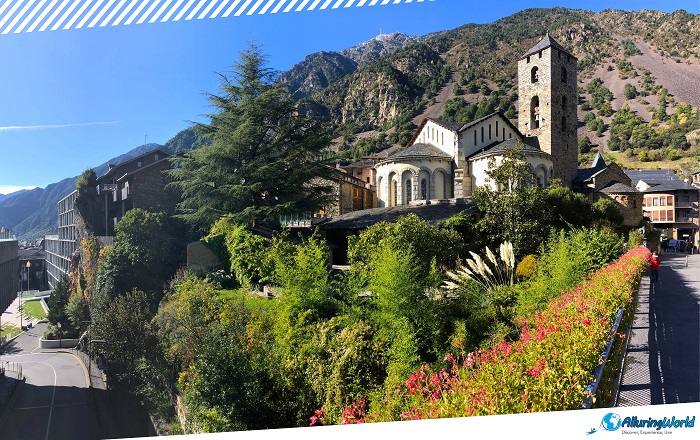
Throughout time, the Sant Esteve Church has seen significant alterations and enlargements, yet the “soul” of the medieval structure continues to persist even today. From the original 12th-century construction, the most striking feature is the semicircular apse, which is accompanied by portions of the nave walls and a small apse.
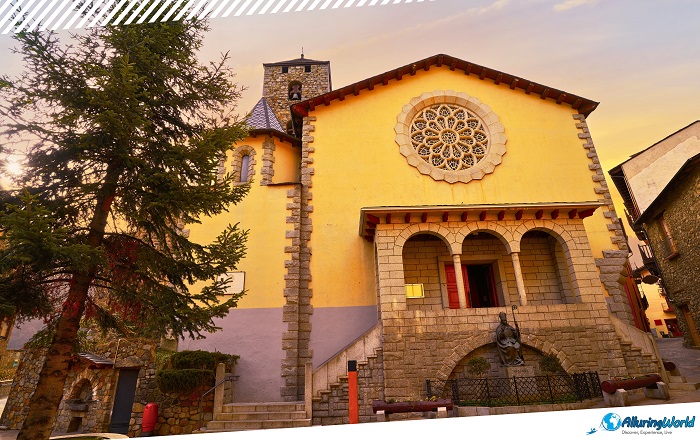
This central apse is widely regarded as the largest and most richly decorated example of Romanesque craftsmanship preserved within the country. In addition to this, it features two double slit windows, and its distinctive quarter sphere roof is meticulously crafted from pumice stone, a volcanic material chosen for its lightness and durability.
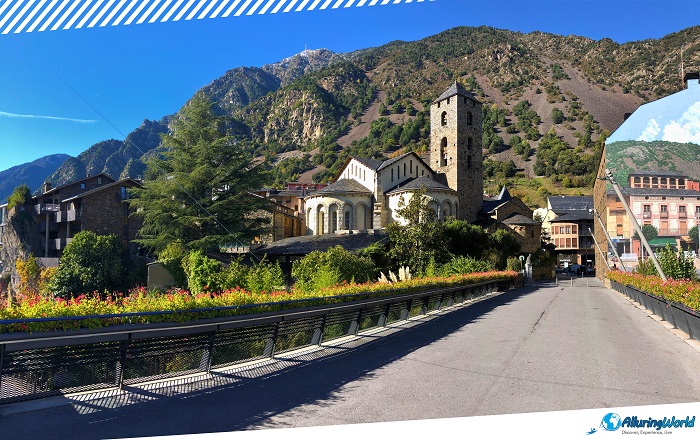
The exterior of the church showcases the exquisite Lombard architectural style that defined the era in this region. If you see this amazing structure in person, then look beneath the traditional slate roof, since you can admire a continuous sawtooth frieze that spans from one side to the other.
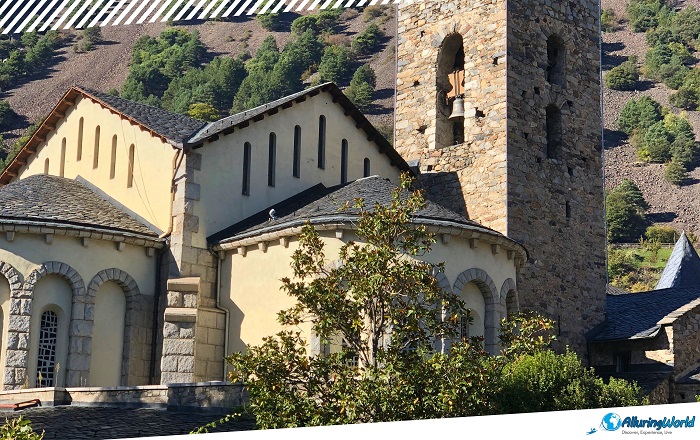
Below this architectural detail lies a series of blind arches, supported by a delicate, small table featuring intricate geometrical decorations. These elements combined give the church its sturdy yet elegant character, a style that flourished throughout the Pyrenees during the Middle Ages.
ADVERTISEMENT
Historically, the interior walls were adorned with vibrant murals, some sources stating that this likely dates back to the 13th century. While time has dispersed these treasures, there are still some fragments that are partially preserved today in the National Art Museum of Catalonia, as well as within two private collections.
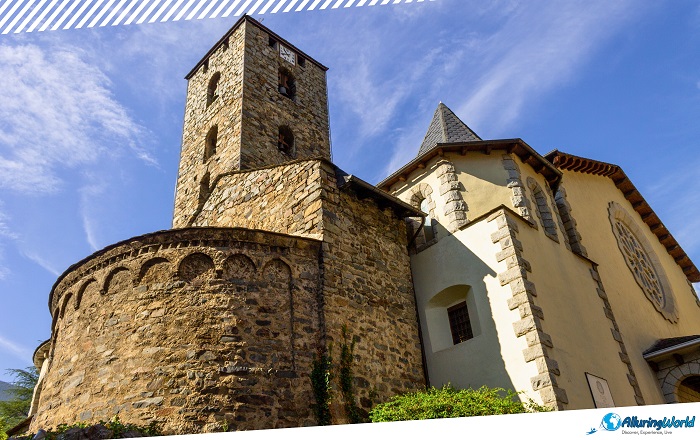
From the original objects, the church still houses the evocative Painting of the Souls, which is an 18th-century masterpiece that continues to catch the glimpses of the faithful and art historians alike.
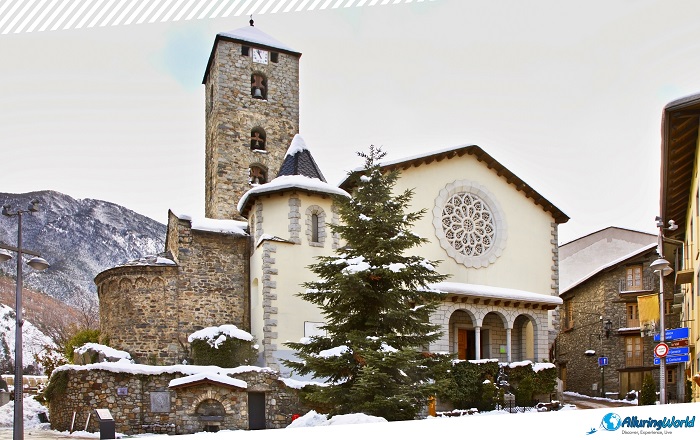
The modern silhouette of the Sant Esteve Church we admire today owes much to the major restoration of 1940. This project was led by the renowned modernist architect Josep Puig, who successfully integrated contemporary needs with the building’s ancient foundations. Today, as the Sant Esteve Church is visible from various points of the capital city, it continues to greet every visitor as a place of worship, but most importantly as a towering symbol of the rich history and enduring spirit of Andorra.
In conclusion, this landmark stands as a living chronicle of Andorran identity, where medieval craftsmanship seamlessly intersects with 20th-century vision. By preserving its ancient stone foundations while embracing modern restoration, the site offers a unique window into the artistic transitions that shaped the Pyrenean landscape.
If you are drawn by the allure of Romanesque masonry or the quiet beauty of its Baroque paintings, it is certain that the church remains a timeless sentinel, thus inviting you and every passerby to connect with the centuries of devotion and culture etched into its walls.