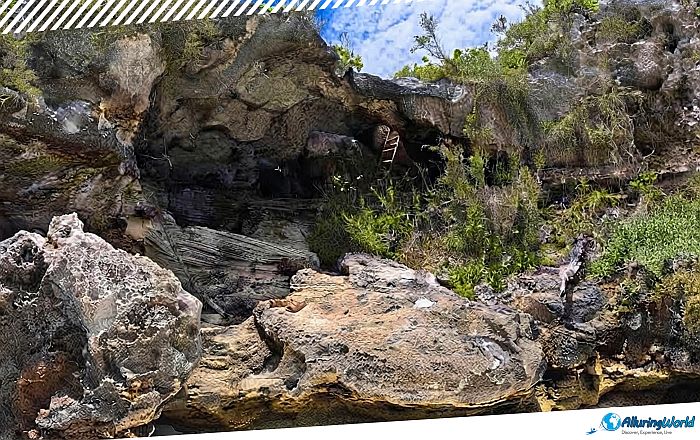
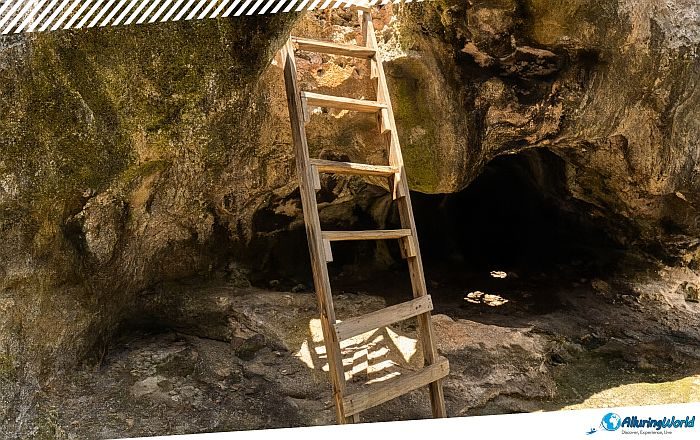
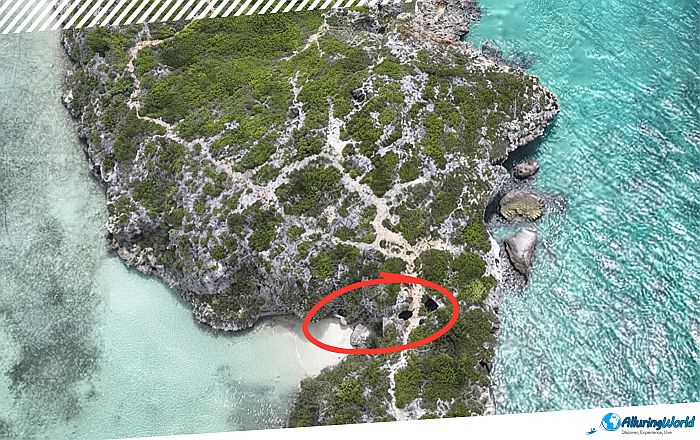
Pirates Cove is a historic, semi-hidden open-faced sea cave that is part of the West Harbour Bluff, perched at the southwesternmost tip of the Island of Providenciales, in the northwestern part of the Caicos Islands, within the northwestern part of the British Overseas Territory in the Atlantic Ocean, Turks and Caicos Islands. As this place is far beyond the pristine resort strips and manicured shorelines, it is one of the most intriguing and natural landscapes that you should visit while in the Turks and Caicos Islands. This part of the Caicos is known for its remote coastal expanse, which offers a stark, dramatic contrast to the powdery white sands of Grace Bay Beach. Here, ironshore limestone cliffs dip into clear blue water, sea caves tell stories about 19th-century shipwrecked sailors, and the place goes even further with ocean vistas that show you the true, wild spirit of the island chain.
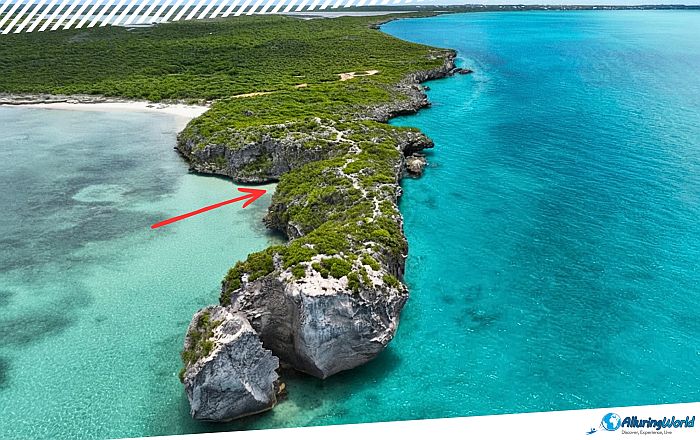
If venturing off the beaten path is what excites you, then nothing will satisfy that desire more than West Harbour Bluff. If it is geology, seafaring history, or catching the most stunning Caribbean sunset by yourself, then this secret spot will provide you with everything that you wish for. It might be difficult for the first-time visitor to understand why this place has three names; however, each name simply highlights a different feature of the very same destination. The name West Harbour Bluff is the official geographical designation for this place, alluding to the rocky highland that protects the entrance of West Harbour. Pirates Cove has to do with the local legends and cave formations that were perfect spots for pirates, while the third name, Split Rock, refers to the most dramatic geological formation in the area: a massive vertical fissure carving through an isolated coastal monolith.
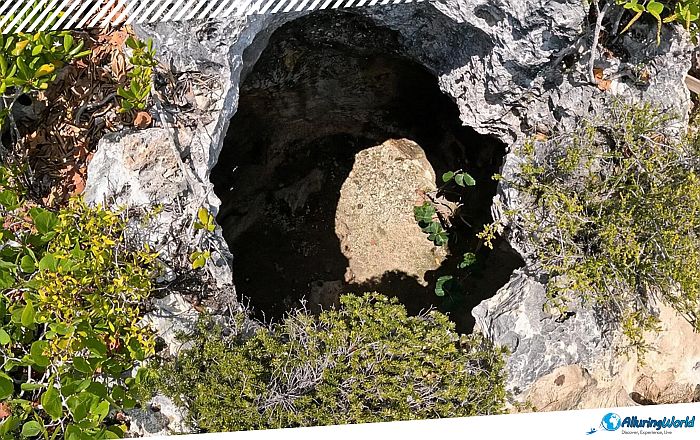
From a geological perspective, the landscape of West Harbour Bluff is the very definition of subterranean limestone erosion and karst geography. Some million years ago, the island of Turks and Caicos evolved from gigantic coral reef platforms that were formed on top of volcanically created basements beneath the ocean. With varying sea levels and currents beating against the shores, rainwater containing carbonic acid dissolved the limestone, and waves cut arches, blowholes, and pockets into the rock. The outcome is the famous “ironshore” coast, which is the weathered version of limestone forming an almost sharp boundary between the land and sea. Walking through this landscape makes one feel like being on a different planet because of the fossilized corals in the visible rock above the present water level.
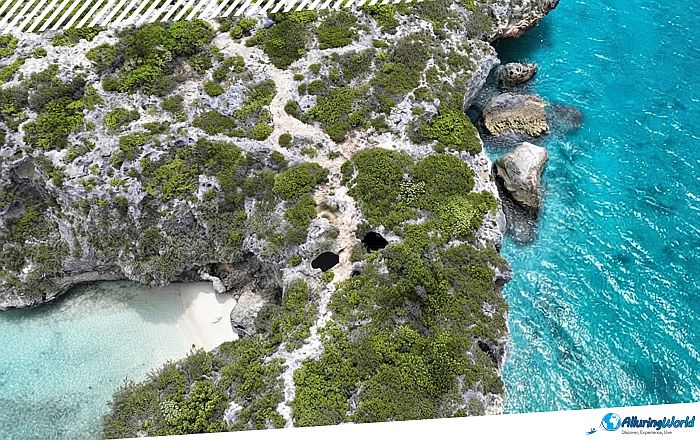
Though stories about secret bays are often associated with 17th-century pirates in the Caribbean, the history of West Harbour Bluff proves to be just as interesting, if not more so, than any stories. The protected bay at West Harbour Bluff served as an anchor point for ships trying to navigate the dangerous Caicos Passage. Carvings on the historical soft limestone rocks have been found on the bluffs, dating back as early as the 1800s, as they have been left by seafarers, shipwrecked people, and even travelers. The carvings are basically ship names, dates, initials, and pictures of sailing ships carved in a rough way in what seems to be a form of graffiti art. Some of the most notable carvings are those by shipwreck victims who used the bluffs as lookouts for possible rescue ships.
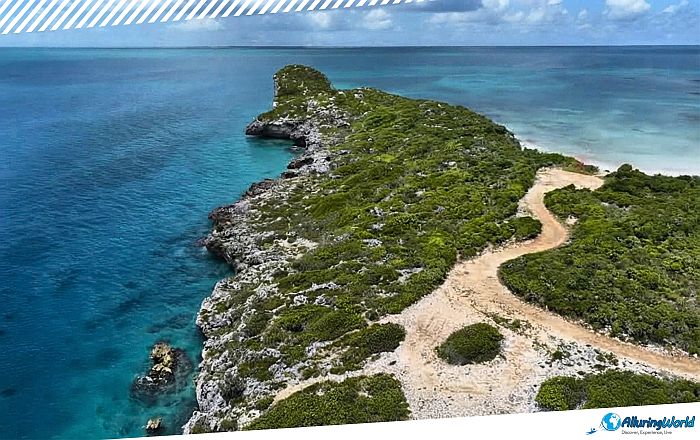
In addition, during the era of plantations in the 18th and 19th centuries, the bluffs served an important purpose in the trade and communications between Providenciales and other islands. Salt, cotton, and wood were carried by boats using the water route to the west, and for this reason, the bluffs at Pirates Cove were strategically very important. Visiting West Harbour Bluff is an immersive sensory journey where you will see dramatic features like Split Rock, historic sheltered sea caves, and cliffside osprey nesting grounds come together in a singular, unblemished landscape. The best thing about visiting this place is being on top of the impressive coastal cliffs that overlook the Caicos Bank and deep ocean channel. The most prominent feature of this landscape is the Split Rock, an enormous block of limestone that has separated from the main face of the cliff because of continuous erosion from the waves.
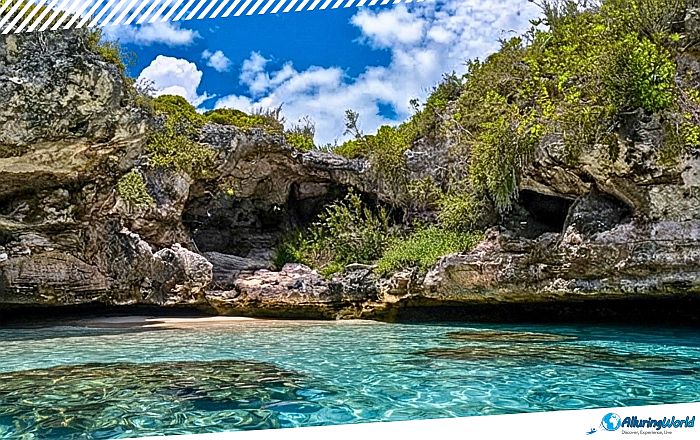
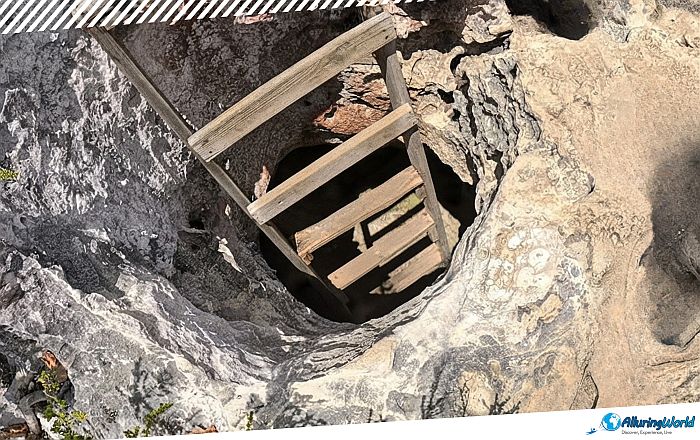
Buried within the crevice at the bottom of the cliffs is the small sea cave called Pirates Cove. This natural structure is accessible mainly during low tides and provides instant protection from the sun, along with some amazing rock formations and other historical markings. It is not difficult to see why this place has acquired such legendary status after spending a few minutes in the cool confines of the cavern, hearing the sound of waves crashing on the limestone cliff.
ADVERTISEMENT
Nevertheless, despite the harsh environment, West Harbour Bluff is home to an amazingly rich ecosystem. The surrounding vegetation consists of salt-tolerant species, such as sea grapes, native dwarf palmettos, and wild orchids.
- Ospreys: The towering rock pillars serve as prime nesting sites for western osprey. Visitors frequently spot these majestic raptors hunting for fish in the clear waters below.
- Marine Life: From the elevated cliff edges, the crystal-clear water allows for effortless spotting of sea turtles, spotted eagle rays, and small reef sharks gliding through the shallows.
- Bonefish: The shallow flats inside West Harbour itself are world-class habitats for bonefish, drawing fly-fishing enthusiasts from across the globe.
Because Pirates Cove remains completely undeveloped, reaching and exploring the area requires thoughtful preparation. There are no paved pathways, visitor centers, or commercial amenities on-site, so getting there will require some effort from your end. Pirates Cove is situated about 25 kilometers (16 miles) away from Grace Bay, and traveling by car would take roughly 45 to 50 minutes. The final leg of the journey involves navigating unpaved dirt tracks through Wheeland along Tom Lightbourne Drive. Although a regular sedan can sometimes reach there under favorable weather conditions, it is advised that you use a 4×4 or SUV.
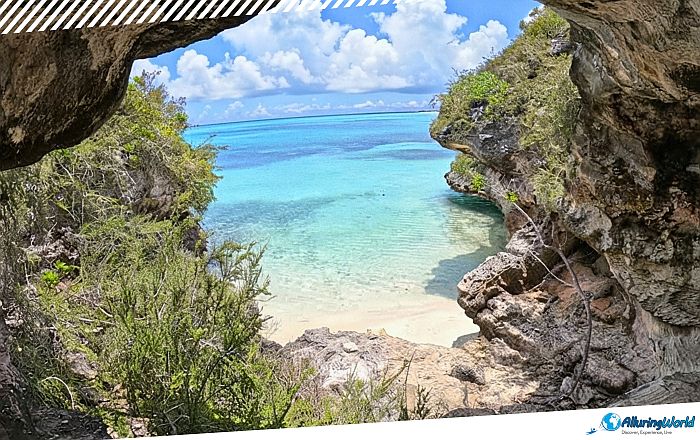
Once there, exploring the ironshore terrain demands proper preparation, and this is especially important because the limestone rocks can be extremely sharp, and the area is entirely exposed to sunlight with very little natural shade. This is why you should be aware and prepare with the following:
- Footwear: You should have sturdy, closed-toe hiking shoes or heavy-duty trail sandals. The sharp limestone can easily slice flip-flops and thin canvas shoes, and under no circumstances should you wear them.
- Hydration: Bring twice as much water as you think you will need because the heat reflected off the white limestone accelerates dehydration.
- Cliff Caution: You should always maintain a safe distance from cliff edges. The limestone underfoot can be undercut by sea erosion and may be structurally unstable, thus making it very dangerous.
Ideally, West Harbour Bluff should be visited during the dry winter season, from December to April, when the temperature hovers around 27°C (80°F). To make the best of your trip, you should consider arriving here in the late afternoon, and the reason for this is that West Harbour Bluff faces west and offers one of the most spectacular views of the setting sun. It’s worth mentioning that the limestone cliffs are tinted with orange and pink hues during the sunset, creating a breathtaking view for landscape photography. Being one of the last pristine coastal areas on Providenciales, West Harbour Bluff needs to be treated carefully by everyone who visits there because the delicate ecosystem and cultural history can be destroyed very easily.
When visiting Pirates Cove, you must always practice strict Leave No Trace principles:
- Preserve Historical Carvings: Never add your own markings, initials, or graffiti to the rocks. Adding modern carvings destroys priceless historical inscriptions left centuries ago, and you’re just going to be seen as a jerk.
- Pack Out All Trash: Carry out everything you bring in, including food scraps and plastic bottles. This is a fragile place, so even the smallest plastic wrapper will leave a bad impression for the next person who comes.
- Respect Nesting Birds: Keep a respectful distance from cliffside nests, especially during the spring breeding season. After all, they are wildlife that calls this place home.
By treating this wild, historical sanctuary with care, you will help to ensure that the rugged charm, biological richness, and historic mystery of Pirates Cove remain preserved for generations to come.
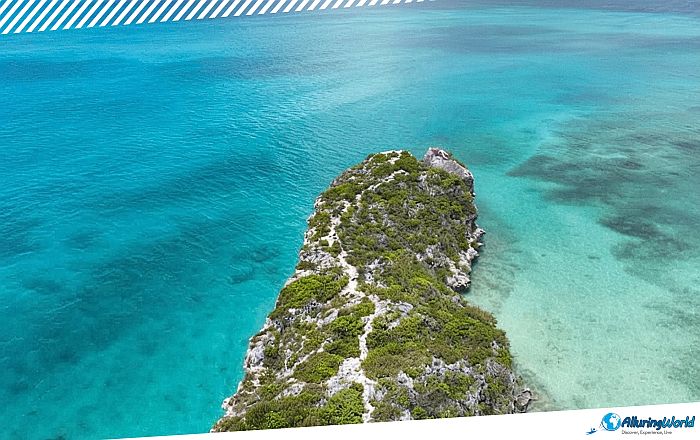
To conclude, when you are looking down from atop the rising waves at West Harbour Bluff, especially while the sun paints the rock in amber tones, you will see one of the most mesmerizing places in the Turks and Caicos. At Pirates Cove, you get a glimpse into what the true nature of the island is all about, and overall, you will be witnessing a natural landscape that should be known better than other places.