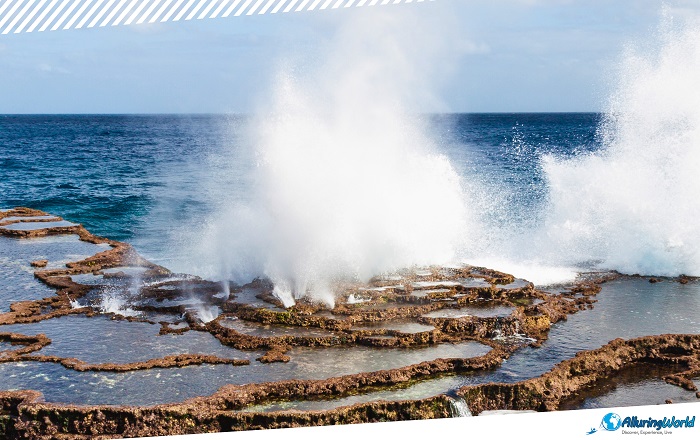
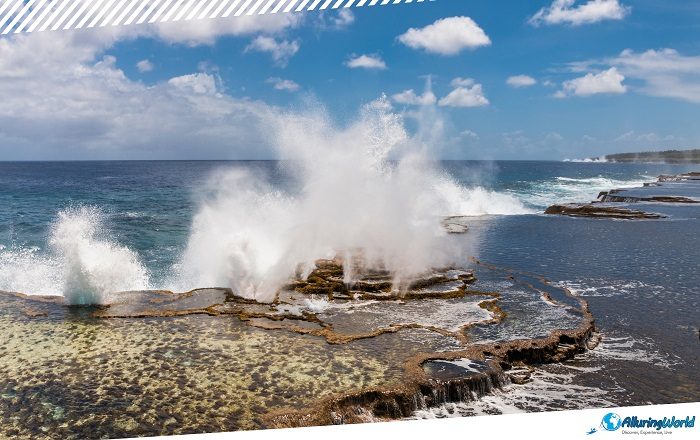
The Mapu’a Vaea Blowholes are an amazing natural feature that are located on the southwestern coast of the island of Tongatapu, which is part of the southern island group of the same name and also the main island that forms the Kingdom of Tonga. Known in the local Tongan language as “the Chief’s Whistles,” these remarkable geological formations stretch dramatically along the coastline near the village of Houma, about 14 km (8.7 mi) from the capital city of Tonga, Nuku’alofa. Being one of the most photographed and visited natural wonders in this small Pacific island nation, the blowholes are drawing travelers for their rhythmic display of water jets that can rise as high as 30 m (98 ft) into the air, depending on the force of the ocean waves. Their thunderous sounds and mesmerizing beauty make them one of the most powerful testaments to the interaction between sea and stone in the South Pacific.
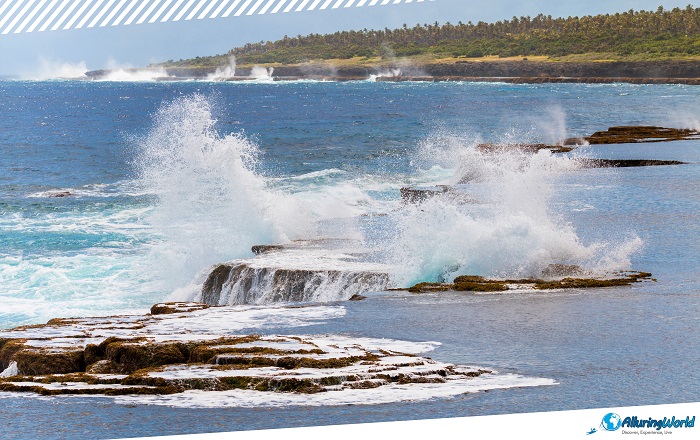
The Mapu’a Vaea Blowholes were formed through the slow and constant work of the ocean eroding the island’s rugged limestone coastline. Tongatapu, like much of Tonga, is composed primarily of uplifted coral limestone, the result of ancient volcanic activity and geological shifts that raised parts of the seabed above sea level. Over thousands of years, the relentless pounding of the waves carved tunnels and cavities into the coral rock. Whenever the seawater rushes into these narrow passages during high tide or especially under strong surf, it becomes trapped and compressed, forcing it to shoot upward through openings in the rock surface. This natural hydraulic system creates the spectacular geysers of seawater that have become the defining feature of Mapu’a Vaea.
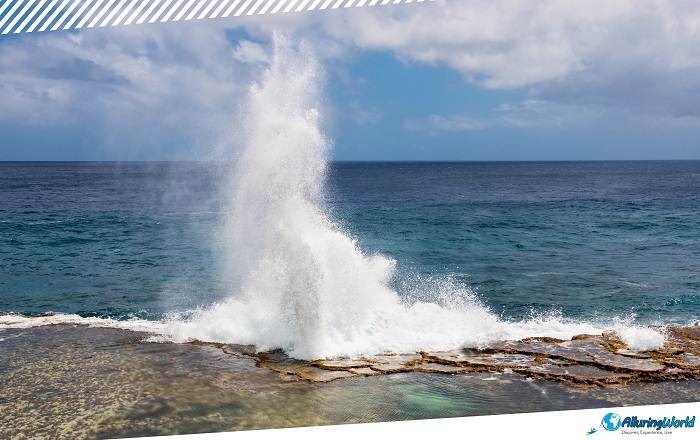
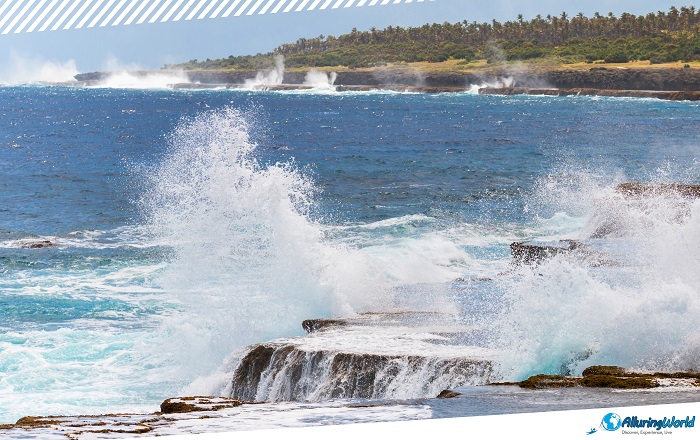
Unfortunately, the exact age of the blowholes is difficult to determine because their formation has been an ongoing geological process that was being shaped throughout the centuries, if not millennia, rather than a single event. It is believed they have developed over several millennia, continually shaped and enlarged by the erosive power of the ocean. What is interesting is that each blowhole from this natural feature functions differently depending on the width and depth of its internal channel. There are some that are producing short, sharp bursts, while others release towering columns of misty spray. Still, during stormy weather or when ocean swells are at their peak, the entire stretch of coastline becomes a line of roaring fountains, and this becomes a breathtaking natural symphony of motion and sound that should not be missed.
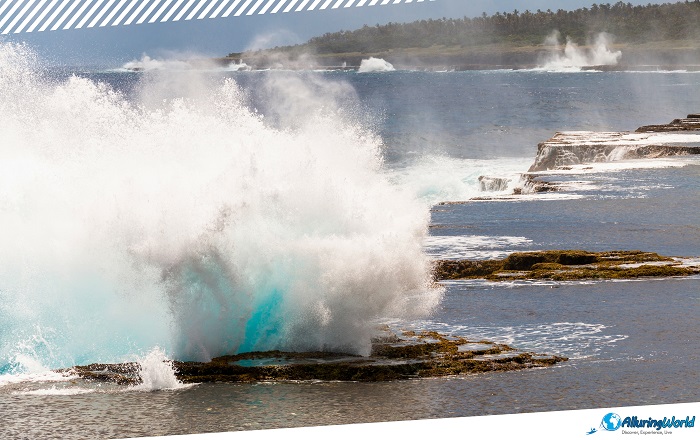
The name Mapu’a Vaea translates to “Whistle of the Noble” or “Whistle of the Chief,” which reflects the cultural reverence held for the site. As usual, there are Tongan traditions, and based on them, the sound of the blowholes resembles the whistling of a high-ranking chief calling out to his people. This poetic name captures not only the auditory power of the phenomenon but also its connection to the spiritual and social fabric of Tonga’s past. Many locals regard the blowholes as a reminder of the ocean’s authority, which represents a natural force that is feared and respected, and deeply woven into the rhythms of island life.
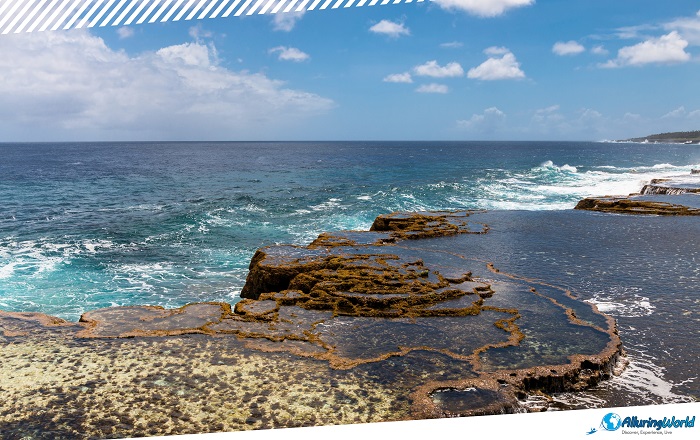
In terms of scale, the blowholes stretch for nearly 5 km (3.1 mi) along the coastline, making them one of the most extensive systems of their kind in the South Pacific. The individual blowholes vary in size, with openings ranging from just a few centimeters to several meters wide. When there is a high tide and especially when they are under strong surf, dozens of jets can erupt simultaneously, creating a dramatic wall of water and mist that seems to dance across the shore. The contrast between the turquoise sea, the white spray, and the dark coral rock makes the scenery particularly photogenic, attracting both professional photographers and casual visitors who wish to capture the essence of Tonga’s raw coastal beauty.
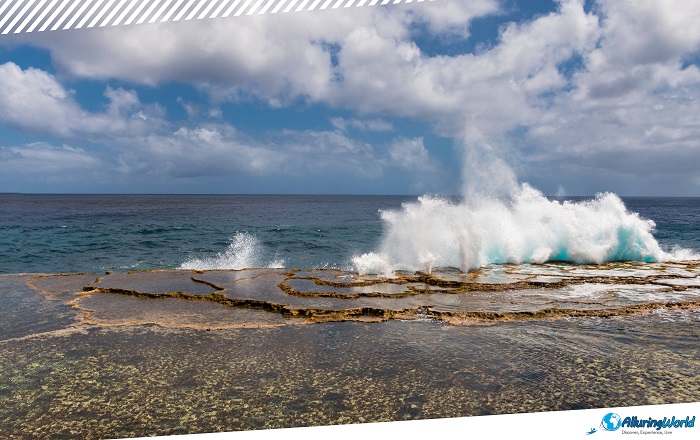
Today, Mapu’a Vaea Blowholes hold great importance not only as a natural attraction but also as a symbol of Tonga’s environmental heritage. As they are one of the most visited tourist sites on Tongatapu, and possibly in the entire Kingdom, they contribute significantly to the local tourism. Visitors who decide to spend their time in this Pacific gem often combine their trip to the blowholes with other nearby attractions, such as the Ha’amonga ‘a Maui Trilithon, a mysterious stone monument located about 20 km (12 mi) away, or the Anahulu Cave with its underground pools. The blowholes are easily accessible by car, with well-maintained roads leading from Nuku’alofa to Houma. The site itself has a viewing platform that allows safe observation of the spectacle without venturing too close to the slippery rocks or the unpredictable waves.
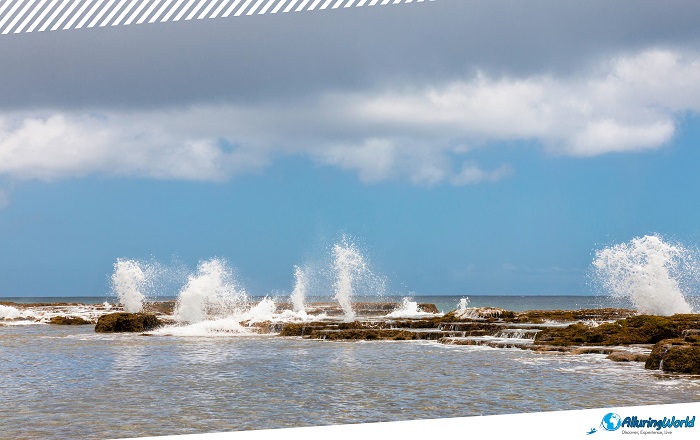
For travelers planning to visit, the best time to experience the Mapu’a Vaea Blowholes is during high tide and on days when the ocean swell is powerful. The force of the waves determines the height and intensity of the water spouts, on calm days, the blowholes may only emit soft sprays, but during rough seas, the jets can reach astonishing heights. Generally, the months between May and October, which correspond to Tonga’s dry season, are considered ideal for visiting. The weather is cooler and more stable during this period, making it comfortable for sightseeing. However, for those hoping to witness the blowholes at their most dramatic, visiting shortly after storms or during the wilder months between November and March can result in a truly awe-inspiring display.
ADVERTISEMENT
The blowholes’ mechanism is both fascinating and straightforward. When waves crash against the coral cliffs, water is forced through the underground tunnels that extend from the ocean’s edge to openings on the surface. Because these channels vary in size and direction, the pressure of the trapped water differs in each cavity, creating a range of spouts that appear and vanish in rhythmic succession. The physics that stands behind the produced sound that accompanies these eruptions, a low, echoing whistle followed by a booming rush of air, is what gave the blowholes their name. On particularly windy days, the spray that goes up in the air simply drifts inland, creating a fine mist that cools the nearby air and adds to the mystical atmosphere of the area.
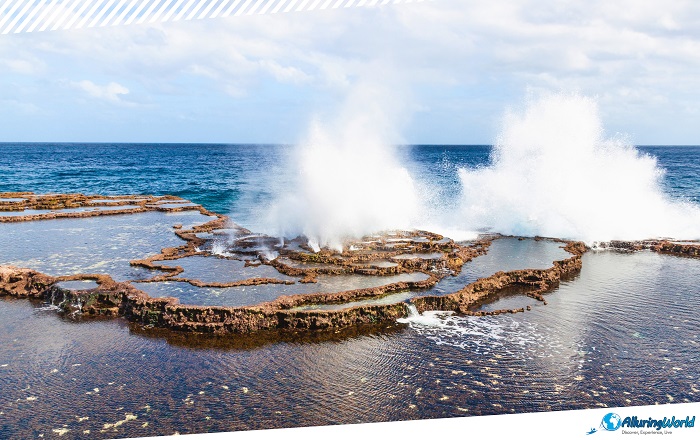
Nonetheless, to add to the visual and cultural appeal of the Mapu’a Vaea Blowholes, they also serve as a natural reminder of Tonga’s geological character. Because the islands sit along the Pacific “Ring of Fire,” which is a known for its high volcanic and tectonic activity, it is in fact the same forces that shaped the blowholes and nowadays continue to influence Tonga’s landscape, ensuring that the coastline remains a living, evolving environment. While the blowholes themselves are not volcanic, their existence is tied to the slow uplift of coral limestone caused by tectonic movement, a process that still subtly alters Tongatapu’s coastline today.
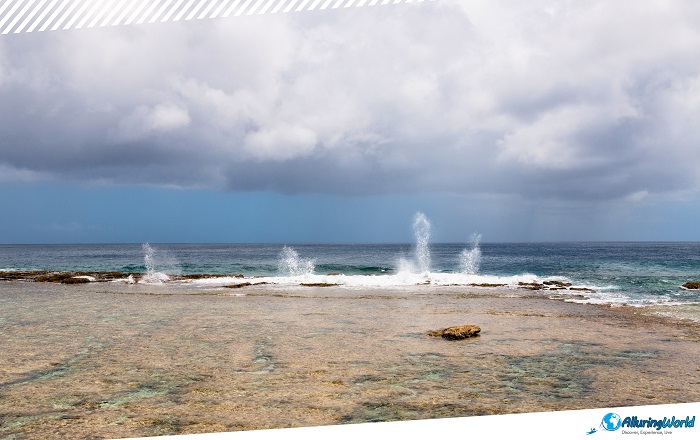
Safety is an important consideration when visiting. The power of the ocean in this area should not be underestimated; waves can be unpredictable, and the rocks are often slippery with sea spray. All visitors are always advised to observe the blowholes from the designated viewing areas, to avoid standing too close to the edges of the cliffs, because they never know when a sneaker wave could come. The best experience can be had from a respectful distance, where the full scope of the coastline’s eruptions can be appreciated safely.
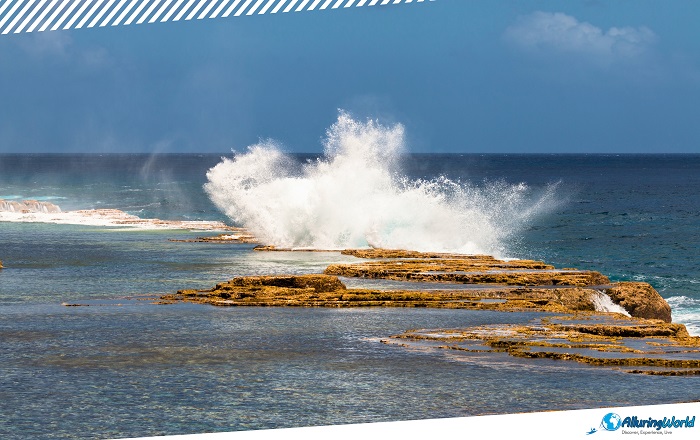
For those who would love to make excellent photos, in particular professional photographers, the blowholes are most impressive during late afternoon when the sun is low, casting golden light through the spray and creating vivid rainbows in the mist. Early morning visits also offer excellent lighting conditions, along with the added benefit of fewer crowds. The site’s proximity to Nuku’alofa makes it easy to combine with other excursions, and guided tours are available for those who prefer a historical and geological context during their visit.
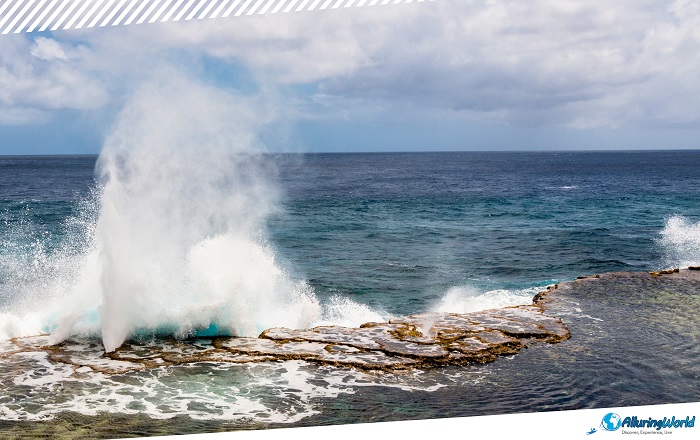
Though formed purely by natural forces, the Mapu’a Vaea Blowholes encapsulate much of what defines Tonga today, and that is an intimate relationship between land, sea, and culture. They are considered by locals and visitors alike to be an impressive display of natural power and a reminder of the deep respect Tongans have for their environment. Simply by watching the ocean breathe through the earth with such rhythm and grace can give a very humble experience to everyone who spends some time here, an experience that leaves everyone with a lasting appreciation for the beauty and strength of the natural world.
In conclusion, as the Mapu’a Vaea Blowholes stand as one of Tonga’s most extraordinary natural wonders, they are a seamless blend of geological artistry and cultural symbolism, if one needs to put it as simply as possible. Their formation, size, and timeless rhythm tell the story of the islands’ ancient origins and enduring spirit, so whether visited under calm blue skies or stormy gray clouds, the blowholes promise an unforgettable encounter with nature’s power, a moment where the land itself seems to come alive, exhaling the heartbeat of the Pacific Ocean.