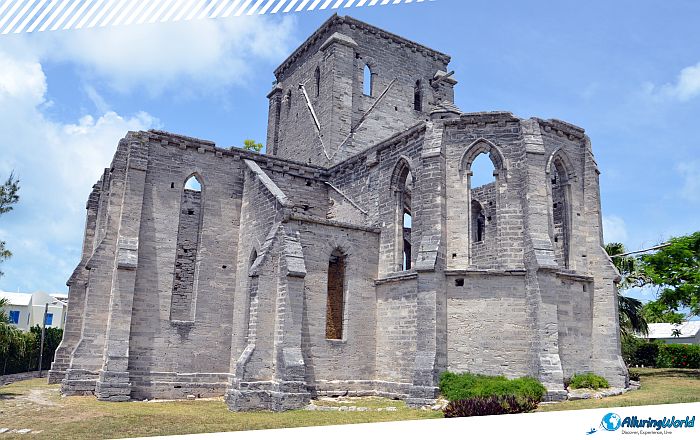
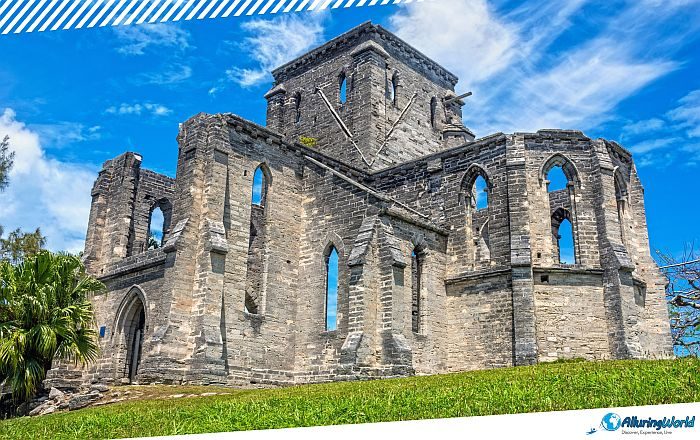
The Unfinished Church is, as the name suggests, an unfinished religious structure that is located in the central part of the Saint George’s Island of the British Overseas Territory in the North Atlantic Ocean, Bermuda. Looming over the town of Saint George’s, this skeletal Gothic masterpiece serves as a hauntingly beautiful monument to ambition, communal divide, and the sheer power of nature in the North Atlantic.
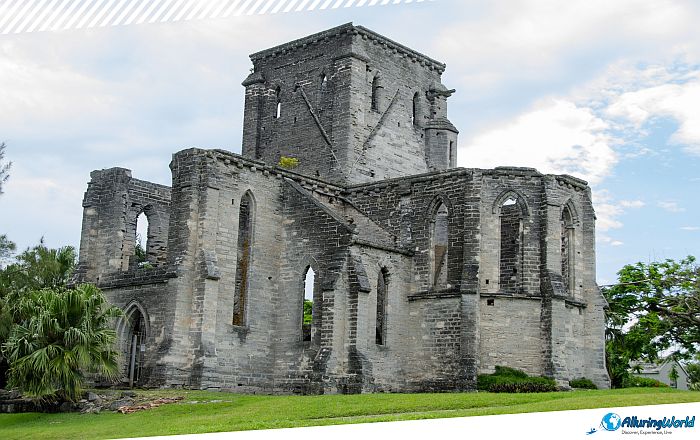
The history of the Unfinished Church can be traced back to the mid-19th century, more precisely, 1874, although there are reports indicating earlier preparations in 1870. The Anglican parish of St. George’s found it necessary to build another structure because the esteemed St. Peter’s Church, the oldest Anglican church continuously used beyond the British Isles, was no longer adequate for their ever-increasing number of followers.
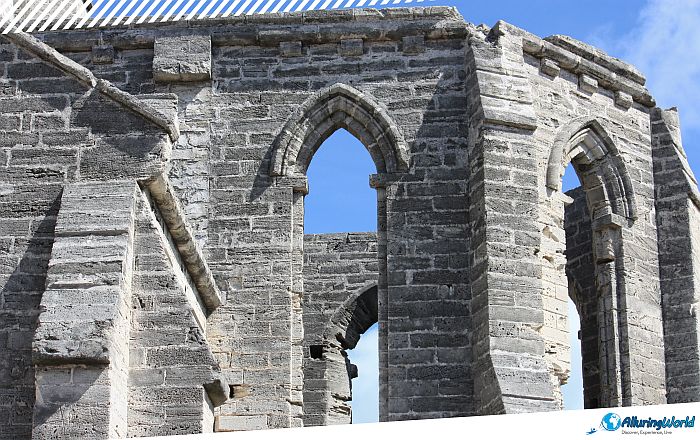
In order to realize their vision of a more impressive place of worship, they engaged William Hay from Edinburgh, an accomplished architect renowned for his Gothic Revival designs. The design he drew up was elaborate and ambitious, and it had a typical cross-shaped floor plan, pointed arches with rib-vaulting, seating for 650 parishioners, and the construction would be done by using Bermuda limestone and yellow bricks.
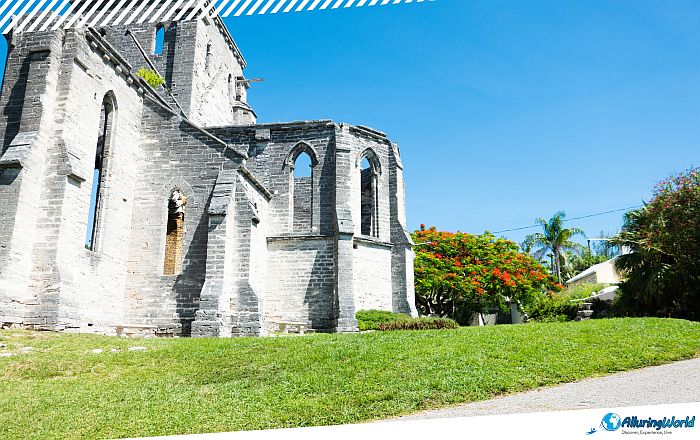
Although this project looked bright at first, it quickly encountered “The Great Schism.” There arose a rift in the community, as many parishioners continued to prefer the traditional St. Peter’s and believed the money would be better spent on restoring it rather than erecting a new building. With everything that has been going on, the financial support began to dry up as local politics and religious disagreements took center stage. This lack of funding, combined with a series of catastrophic events, sealed the building’s fate:
- Economic Strain: The cost of importing specialist materials became prohibitive.
- Meteorological Disasters: In 1884, a severe storm ravaged the island, causing significant structural damage to the incomplete roof.
- The Final Blow: Just as hope for the project flickered again three decades later, an unusually powerful hurricane in 1926 decimated the western end of the structure, leaving the walls standing but the dream in ruins.
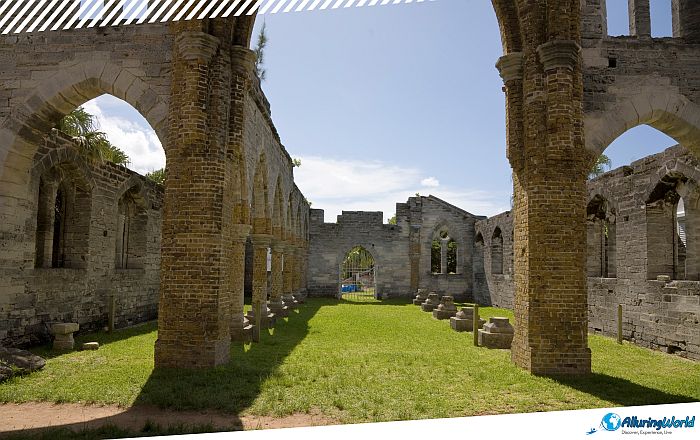
After the hurricane of 1926, the project was officially abandoned, and the church became exposed to the natural elements. Throughout the years, the tropical environment of Bermuda has taken control of its interior, turning the wooden benches into a soft carpet of lush green grass and the ceiling into a majestic dome of blue Atlantic sky.
ADVERTISEMENT
At present, the Unfinished Church belongs to the Anglican Church of Bermuda and is administered by the Bermuda National Trust. The absence of a roof, windows, and a floor has turned the Unfinished Church into an open-air cathedral, and today this venue is regarded as one of the most popular spots on earth for destination weddings due to its romantic and unique atmosphere that provides “unusual memories” to couples.
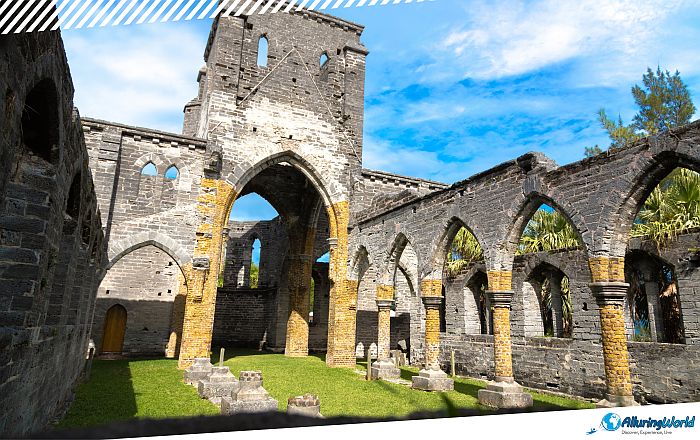
For some time already, there have been threats connected with the erosion of the monument, and from 2010 to 2013, the Unfinished Church was under significant reconstruction, which resulted in its being closed to tourists for three years, since this period was needed for masons to fix the broken arches and stabilize the limestone walls.
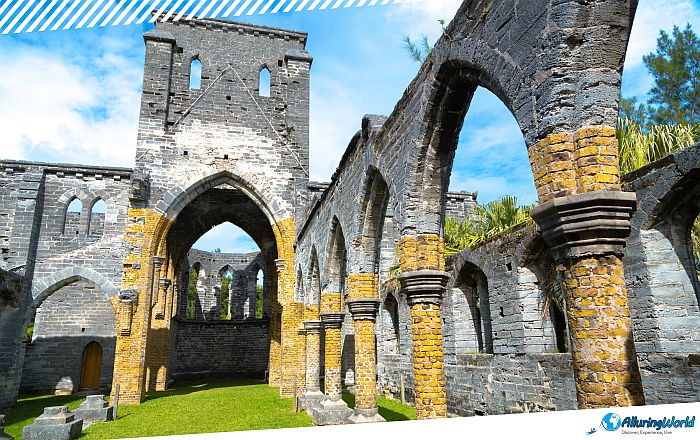
It is thanks to this successful reconstruction that people who visit the island have the opportunity to pass through the nave of the church once again. Light shining through the Gothic windows makes up an entirely distinctive Bermuda scenery, combining elements of Victorian architecture and tropical calmness. As a centerpiece of a UNESCO World Heritage Site, this roofless cathedral offers a glimpse into a grand vision that was never meant to be.
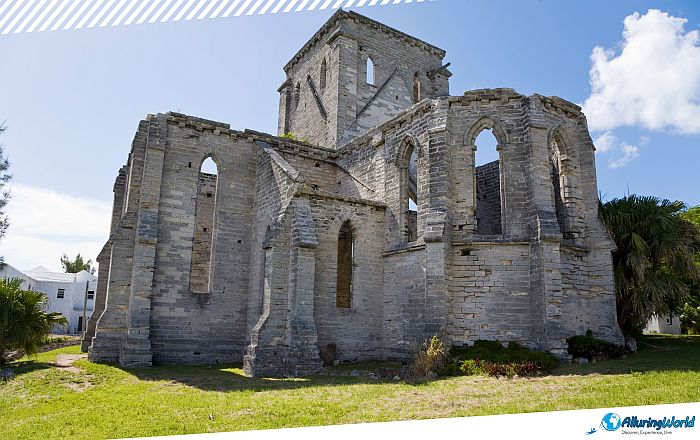
While tourists visit Bermuda for its pink sand beaches, the Unfinished Church proves to be one of the finest tourist attractions since it is a tale of humanity. It serves as a symbol of hope and the ultimate peace that people find when submitting themselves to nature. Though an “abandoned” building, it attracts more tourists than some finished monuments, making clear the beauty of being unfinished.
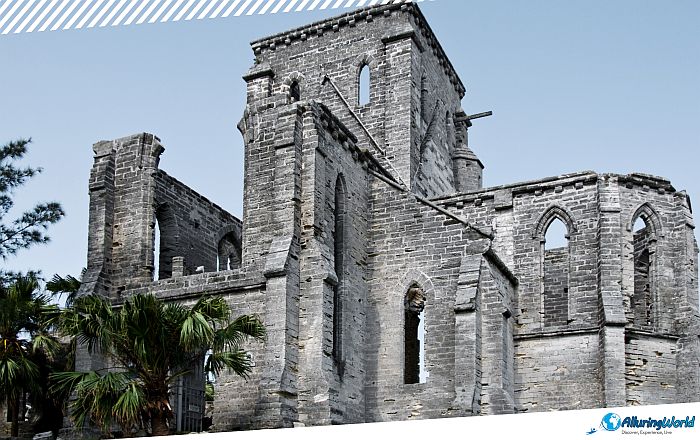
To summarize, The Unfinished Church can easily be considered as an example of the idea that beauty exists when something is unfinished. This empty but impressive structure links Bermuda’s past and its present days in terms of architecture and provides an opportunity to experience the harmony of nature and architecture in its purest form. If you happen to walk in its nave with the grass floor to observe the stunning Gothic stone arches of the church and take your time to have important events under the magnificent Atlantic sky, this place will show you that even an uncovered structure can serve as a place of worship.