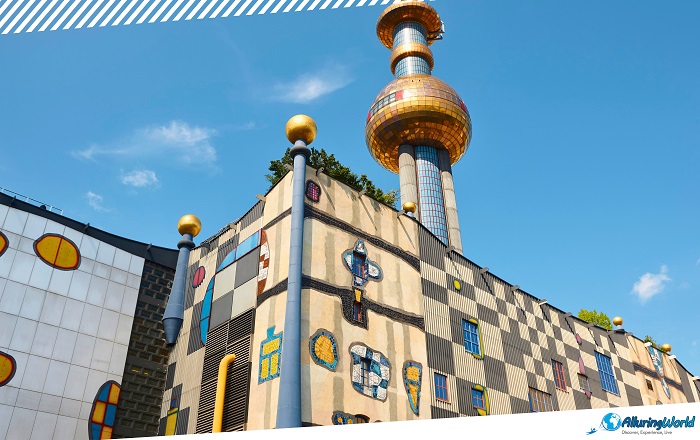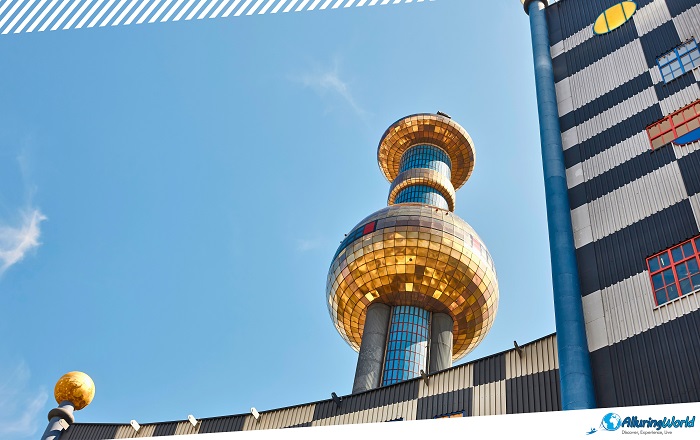
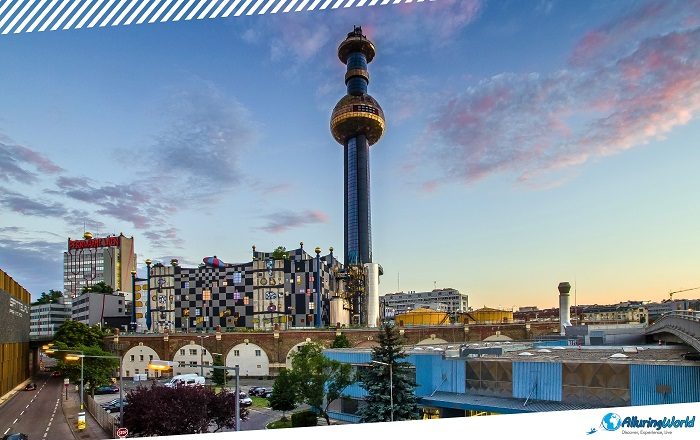
Waste-to-Energy Plant, otherwise known as Spittelau, is a futuristic energy-producing plant located in the capital city of the Republic of Austria, Vienna. As Vienna has always been committed to discharging key municipal services, such as waste management, on its own, this is one of the most interesting ways of discharging waste and producing energy at the same time.
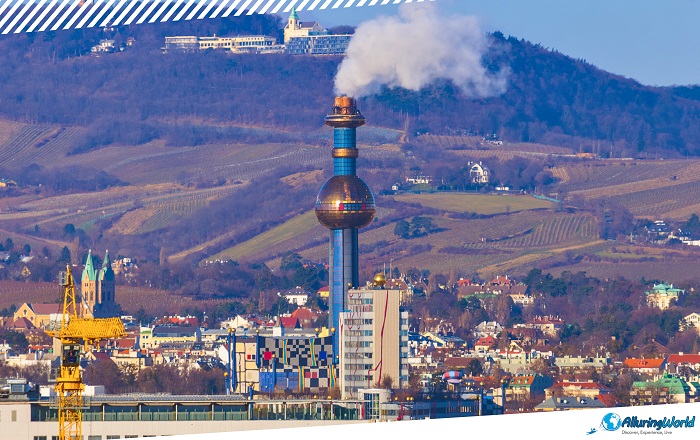
As a result, the municipal administration is not only responsible for the entire chain of waste disposal, but also handles the processing of residual waste independently, from collection to thermal treatment and, finally, depositing of the incineration residues at a municipally-owned landfill.
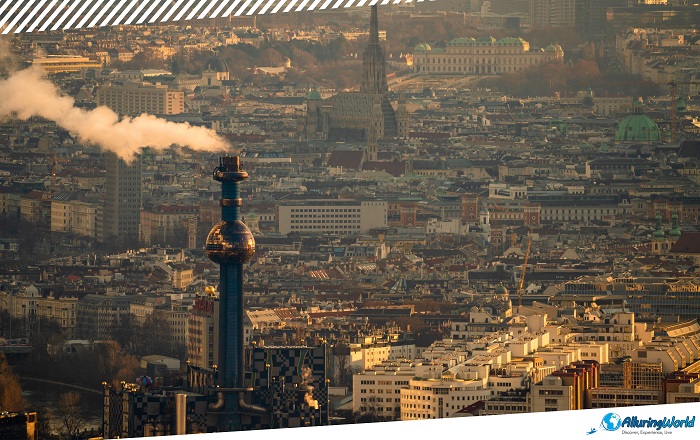
The WtE plants offer Austria a more reliable use of the waste from which the City of Vienna gains electricity. Vienna’s power plants not only provide clean energy but are also a part of the city’s skyline, with their artistic and innovative design. Tours are offered to let visitors take a peek behind the scenes of this technology and learn more about environmental and climate protection measures.
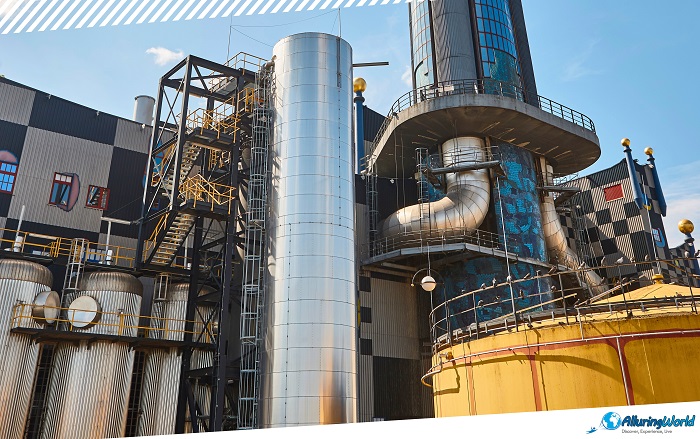
A popular photographic motif in Vienna is the Spittelau waste incineration plant, whose façade was redesigned and given its present colorful, irregular structures by eco-architect Friedensreich Hundertwasser following a major fire in 1987.
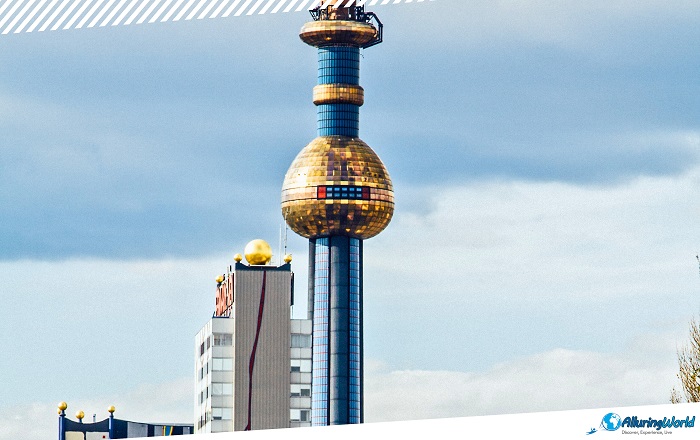
Since then, the former utility building has combined the topics of waste, energy, and art in a fascinating way. On a tour of the plant, visitors get an insight into Vienna’s waste, recycling, and disposal system, as well as the environmentally friendly generation of thermal heat and hot water.
ADVERTISEMENT
The old plant was built between 1969 and 1971. After the fire in 1987, instead of being torn down, it was rebuilt on the same site. That was the reason why the entire district heating technology was present at Spittelau, and the waste was burned exactly where it was being generated, in the middle of the city.
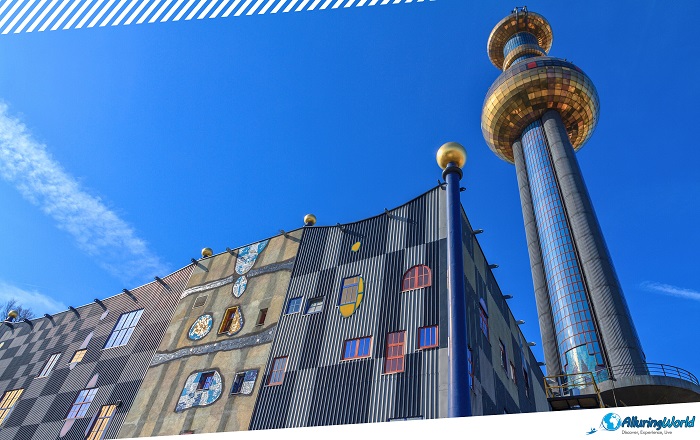
The then mayor of Vienna, Helmut Zilk, wanted Spittelau to be especially clean and to set new standards in protecting the environment, but also to be a work of art. The building was finished in 1992, and Hundertwasser has done his job perfectly, with the colorful façade, the golden ball on the chimney, the greenery on the roof, and planted trees.
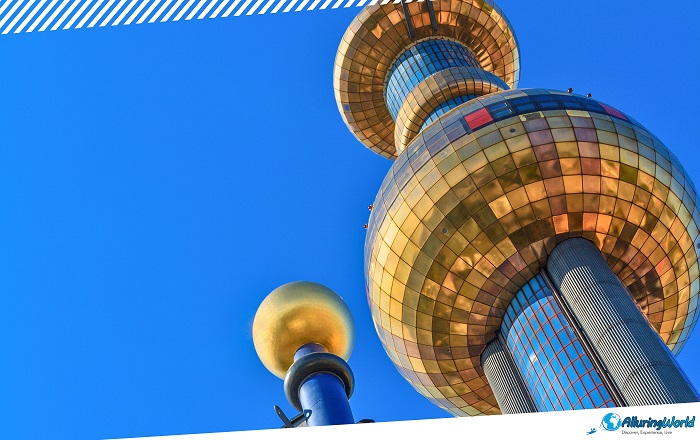
Today, the Spittelau waste incineration plant processes around 250,000 tonnes of household waste every year. The plant in the 9th district produces approximately: 40,000 MWh of electricity, 470,000 MWh of district heating, 6,000 tonnes of scrap iron, and 60,000 tonnes of clinker, ash, and filter cake.
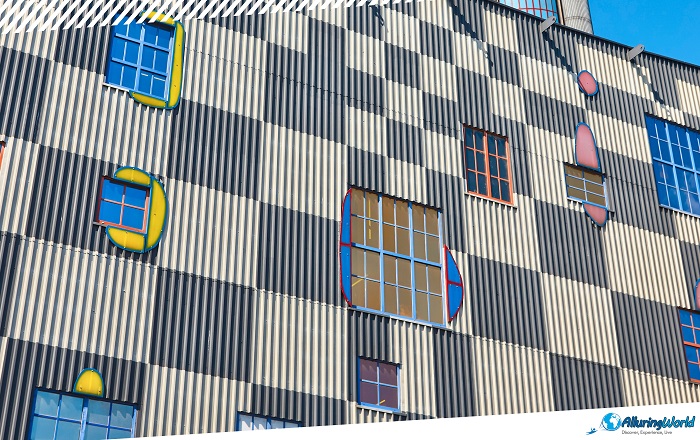
All this is enough to heat more than 60,000 households in Vienna in a year. The building is not just a masterpiece on the outside; however, it represents a revolutionary technology on the inside as well, from which the citizens of Vienna can enjoy its benefits.