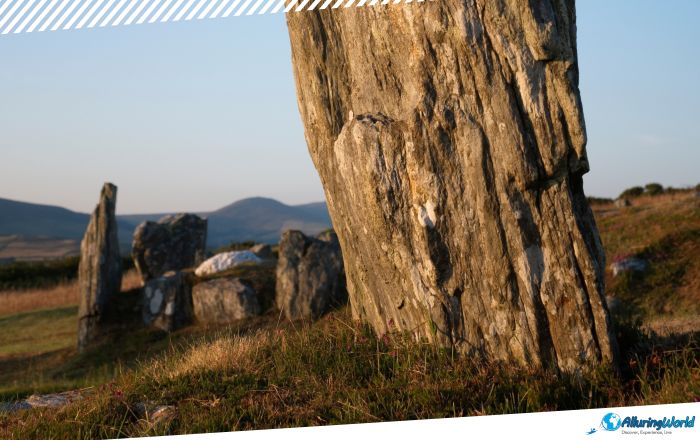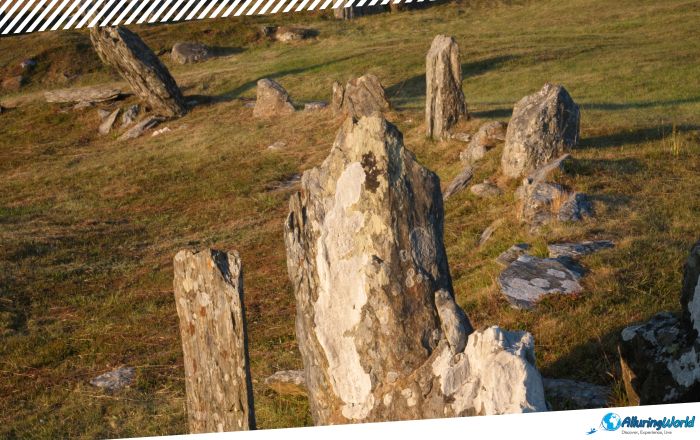
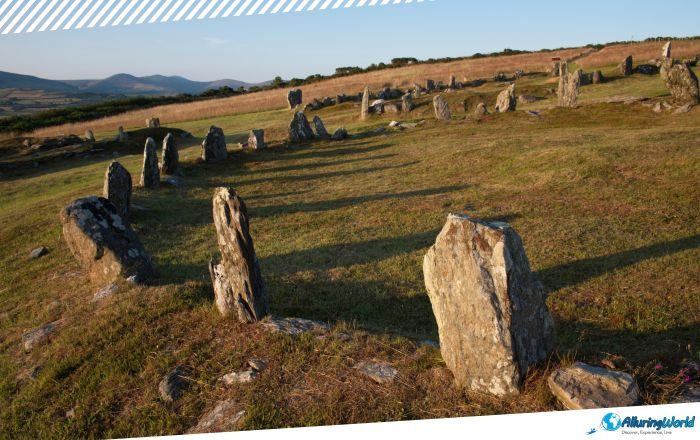
The Braaid is an Iron Age roundhouse and two Norse long houses located on the island in the Irish Sea, which is a Crown dependency of the United Kingdom, the Isle of Man. The Braaid is believed to have started as a stone circle site, although there are no certain sources that would confirm this. Later, it became a Norse farmstead set in a low valley, where good grazing land and climate were likely to have existed.
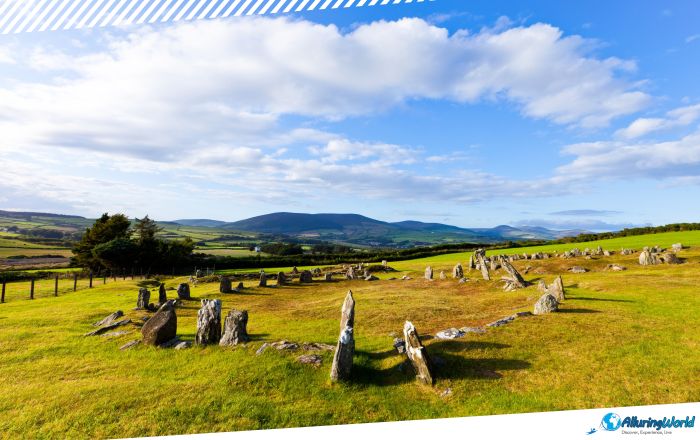
The site uniquely brings together buildings of Iron Age and Viking styles that were used together and survive down to the present. The Roundhouse was between approximately 16 and 17 metres (52 and 56 feet) in diameter, supported by large standing stones. The walls were made of stone, and the roof of turf. The Farmstead consisted of two longhouses.
ADVERTISEMENT
The largest of the two had external curved walls but no internal ones and a roof held up by posts. The second longhouse was used for cattle and other animals. There is an excellent depiction of the site on a sign provided by Manx National Heritage. It gives a clear view of the structures and their dates of occupation.
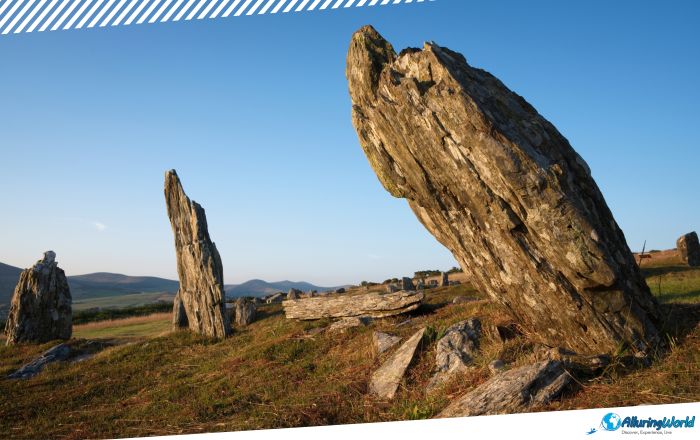
The second longhouse was about 18 by 8 metres (59 by 26 feet), and the first about 20 by 9 metres (66 by 30 feet), which was larger for its time, being more than twice the norm. Overall, the Braaid was formally excavated and interpreted in 1942 by Fleure and Dunlop, with further excavations carried out in the 1960s by Gelling. Throughout time, the Braaid has become an important historic site that talks about the Norse reach on the Isle of Man.
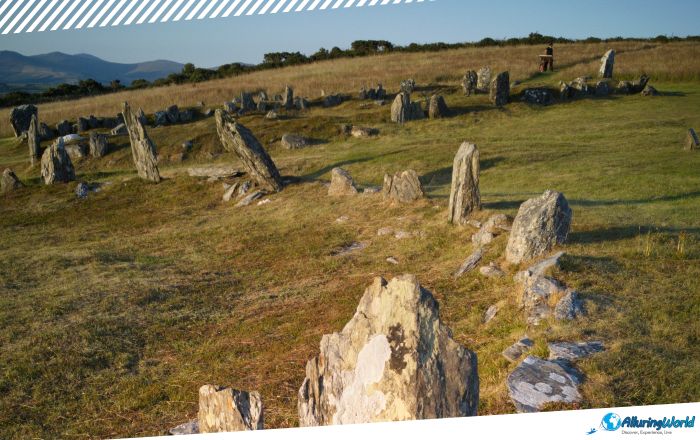
Nowadays, there are many visitors who visit this crown dependency and are getting a glimpse of its quite long history that happened here, and the Braaid’s Norse connection is something that is captivating to everyone who is interested in these types of historical places.