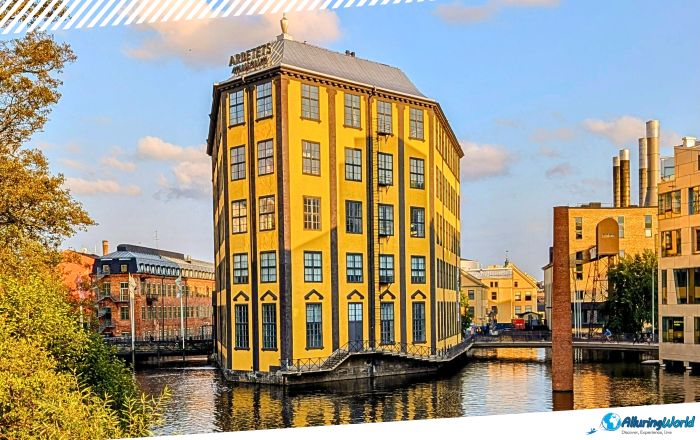
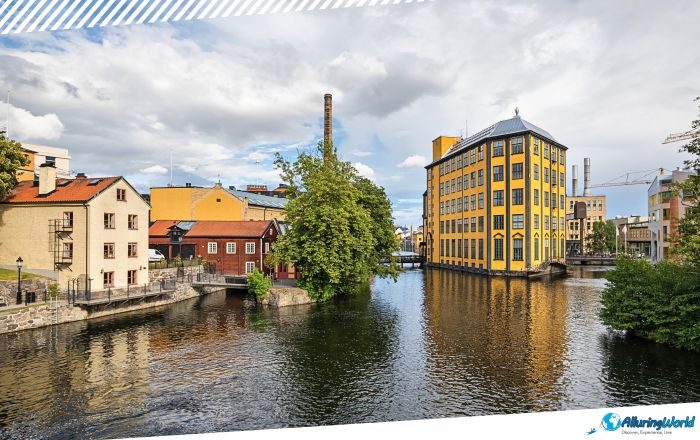
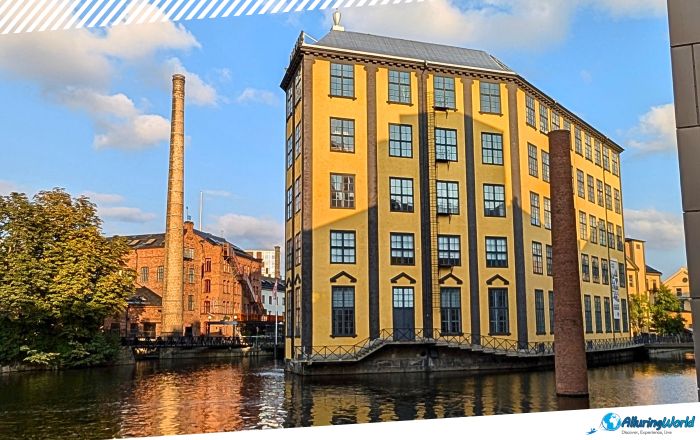
The Arbetets Museum, better known in English as the Museum of Work, is a historic and quite important museum that is located on a small island in the heart of the city of Norrköping, in the northeastern part of the province of Östergötland, within the southeastern part of the Kingdom of Sweden. Because Arbetets Museum is a nationally recognized organization, it stands in between what was once a booming industrial part of Norrköping, often called “Manchester of the North” due to its once-booming textile industry.
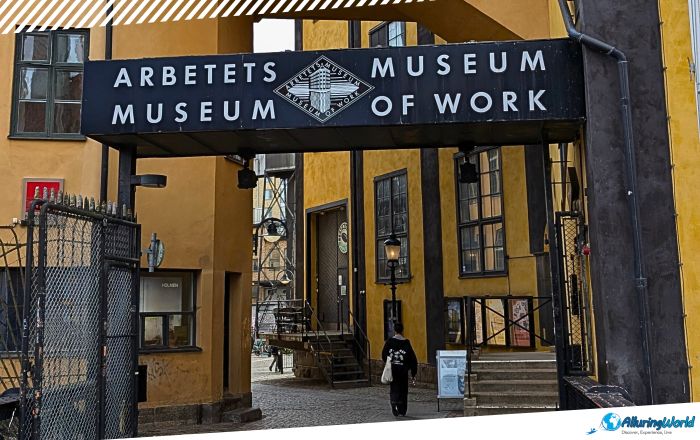
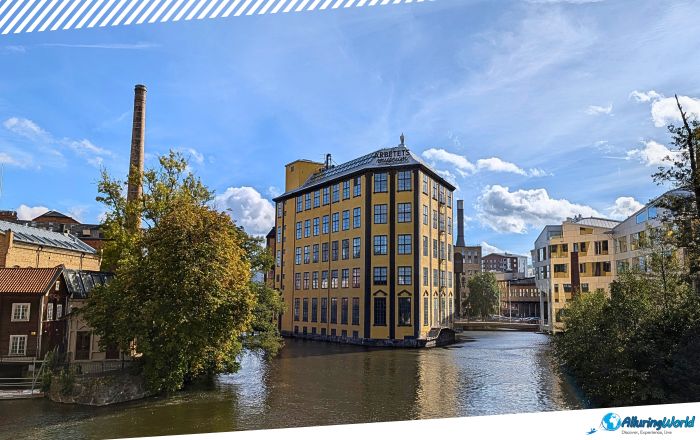
The Arbetets Museum is located more precisely inside the iconic, yellow triangular building known as Strykjärnet, and it serves as a living archive of Sweden’s labor history, social progress, and the everyday lives of workers whose stories shaped the foundations of the modern welfare state. The building was built between 1916 and 1917 from a reinforced concrete in a shape of a clothing iron, and was constructed according to the design of Folke Bensow. Set directly in the beautifully preserved Holmen Industrial Landscape, with the rushing Motala Ström river on all sides, Arbetets Museum offers an inspiring journey through Sweden’s industrial heritage and the human experiences behind it.
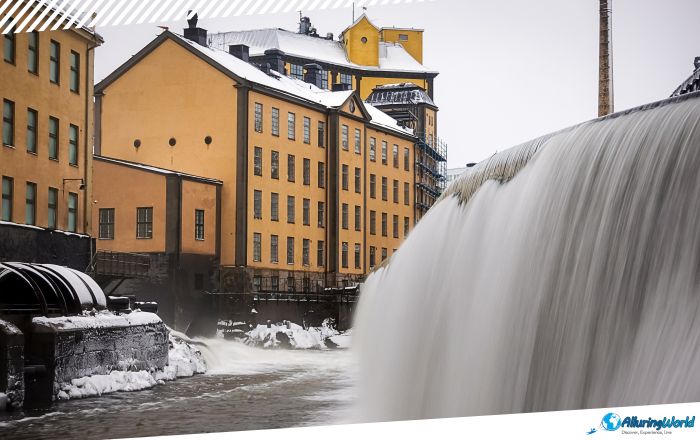
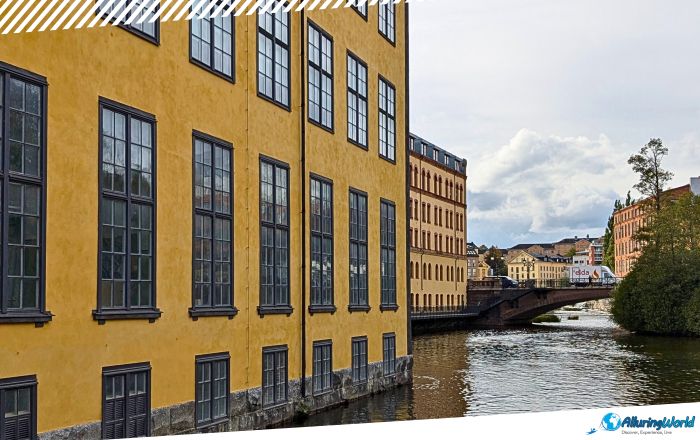
If you get the chance to visit Arbetets Museum, you are guaranteed that the setting alone will create an unforgettable visit. Since it is a free entrance, you can go in and see the exhibitions, whether permanent or temporary, and be able to share this story with other people. The museum’s building rises dramatically above the water, and it is surrounded by former textile mills, machine halls, and brick warehouses, which have been turned into different types of venues. Certain buildings have been transformed into cultural venues, universities, and creative spaces, but interestingly, the industrial spirit has been preserved, and it attracts a lot of visitors today.
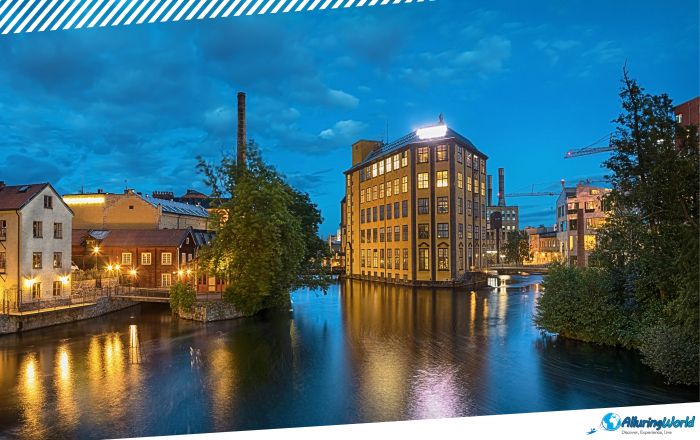
Since this atmospheric neighborhood was once the nerve center of Sweden’s textile production, it creates a seamless link between the exhibitions inside Loftet and the industrial past. As Norrköping is very proud of its past, the history still echoes through Norrköping’s cobblestone paths and gently restored factory buildings, but when you approach the museum, you will step into a uniquely immersive environment where history is not only displayed but felt.
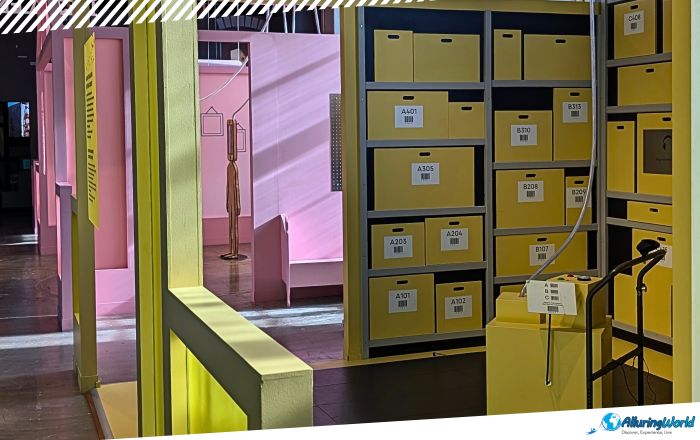
Within the Arbetets Museum, there are different exhibitions that present an impressive array of exhibition varieties that are centered on labor history, working conditions, and the evolution of society from the 19th century to today. At its core is a commitment to documenting the lives and experiences of ordinary people, mainly the focus is for the factory workers, farm laborers, craftsmen, textile weavers, and women whose work often went unrecognized in traditional historical narratives. Here, labor history isn’t presented as abstract policy or economic theory but as deeply human stories told through artifacts, documents, personal testimonies, and powerful visuals. The Arbetets Museum famously hosts a permanent exhibition about Alva Myrdal, a Nobel Peace Prize winner and a key architect of the Swedish welfare state. Her work on social engineering is a cornerstone of the “social progress” you mentioned.
Maybe one of the museum’s most compelling features is its emphasis on social documentary photography because, throughout the decades, you can see the well-curated collections that capture workplaces across Sweden. You can notice the common theme of dimly lit factories, bustling workshops, shipyards, farms, and offices. These photographs preserve the nuances of daily life and showcase the work experiences Swedish people had, such as the worn hands of a machinist, the laughter of women on textile breaks, and the fatigue on the face of a night-shift worker. Overall, the museum treats photography as a form of storytelling, thus helping visitors understand working-class realities and societal shifts in ways that are emotional, intimate, and accessible. Interestingly, the museum is a physical manifestation of the Swedish Gräv där du står (Dig where you stand) movement, which encouraged workers to research their own local history.
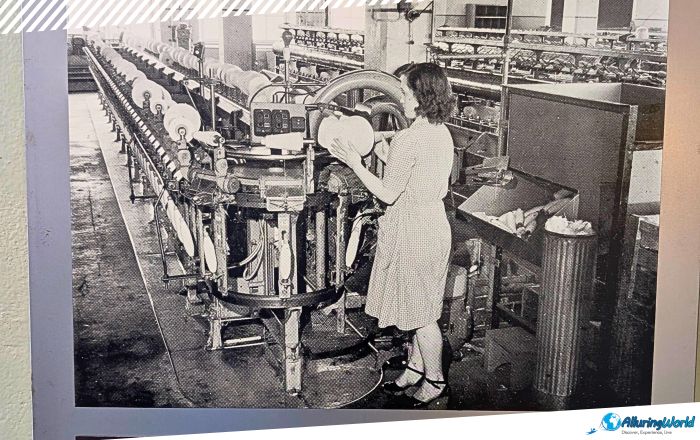
In addition to these details, the Arbetets Museum is playing an important role in the history of women in the workforce. Considering that the women were the backbone of the textile industry in Norrköping, as they were operating machines, spinning yarn, and enduring long hours in demanding conditions, the exhibitions concentrate on these details too. These exhibitions explore the women’s contributions to the development of the region and country as well, and the women are shown in the exhibitions inside and outside the factories, revealing how women’s labor shaped communities, households, and ultimately Sweden’s path toward gender equality. Through diaries, interviews, and preserved tools, you will get a deeper understanding of these women’s resilience, but most importantly, the essential roles they played in shaping the nation’s industrial and social development.
ADVERTISEMENT
Given its location, the Arbetets Museum naturally has strong ties to the textile industry, and this can be seen through the exhibits, which feature early weaving machines, fabric samples, mechanical tools, and animated visualizations that allow visitors to understand how industrial production functioned in the city’s booming textile era. As you move throughout the different floors of the building, you can hear the historic soundscapes, exactly as the people working in the factories would hear, and this would help you imagine the workforce that once powered the region’s economy. These sounds were steam engines, spinning machines, and clattering looms. To top it all, there are also interactive displays that allow you to explore the evolution of textile technology, the harsh realities of factory life, and even the broader economic networks that once defined Norrköping.

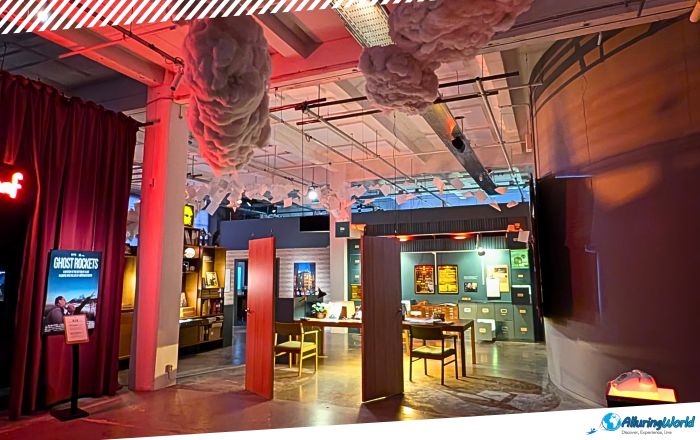
What sets Arbetets Museum apart is its modern approach to storytelling, something that is not seen in other museums. The people who created the exhibition did not want to rely solely on static displays, but instead decided to incorporate digital tools and immersive visualization techniques. There are certain sections where you can listen to first-person stories, explore digital archives, watch documentary films, and engage with interactive exhibits that ask questions about the meaning of work today. All of these details bring the immersive experience for you and leave you with an amazing feeling that you’ve learned something.
Beyond its exhibitions, the museum holds significant national importance. While firmly rooted in Norrköping’s industrial environment, Arbetets Museum is a national institution with a mandate to collect stories and artifacts from across Sweden. The museum collaborates with regional museums, labor unions, and international organizations, as this would help expand the exhibitions and present an even broader perspective on working life. Some temporary exhibitions often address global labor issues, contemporary workplace debates, and cross-cultural themes, which makes the Arbetets Museum even more important.

When you visit the museum, you will notice immediately the Industrial Landscape that surrounds the museum, and it enhances your experience. To make sure that you get the most out of Norrköping, you can walk directly from Strykjärnet into a world of preserved factories, historic bridges, stone walkways, and scenic riverside viewpoints. Many travelers describe this area as one of Sweden’s most atmospheric urban environments, which is perhaps one of the most memorable ones. The Arbetets Museum is surrounded by cafés, galleries, universities, and craft shops, which occupy spaces once filled with machines and factory workers, making it an ideal place to spend an entire day exploring.

Considering the important work the Arbetets Museum does, the museum is equally committed to education and outreach as well. It runs programs for schools, hosts workshops and lectures, and supports academic research through its archives and collections. The most important role the museum plays is the conservation efforts that focus on preserving fragile photographs, documents, and artifacts. Since these objects tell the story of Sweden’s labor evolution, through digitization initiatives, the museum ensures that these invaluable materials are accessible to future generations.
There is no bad time for you to visit the Arbetets Museum, and you can visit it during any period, although it is recommended to explore it from spring through autumn, when the Industrial Landscape is at its most picturesque, and the riverside walkways are filled with sunlight. You can combine the walk to the Arbetets Museum with the other sights in Norrköping, so that you will get the most out of the city.
In essence, Arbetets museum is far more than a traditional museum. This museum is a vibrant space that celebrates human resilience, creativity, and the dignity of work. It captures the essence of Sweden’s industrial heritage while encouraging visitors to reflect on the present and future of working life. Whether you’re a history lover, a photography enthusiast, or a traveler seeking deeper cultural insight, this museum offers an inspiring experience that reveals the stories behind the structures, machines, and people who transformed a city and a nation as well.