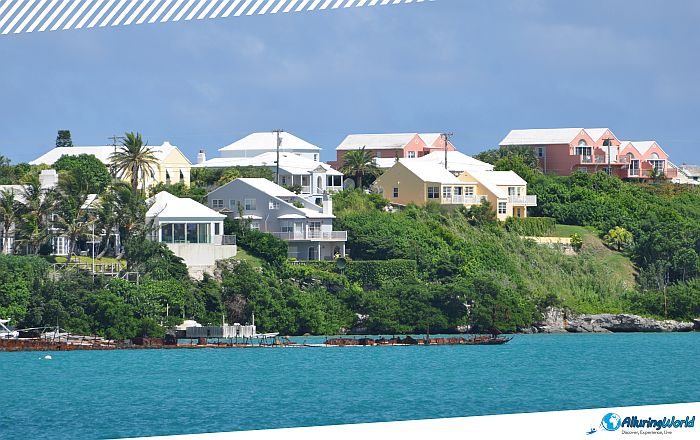
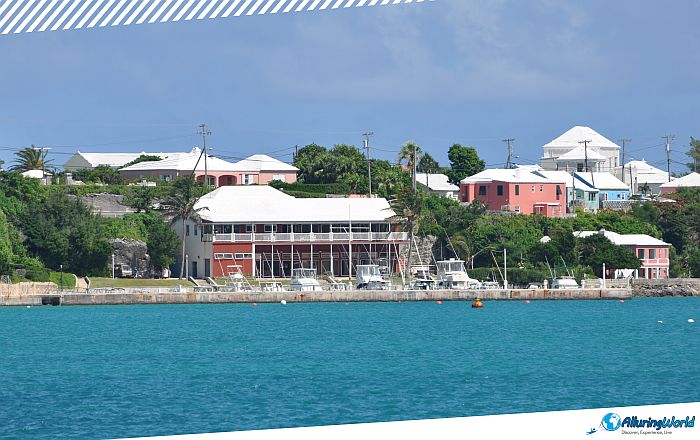
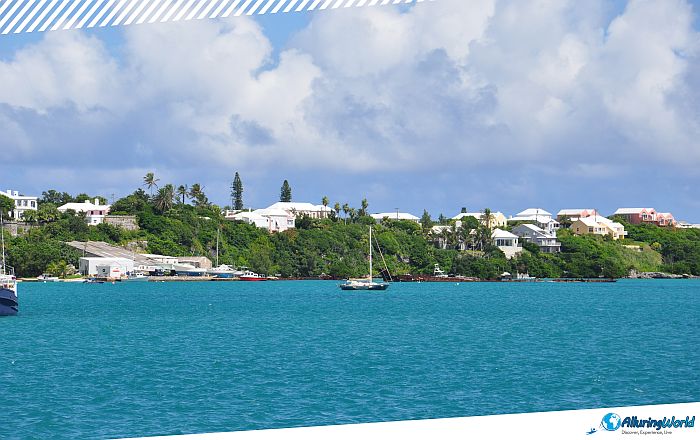
St. George’s, officially known as the Town of Saint George or Saint George’s Town, is the first permanent English settlement found on the northeastern tip of the Bermuda archipelago, within the British island territory in the North Atlantic Ocean, the Bermuda Islands.
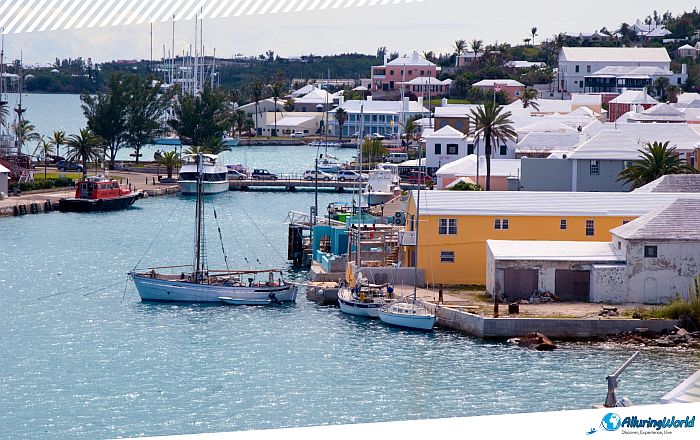
Step off the modern cruise ships and into a time capsule. St. George’s, officially known as the Town of Saint George, is the first permanent English settlement on the islands of Bermuda. Generally recognized as the oldest continually inhabited British settlement in the New World, this historic gem is where the entire story of Bermuda began.
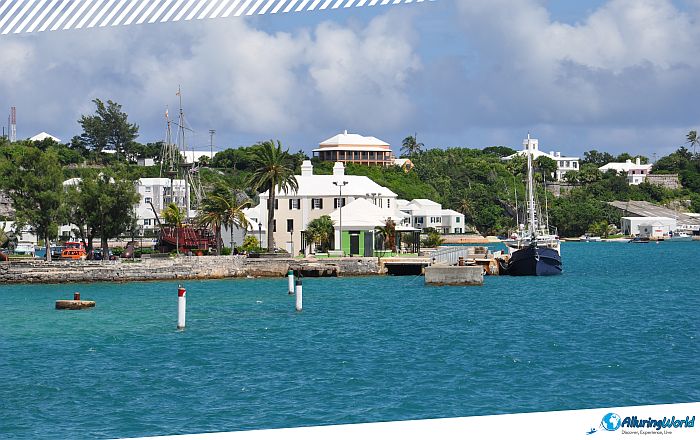
The history of Bermuda is associated with the tragic event at sea. The English ship called the Sea Venture, heading to Jamestown, Virginia, faced a severe storm in 1609. The captain had no choice but to run the ship aground on the reefs of Bermuda in order to save the people aboard.
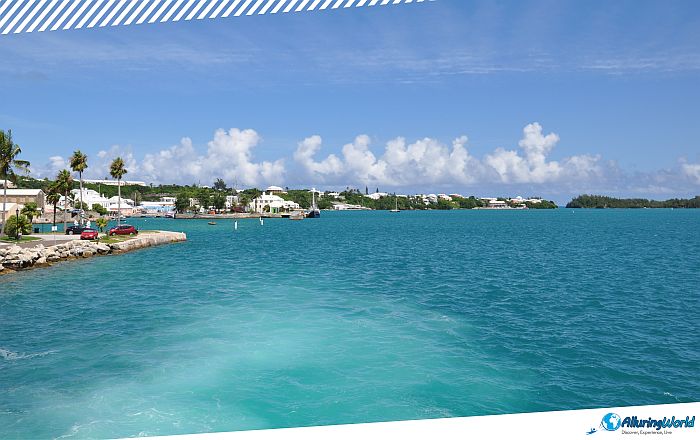
While most of the survivors eventually constructed two new ships from local cedar to finish their journey to Virginia, a few individuals decided to stay behind. In 1612, St. George’s was officially settled, serving as the capital of Bermuda for over two centuries until it was moved to Hamilton in 1815.
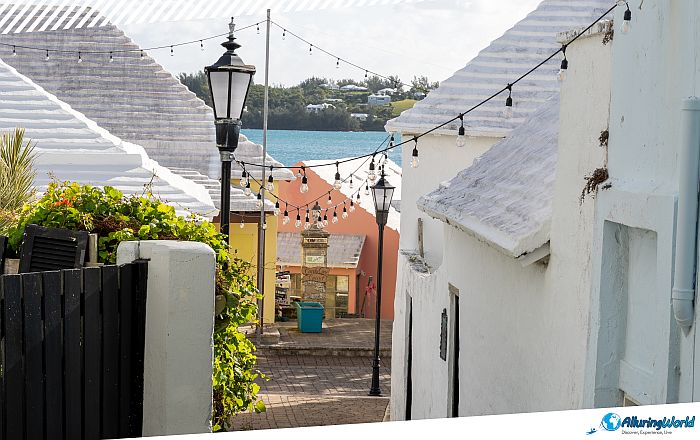
Because the town was laid out long before the advent of modern automobiles, the lanes in St. George’s are uniquely narrow—originally wide enough just for horses and carriages. These winding paths still retain their original, whimsical 17th-century names, often referencing local characters and folklore:
- Printers Alley: Home to the island’s earliest printing presses.
- Aunt Peggy’s Lane: Named after a legendary enslaved woman who lived a remarkably long life. Aunt Peggy was famous for keeping a watchful eye on the town from her window, chatting freely with all the locals, sailors, and traders passing by.
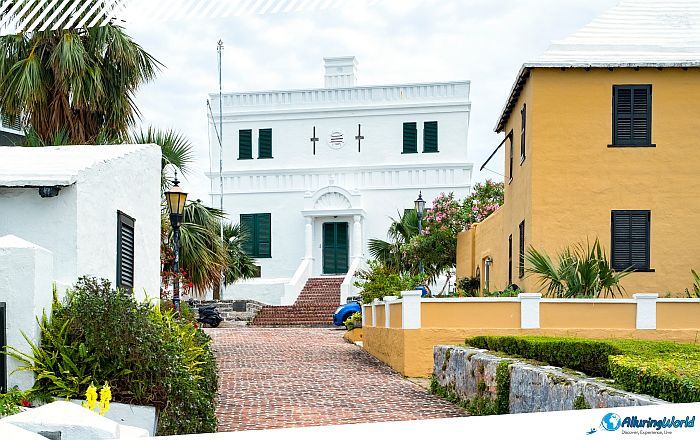
The historical density of this town is why UNESCO designated the Historic Town of St. George and its Related Fortifications as a World Heritage Site in 2000. Here are the top historic places you cannot miss:
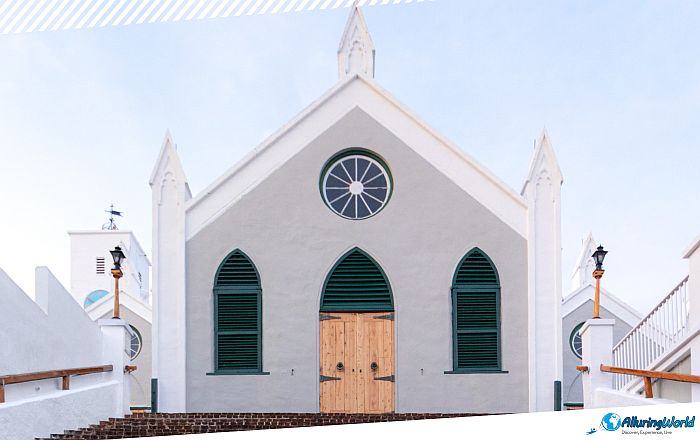
- St. Peter’s Church: Established in 1612, their Majesties’ Chapel, St. Peter’s Church, is the oldest Anglican and oldest Protestant church in continuous use in the Western Hemisphere. Enter this church and marvel at its visible Bermuda cedar beams, ancient 17th-century altar, and beautifully preserved historical graveyards, which recount the rich history of Bermuda’s varied ancestry.
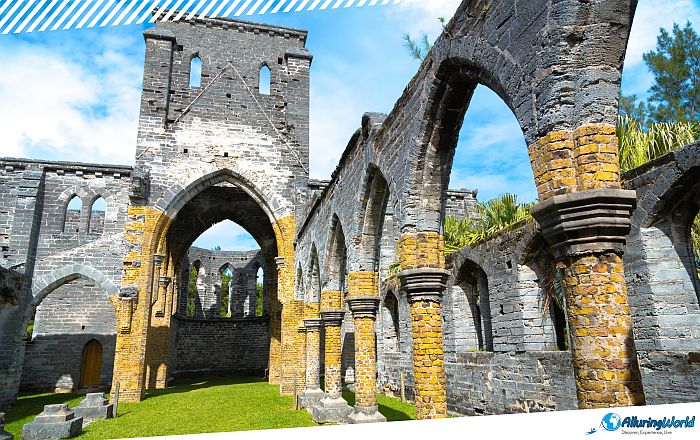
- The Unfinished Church: Positioned impressively at the top of a hill with an overlook of the entire town is the Unfinished Church. Constructed in 1874 to take the place of an old St. Peter’s, which was destroyed in a hurricane, the construction process was halted as a result of disagreements among the members and a lack of money.
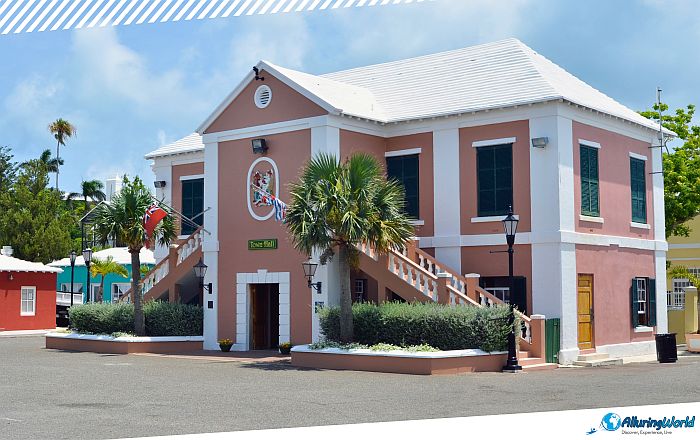
- The State House and Tucker House: The State House was erected in 1620, and it is the oldest stone structure in Bermuda, which was used as the residence of the island’s parliament for almost two hundred years. In the proximity of the State House, the Tucker House Museum gives a glimpse into the lifestyle of the 18th century through its displays of antiques and cedar furniture.
ADVERTISEMENT
For travelers making the journey to the East End of Bermuda, the town offers far more than just static museum exhibits. You should consider experiencing the King’s Square Reenactments. The center of the town is King’s Square, which got its name in honor of King George III. Throughout the year, visitors have an opportunity to witness live interactive 18th-century history presentations. There is even a town crier wearing authentic attire, who conducts entertaining performances using authentic stocks, pillories, and ducking stool trials for punishing nagging wenches and sailors.
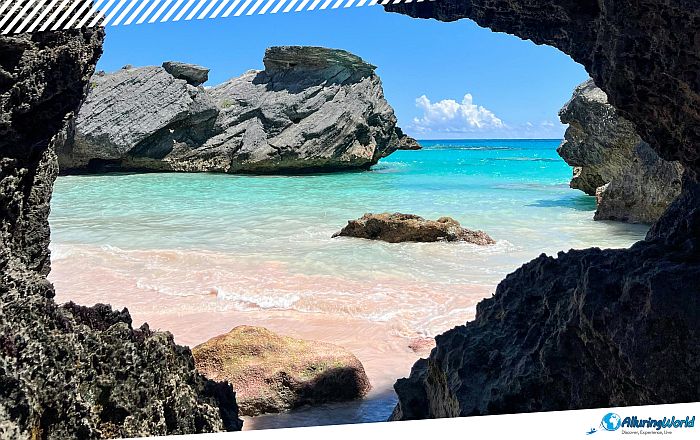
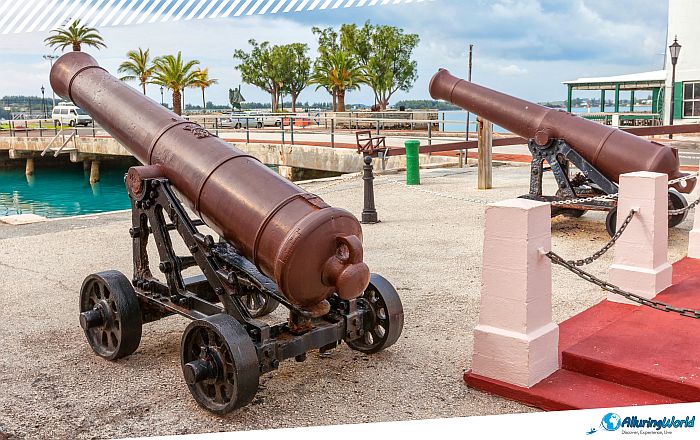
Located a short distance from the town center at the northernmost tip of the island, Fort St. Catherine sits. This massive coastal fortress boasts an underground maze of stone tunnels, munitions rooms, and an impressive collection of historic British artillery pieces. It offers panoramic ocean views over the very beach where the Sea Venture survivors first crawled ashore. After a morning of walking the cobblestone streets, take a 15-minute stroll north to Tobacco Bay Beach. Famous for its dramatic, towering limestone rock formations jutting out of the sea, this sheltered bay is one of Bermuda’s premier snorkeling spots.
Historical Trivia: This beach was an important part of the American Revolutionary War. In the year 1775, Bermudian supporters took gunpowder barrels from the St. George’s magazine and carried them across the hills to Tobacco Bay to load them on American ships. This gunpowder was crucial for George Washington’s Continental Army.
The annual events that can be found at St. George’s are: The Peppercorn Ceremony – this is an event happening in April, and it is a spectacular display of British military pomp and pageantry where Freemasons pay the annual rent of one literal peppercorn for the use of the historic State House. Another important event that should be considered is the Bermuda National Trust Christmas Walk, happening every December, and this is a magical evening where the entire town is candle-lit, historic homes open to the public, and local carolers fill the narrow alleyways.
- Getting Around: The historical center of St. George’s is highly walkable. Motorized vehicle rentals are restricted for tourists on the island, so the best way to explore the outlying forts and beaches is by renting an E-bike or taking a local minibus.
- Best Time to Visit: To experience the town at its liveliest, aim to visit on days when the historical reenactments take place in King’s Square. Spring and autumn offer beautiful weather with fewer cruise ship crowds than peak summer.
- Don’t Miss: Take a sensory detour to the Lili Bermuda Perfumery located on Duke of York Street. Housed in a historic 1730s property, they create internationally acclaimed, boutique perfumes inspired by the natural flora of the island.
In conclusion, St. George is much more than that; it is alive and well, and it is the beating heart of Bermuda itself. Since its accidental formation following the wreck of the Sea Venture ship, St. George has remained both a place that retains all its magic from the times of the 17th century and a place where modern tourists are warmly welcomed.
Whether you find yourself retracing the path taken by the early settlers down Aunt Peggy’s Lane, discovering the secrets of the revolution era in Tobacco Bay, or experiencing the excitement of the colonial era at King’s Square, St. George’s will have left its mark on anyone who visits its winding roads. A reminder that the rest of the world may be speeding up, but the greatest vacation experiences can still be had by going back in time.