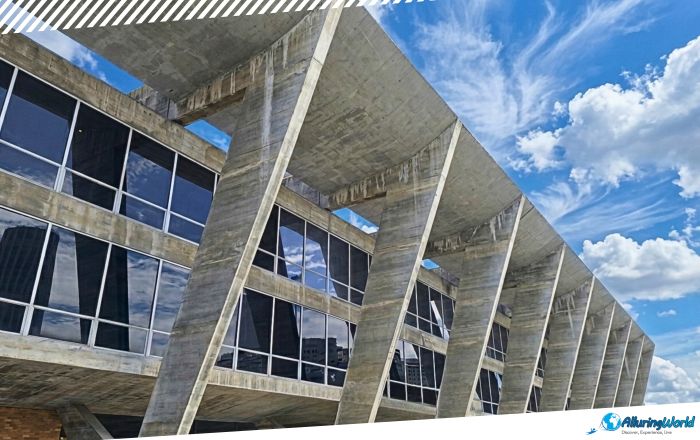
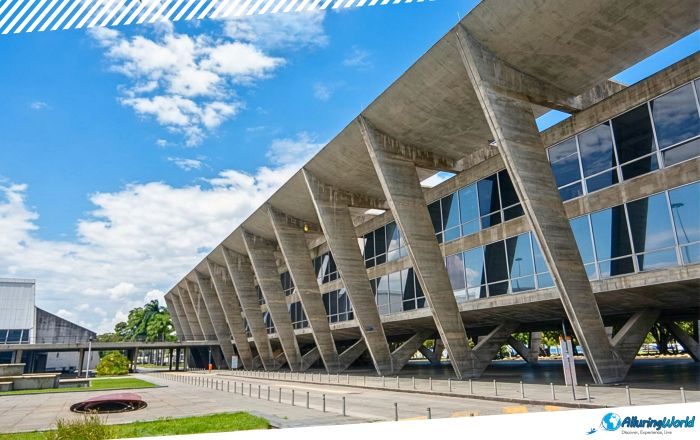
The Museu de Arte Moderna do Rio de Janeiro, most commonly referred to as MAM Rio, is an exceptional and quite iconic museum located in the northeastern part of Flamengo Park, in the eastern part of the city of Rio de Janeiro, the capital of the State of Rio de Janeiro, within the southeastern part of the Federative Republic of Brazil. Serving as one of Brazil’s most iconic cultural institutions, this museum is a striking blend of modernist architecture, artistic innovation, and an inspiring story of endurance.
The shimmering Guanabara Bay frames the museum, and it is the official place for contemporary creativity and a place that rewards art lovers and curious travelers. Due to its unique location and blend of architecture and nature, MAM Rio offers one of the most interesting and unique experiences where art, nature, and architecture flow seamlessly into one unforgettable visit.
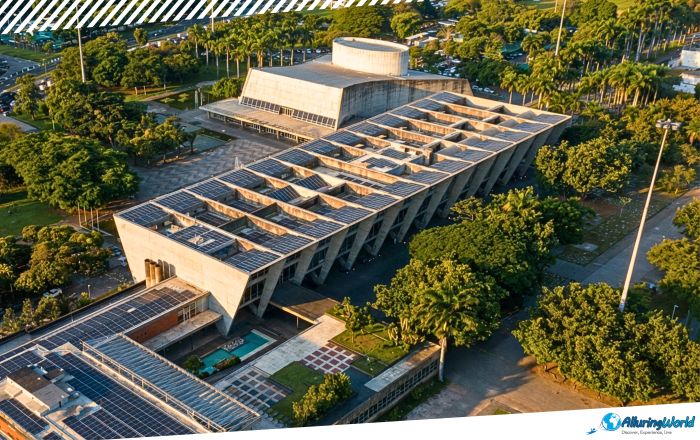
The museum’s privileged location within Roberto Burle Marx’s sweeping Flamengo Park places it at the heart of Rio’s public life. Considered to be one of the most important art institutions that can be found in Latin America, MAM Rio has long been devoted to researching, exhibiting, and preserving modern and contemporary art from Brazil and the world. To top it all, the deep integration the building has with the natural landscape creates a setting where the unique concrete geometry and lush vegetation coexist gracefully, thus inviting visitors to engage with art both indoors and outdoors.
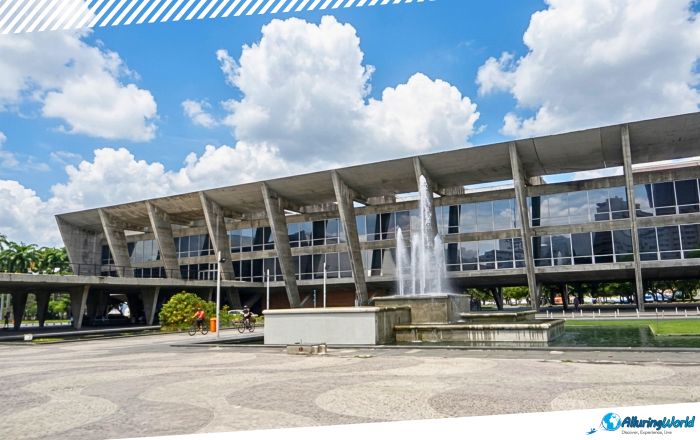
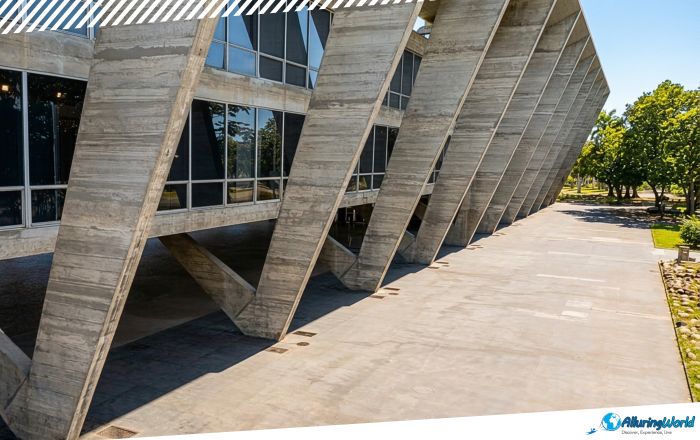
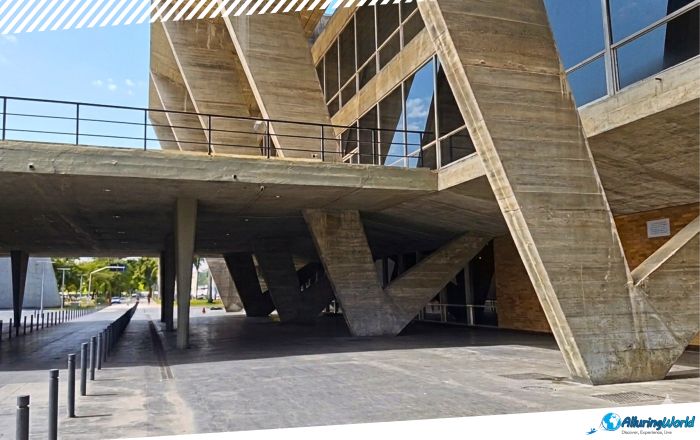
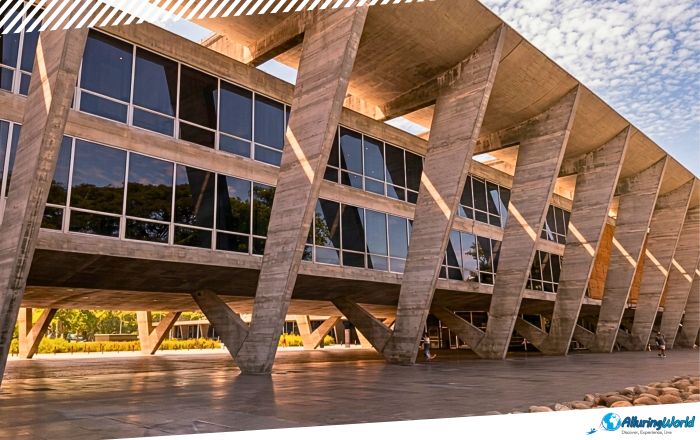
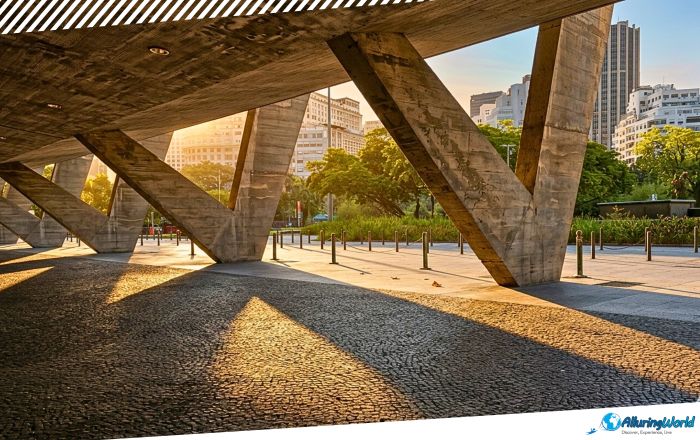
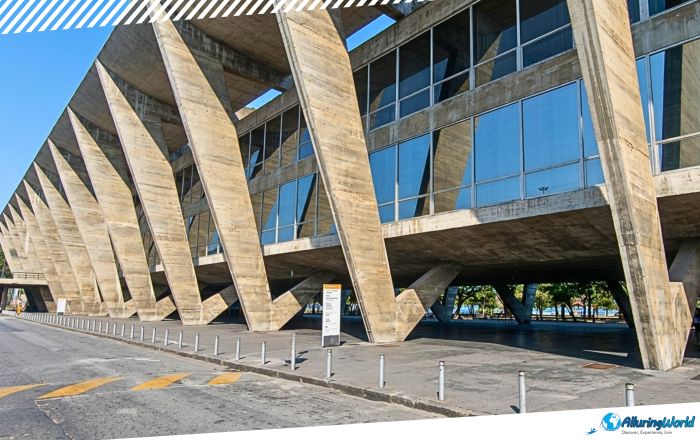
Designed by one of Brazil’s most influential modernist architects, Affonso Eduardo Reidy, the museum’s building is itself a masterpiece. Constructed between 1954 and 1960, it showcases the bold principles of Brazilian modernism, which are open, airy, monumental, and designed with the public in mind. The structure rises lightly on its external pilotis, creating an expansive open floor beneath the main body of the building. This design allows the museum to merge seamlessly with the surrounding park, as it offers shaded public spaces and clear sightlines to the bay and even mountains beyond.
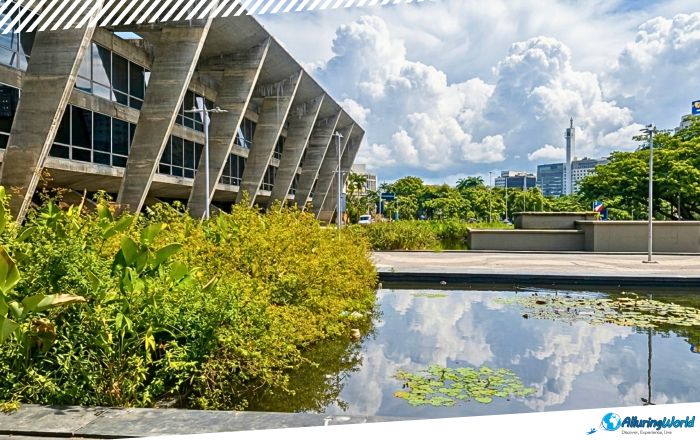
Reidy’s dramatic cantilevered roof, supported by massive external beams, provides a wide, flexible interior gallery space that can adapt to exhibitions of all scales and styles. The façades are equipped with vertical, movable brise-soleil, sun breakers, which are ingeniously designed to control Brazil’s intense sunlight without sacrificing views of the coast. Each of the building’s details reflects the modernist faith in functionality, openness, and harmony with the environment.
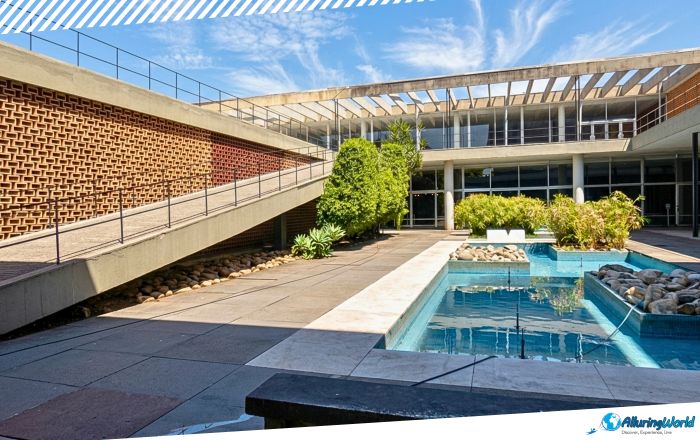
Additionally, the museum’s grounds were designed by world-renowned landscape architect Roberto Burle Marx, whose approach emphasized native Brazilian vegetation, organic forms, and the careful interplay of greenery and built structures. The collaboration between Reidy and Burle Marx created one of the most memorable architectural landscapes in Rio, a place where art, architecture, and nature share equal importance.
ADVERTISEMENT
When we move inward and see MAM Rio’s collection, we can notice that it holds an impressive selection of modern and contemporary works from the 20th century to today. Unfortunately, its history is marked by one of the greatest tragedies in the art world. A devastating fire that occurred in July 1978 destroyed a significant portion of the museum’s holdings, and this included irreplaceable pieces by Picasso, Dalí, Miró, and countless Brazilian artists. As the loss was quite immense, until today it is considered one of the largest cultural catastrophes in Latin American museum history.
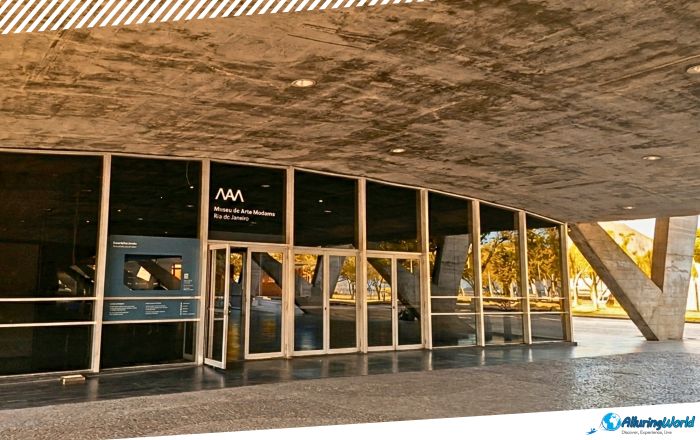
Yet, the tragedy also revealed the extraordinary resilience and determination of the Brazilian art community. The structure, built with robust modernist engineering, survived the fire, and the rebuilding of the collection began almost immediately. There were numerous donations that poured in from collectors, artists, and institutions, consequently marking a decisive moment of solidarity. As time passed, MAM Rio managed to be rebuilt, bring back its previous identity, and it even went further in focusing on expanding its post-1978 holdings. The end goal was for the institution to be established as a hub for contemporary Brazilian artistic expression.
Beyond its exhibitions, MAM Rio plays a vital educational and cultural role. The museum is home to an important cinematheque dedicated to the preservation, study, and screening of films from Brazil and around the world. It also hosts a library, workshops, study programs, and outreach initiatives aimed at making art accessible to all audiences. Today, the museum represents the cultural heartbeat of Rio, which, in fact, is an open space for dialogue, experimentation, and learning.
All of its exhibitions are always curated to challenge, inspire, and often provoke the general public, further showcasing established and emerging artists who shape the evolving narrative of contemporary art. Its location is perfect if you would like to pair a day of artistic immersion with outdoor leisure, creating an experience that is unique to Rio’s vibrant spirit.
But as MAM Rio is not stopping with its work, it remains dedicated to strengthening its role as a center of art and education. Despite being privately managed, the museum continues to rely on public support, sponsorships, and visitor engagement so that it can maintain its operations and preserve Reidy’s iconic architecture. There are some efforts today that focus on sustainability, structural care for its modernist materials, and the continued development of its collection, henceforth ensuring the museum remains an essential cultural pillar for future generations.
In conclusion, the Museum of Modern Art in Rio stands as a place where different authors proudly display art. Its architecture, history, and collection tell a compelling story that continues to influence Brazil’s artistic landscape today. If you are visiting Rio de Janeiro, make sure that you add MAM Rio to your must-visit list, as you will be stunned by the impressive collaboration of architecture and nature, thus offering you an experience that stays with you long after you leave.