
Read time ca. 10 minutes
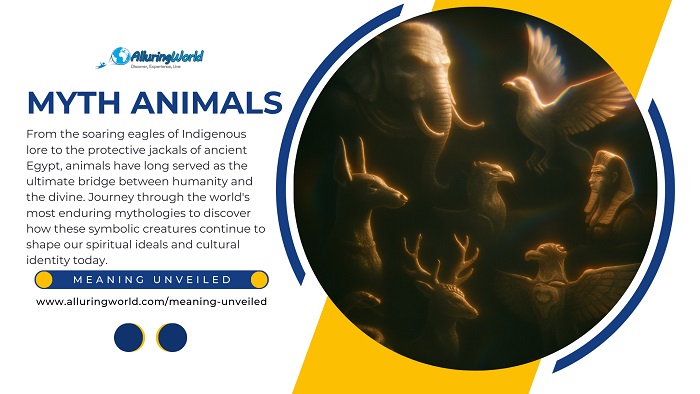
Animals have always played a central role in the world of mythologies, and for thousands of years, they shaped the creation of stories, guiding moral lessons, and embodying spiritual ideals. Civilizations across continents used animals as symbols of strength, wisdom, death, rebirth, and the unknown forces of nature. Whether depicted as divine messengers, protectors, or supernatural beings, their symbolic value mirrored how ancient societies understood the world and humanity’s place within it. When we explore the stories and meanings behind these animal figures, we can get an insight into the historical references and also a deeper appreciation of how the symbolism that we associate with the animals continues to influence our culture today.
Animals in Ancient Egyptian Belief Systems:
Well known for its extensive use of animal figures, the Egyptian mythology has managed to use the animals as a divine representation and also represent them in everyday life. Animals were not mere decorative elements; they symbolized cosmic principles and spiritual truths. The Egyptians observed the behavior of each species and linked their traits to qualities they admired or feared. As a result of this observation, the deities the ancient Egyptians admired were often shown in hybrid form, as they combined human and animal characteristics to express divine attributes.
For example, the falcon symbolized vision, swiftness, and celestial power. By embodying Horus with a falcon’s head, ancient Egyptians connected the sky’s vastness with leadership and royal legitimacy. The jackal that was associated with Anubis represented protection during death rituals, and this was due to the jackals often lingering near burial sites. This made the Egyptians associate this animal with guardianship. Among her many roles, the goddess Hathor had the role of protector of motherhood and emotional well-being, and since the cow symbolized fertility and nurturing, the ancient Egyptians linked this with her. These symbolic connections reveal the depth of meaning encoded into Egypt’s animal-based iconography.
Animal Symbolism in Mesopotamian Traditions:
In Mesopotamian civilizations such as Sumer, Akkad, Babylon, and Assyria, animals frequently appeared as spiritual symbols in myths and royal narratives. The people who lived in the Tigris and Euphrates region relied heavily on natural cycles, so as a result of this, their mythologies reflected this connection to the environment. Animals served as metaphors for forces that shaped their survival, from storms to war to agriculture.
The bull was one of the most powerful symbols in Mesopotamian belief. It represented physical power, fertility, and the enduring force of kingship. Bulls appear on cylinder seals, temple carvings, and stories of divine heroes. Lions, as another important animal during Mesopotamian times, carried a similar meaning because they symbolized protective strength and destructive potential. Often depicted alongside rulers to convey authority, the lions had an important role in showcasing the Mesopotamian rulers as strong and powerful humans. The serpents, on the other hand, held dual roles in mythology because they could embody chaos or serve as guardians, depending on the context. This quite complex symbolism only highlights how Mesopotamian societies viewed animals as mirrors for human strengths and vulnerabilities.
Animals in Ancient Chinese Cosmology:
Ancient Chinese mythology placed animals at the heart of cosmology, religious practice, and philosophical symbolism. Rather than being tied solely to divine beings, just like the Mesopotamians and ancient Egyptians, animals in the Chinese cosmology are represented as elemental forces that maintain harmony in the universe. Their symbolic meaning is often connected to values such as loyalty, protection, and wisdom.
The dragon, for instance, remains one of China’s most iconic mythological creatures. Unlike Western depictions of dragons as destructive, Chinese dragons symbolized imperial authority, rainfall, and life-sustaining power, and they were seen as an embodiment of cosmic balance, which emperors used to signify legitimate rule. The phoenix, as another example, represented renewal, virtue, and enduring grace, and often appeared in myths about rebirth and spiritual transformation. The tortoise, on the other hand, symbolized longevity and stability because of its lifespan and their sturdy shells, which serve as a great protection for them. These symbolic associations reveal how Chinese mythology used animals to express ideals related to harmony, resilience, and moral integrity.
Animal Figures in Hindu Mythological Narratives:
There are numerous sacred texts, epic stories, and devotional imagery in Hindu mythology that depict animals as they explain or give connotations to a deeper philosophical meanings. Many animals represent divine energies or serve as vehicles for gods, as they demonstrate their importance in the spiritual life. Quite often, their roles convey connections between nature and the divine, pointing out the responsibility humans have to treat all life with respect.
For example, the monkey appears in the stories of Hanuman, a figure symbolizing loyalty, courage, and devotion. Elephants, associated with Ganesha, represent wisdom, mental clarity, and the removal of obstacles. The serpent (naga) incorporates earthly and cosmic powers, and these are often represented by the cycles of time or sometimes the natural forces. Perhaps one of the most respected animals in the Hindu culture is the cow. The cows hold a deeply revered position in Hindu culture and mythology because they symbolize sustenance, nourishment, and life itself. These symbolic meanings only highlight how Hindu mythology integrates animals into its spiritual teachings about virtue, protection, and humanity’s ethical obligations, and teaches us to respect and appreciate them more.
Animals in Indigenous North American Belief Systems:
Indigenous cultures of North America have rich traditions in which animals serve as teachers, guides, and guardians. These societies developed systems of meaning rooted in close observation of nature, and each animal contributed to the moral and spiritual teachings passed down through generations.
The eagle represents strength, vision, and a connection to the spiritual world, so its ability to soar at great heights made it a messenger between the earthly domain and the sacred. The wolf alternatively symbolizes cooperation, instinct, and leadership through unity. Many tribes admire wolves for their social bonds, but they are also glorified for the shared responsibilities within the pack, as wolves make sure everyone in the pack is well cared for. The buffalo is another animal that holds great significance in the indigenous American belief systems, since it has a deep meaning as a symbol of abundance, gratitude, and communal survival. For centuries, this animal supported the physical and spiritual well-being of many Plains tribes, so as a sign of respect, the tribes have made it part of their culture. All of these symbolic meanings show how Indigenous mythologies use animals, which help them to reinforce lessons about harmony, respect, and community, and teach younger generations more about the balance and connection between them and the animals.
Animal Symbolism in Celtic Tradition:
Another mythology that is fascinating too is the Celtic mythology, which features numerous animals that reflect the values and beliefs of ancient Celtic societies. These symbols often emphasize strength, knowledge, transformation, and the mystical connection between humans and nature. In the Celtic traditions, animals play essential roles as they are intertwined in legends, spiritual practices, and even in ceremonial art.
The boar, as one of the animals used in this mythology, symbolizes courage and tenacity. Appearing in warrior tales and heroic quests, it represented the determination required to face challenges. Deer, as another animal, symbolized grace and spiritual pursuit, and they often guided heroes to new realms or some deeper understanding. Last but not least is the raven that carried associations with prophecy, insight, and communication with the unseen world. Due to the ability of ravens to navigate the uncertain, they became a powerful figure in myths that involved fate and transformation. As we can see, the animals in the Celtic mythology also appear based on the characteristics the animal shows, and it further reveals how Celtic societies understood animals as spiritual companions and sources of wisdom.
ADVERTISEMENT
Animals in Ancient Egyptian and African Traditions:
In many African mythologies, animals symbolize ancestral power, environmental awareness, and spiritual harmony. Since the African continent is quite big, these traditions vary widely across regions, but they share a consistent theme: animals serve as conduits between the human world and the realm of spirits. They embody lessons for communities and reflect the values needed for social and ecological balance.
In West African stories, a more common animal that is seen is the spider, and this is a figure considered intelligent and creative in problem-solving. The Anansi tales, widely known across the region, present the spider as a trickster who uses wit to overcome obstacles. There are other traditions that present the lion as a symbol of strength and leadership, while the crocodile is shown as a symbol that represents survival, adaptability, and ancient wisdom. Since there can be other animals on the African continent that can be mentioned here, we would still come to the same conclusion that these symbols illustrate how animals functioned as teachers and guardians within African cultural narratives.
The Meaning Behind Animal Symbolism:
Throughout all these mythological traditions, animals represent more than physical creatures, and they are further seen as metaphors for universal qualities. Because ancient societies lived in close contact with the natural world, unlike us today, they relied on animal behavior to interpret the mysteries of life that occurred around them. As they did not have a full comprehension of the world they lived in, as we do today, this connection shaped the symbolic meaning of animals across many regions.
Furthermore, animals could represent emotions, virtues, cosmic forces, or warnings. Their symbolic roles helped people understand birth, death, community, conflict, and the relationship between humanity and the environment. Even though it has been such a long time since these stories and symbolic meanings were given, they still continue to be remembered today because they offer timeless reflections on human nature and collective experience. The symbolism remains relevant today in literature, art, spiritual practices, and cultural identity.
Conclusion:
Overall, the role of animals in ancient mythologies reveals how cultures expressed their values, fears, and aspirations. Starting with the first civilizations, moving to Egypt and China, all the way to the Indigenous peoples of North America and the Celtic world, animals had a very important role as spiritual guides, protectors, and carriers of meaning or the unknown. Their symbolism helped communities make sense of natural forces, human behavior, and the mysteries of existence. When modern readers explore these traditions today, they are offered insight into how humans have always been deeply connected with the natural world, and with this article, we can simply show how mythology continues to shape our understanding of symbols, stories, and cultural identity.