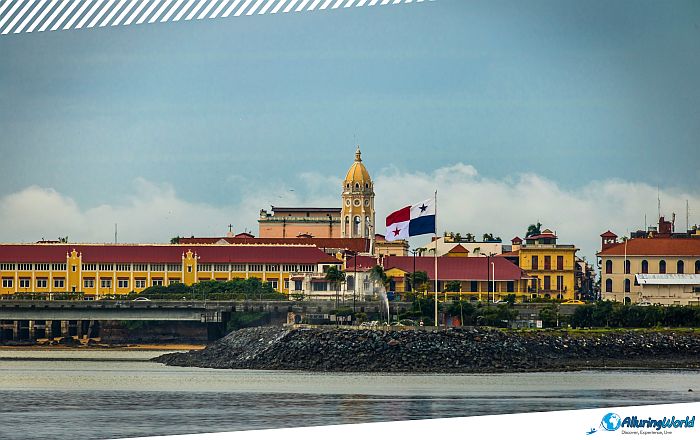
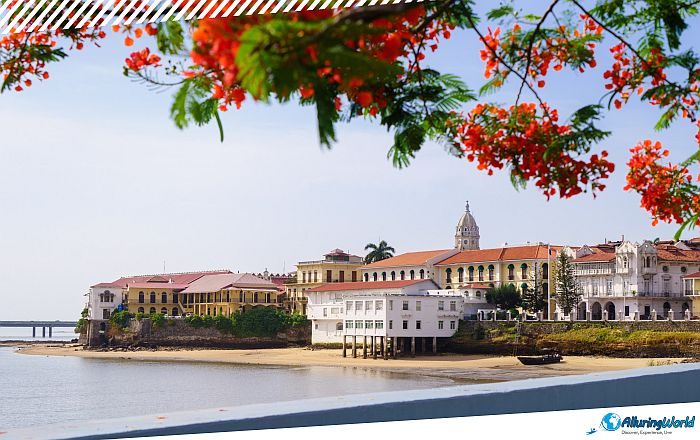
Casco Viejo, also known as San Felipe or Casco Antiguo, is a historic and very important district of Panama City, the capital and largest city of the Republic of Panama. As this historic district juts out into the Pacific Ocean on a rocky peninsula at the southwestern edge of the city, Casco Viejo is considered to be the living architectural heart of Panama. While the contemporary capital boasts towering glass buildings and the engineering feat of the Panama Canal, it is in this small area that the true history and resilience of the country, the colonial prosperity and cultural revival, are told. When you walk through the narrow, brick-paved alleys of the neighborhood, you will discover a rich mosaic of 17th-century Spanish stone architecture, 19th-century French wrought iron, and vibrant Caribbean hues.
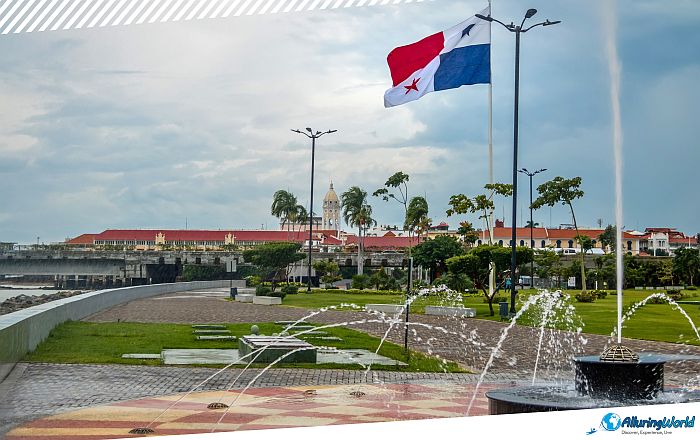
Casco Viejo was designated in 1997 as a UNESCO World Heritage Site, but that is only a part of what it truly is. It is not just an open-air museum; it is a living community, where locals, artisans, historians, and tourists share the same sunny plazas. Whether you want to take an architectural walk through the area or find the best spots for enjoying the view of the Bay of Panama, knowing its tumultuous history and layout will make your walk a historical adventure.
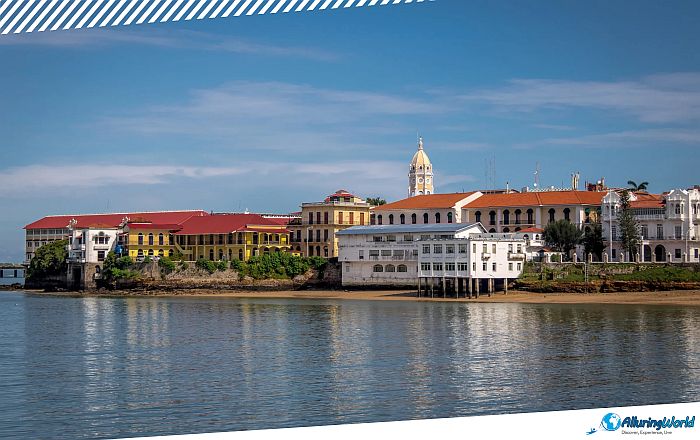
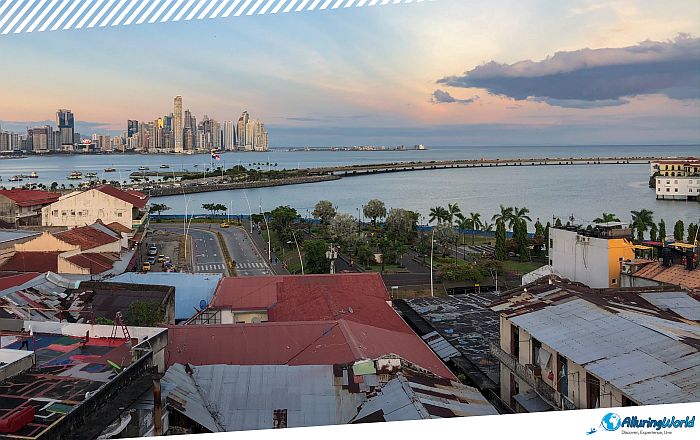
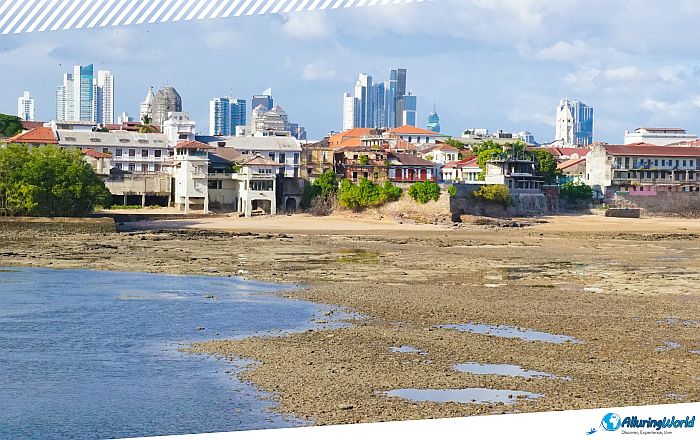
Since Casco Viejo occupies a small, fortified peninsula that is bordered on three sides by the waters of the Pacific Ocean, you will see the importance it has had throughout history. From its southern and eastern seawalls, the district commands sweeping panoramas across the Bay of Panama toward the gleaming towers of Punta Paitilla, and at the Pacific entrance to the Panama Canal, you will notice massive container ships that queue to cross the isthmus. Although it may seem as though it is far away from the financial district, the historical quarter is only 3 kilometers (1.9 miles) southwest of downtown Panama City, 8 kilometers (5 miles) west of the old ruins of Panamá Viejo, and about 25 kilometers (15.5 miles) away from the international airport of Tocumen. It was in the late 17th century that the Spanish military engineers picked this rocky peninsula on account of its defensive advantages to protect their interests in this part of the world. Thanks to the shallow reefs appearing during low tides, it has made it impossible for large enemy ships to anchor near the shore.
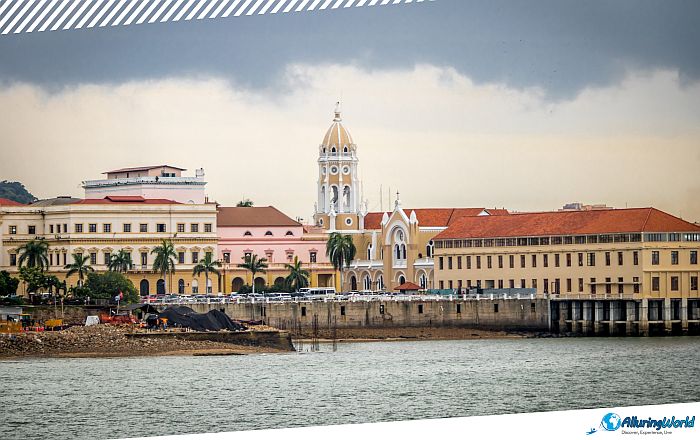
The history of Casco Viejo starts with a catastrophe. In January 1671, the Welsh privateer Henry Morgan, who has been erroneously labeled as a pirate but held a privateering commission from the Governor of Jamaica, attacked and burnt down the initial settlement of Panamá Viejo. Knowing that the old site could not be defended any more, it was the Spanish authorities who decided to relocate the capital to the nearby peninsula, thus founding the new walled city on 21 January 1673. Built under rigid Spanish urban codes, the community spread out from a central main plaza lined with religious and civic offices.
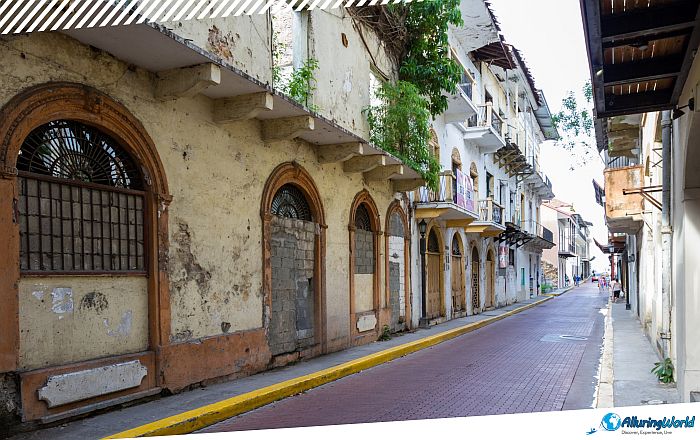
When the empire was at its zenith, Panama functioned as the crucial connection between the two oceans. Volumes of Peruvian silver and gold reached the Pacific harbor before being carried by mules to Portobelo through the isthmus. These great riches provided the means to build magnificent churches, convents, and stately townhouses, making Casco Viejo one of the most important outposts of commerce and warfare in the Americas.
ADVERTISEMENT
Unlike colonial cities that remain stuck in one particular era, the architecture of Casco Viejo displays a wonderful conversation through three different centuries. The fires of 1737 and 1756 burnt down most of the early wooden structures, and they created space for the stone structures that followed. In the mid-19th century, the California Gold Rush and the building of the Panama Railroad added North American and European influence, but it was eventually in the 1880s when the French attempted to build the Panama Canal and introduced neoclassical façades, mansards, and wrought iron balconies. Nowadays, Casco Viejo has been acknowledged and appreciated for its unique example of a colonial town tailored to the needs of the Caribbean-Pacific crossroads. Following decades of 20th-century neglect, strict preservation laws and targeted tax incentives sparked a complete rejuvenation at the dawn of the 21st century, as the city managed to carefully restore crumbling façades while retaining the district’s historic footprint.
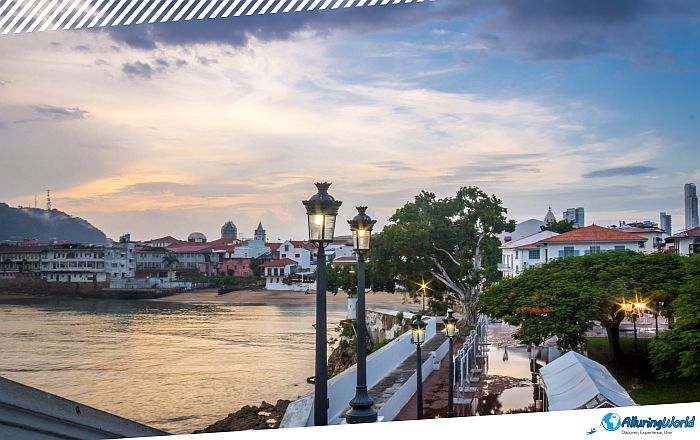
If you would like to explore Casco Viejo, it is best to do it slowly, as you move from one historic square to the next, and discover the different stories that are unfolded by the neighborhood’s political and spiritual history. Among the most important places to mention are:
- Plaza de la Independencia and the Metropolitan Cathedral: Popularly called the Plaza Mayor in the olden days, Plaza de la Independencia forms the heart and soul of the entire district. This is the place where Panama declared its freedom from Spain in 1821 and its independence from Colombia on 3 November 1903. To the west of the plaza stands the Metropolitan Cathedral Basilica of Santa María la Antigua, consecrated in 1796, which features an imposing double-towered stone façade inlaid with mother-of-pearl shells. Sourced from the nearby Pearl Islands, these iridescent shells shimmer on the towers under the tropical sunlight. Facing the cathedral are the Neoclassical Municipal Palace and the Panama Canal Museum located in the 19th-century Grand Hotel.
- Plaza de Francia and Las Bóvedas: Located at the southern tip of the peninsula, this square is dedicated to the memory of the roughly 22,000 workers and engineers who died, mostly from tropical diseases, during the ill-fated French attempt to build a canal under the direction of Ferdinand de Lesseps. In the middle of the square is an obelisk topped with a Gallic rooster, amidst limestone slabs recounting the history of the waterway. Alongside the plaza are Paseo Esteban Huertas, a bougainvillea-lined walk built on top of the old defense wall, and Las Bóvedas, vaults from the 18th century that used to be storage and prison areas for the military, and now are home to craft shops and dining establishments.
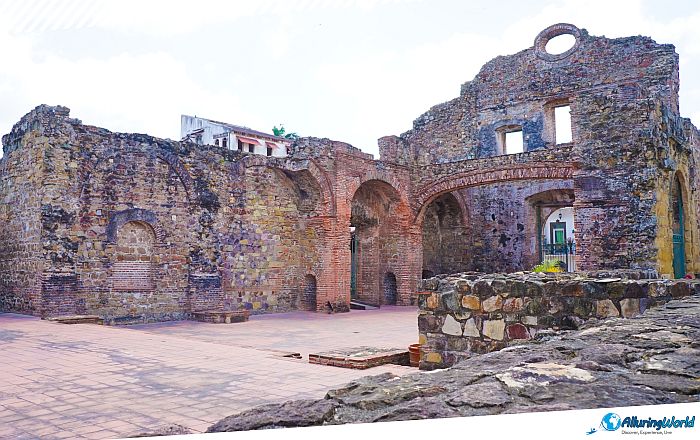
- Church and Convent of Santo Domingo: Just two blocks to the east of the plaza lies the impressive brick rubble of the Convent of Santo Domingo, built in 1678 and burnt down in 1756. The architectural wonder of this structure is Arco Chato (Flat Arch), a surprisingly low, wide brick arch, measuring about 15 meters (49 feet) in length, without any internal support. The fact that this highly delicate building survived for over two hundred years was tangible evidence of Panama’s seismological stability, which eventually led the U.S. Congress to choose Panama for the construction of the interoceanic canal.
- Church of San José and the Golden Altar: A brief walk to the west takes you to the plain whitewashed front of the Church of San José, which hides the most famous treasure in Casco Viejo: Altar de Oro (Golden Altar). Crafted from mahogany and decorated with gold leaf, this baroque piece of art survived the 1671 attack by Henry Morgan on Panamá Viejo. According to popular legend, the quick-thinking Augustinian friars guarding the church painted the altar black with tar or mud, convincing Morgan that the treasure had already been stolen.
Situated in Central America, Panama experiences a tropical climate with two distinct seasons, each offering unique advantages for travelers exploring the historic district. Depending on your preference, you should decide between the two seasons:
- Dry Season (Mid-December to April): Locally known as verano or summer, this is the best time if you love sun, dry air, and cool trade winds; thus, this is the perfect season for walkabouts and rooftop dining.
- Rainy Season (May to November): This period is also known as the green season because of its heavy rains, which are short and dramatic, typically occurring from 14:00 to 17:00, and then followed by clear evenings, lush tropical vegetation, and reduced crowds.
The average daytime temperature does not vary much from one season to another, although it varies between 24°C and 32°C (75°F and 90°F). In whatever month you are touring the city, you should schedule your walking tours either between 07:30 and 10:30 or after 16:00, when the sun is lower, the heat softens, and golden hour light illuminates the pastel façades.
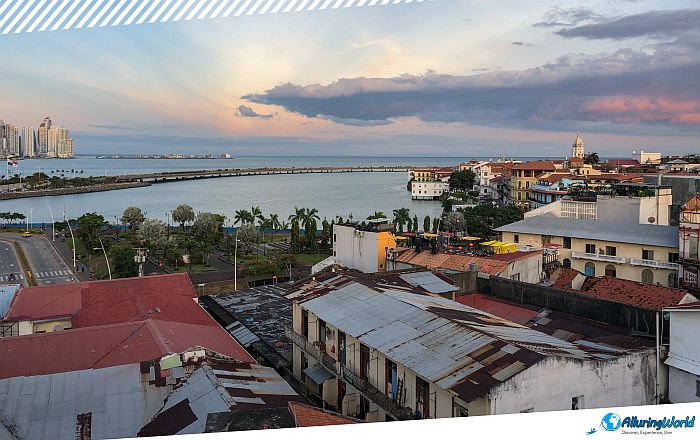
Casco Viejo is an area of about 50 hectares (124 acres), with a size that is really small compared to other areas; thus, it is one of the easiest Central American neighborhoods to navigate through. A self-guided tour will link together the most important plazas, churches, and the coastal seawall, which overall takes you through 3.5 kilometers (2.2 miles) of flat terrain. Considering these facts, you should be prepared with:
- Footwear and Hydration: Most of the streets have their own cobblestone surfaces and irregular brick walkways; wear durable, flat walking shoes and have at least 1 liter (34 ounces) of water on hand to contend with the tropical climate.
- Navigating the Perimeter: In the main tourist area, which includes Plaza Herrera to Plaza de Francia, and runs south from Avenida Central, the Tourism Police in Panama keep a very tight watch, and it is safe to go about at any time. It is best if you don’t walk west beyond Calle 12 or north into the neighboring areas of Santa Ana and El Chorrillo after 20:00, and instead consider using ride-hailing apps for seamless point-to-point transport.
- Living Heritage Etiquette: Keep in mind that Casco Viejo is a living community with functioning schools, government ministries, and churches. You should dress appropriately when entering active religious institutions, and ask for permission before taking pictures of people and children playing in the squares.
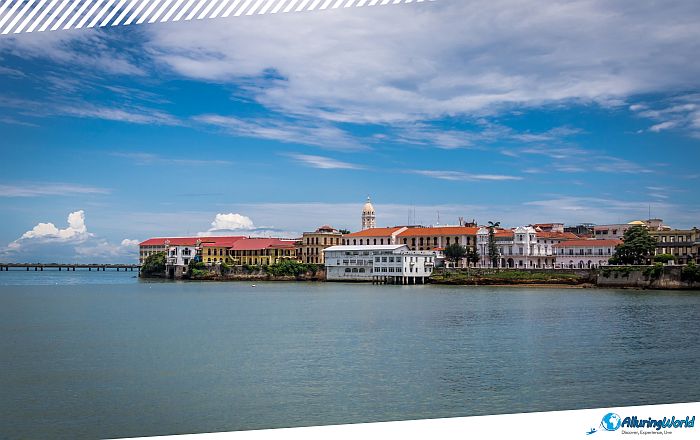
Today, Casco Viejo is at the heart of the rebirth of Panama’s cuisine and creativity. Inside the historic wooden doors lie some of the best restaurants that use a fusion of indigenous Panamanian cooking and Afro-Antillean and Spanish flavors, as well as exclusive coffee places serving Geisha beans grown in the highlands of Boquete. Nighttime brings the district alive as jazz comes alive from small courtyards and rooftops provide amazing views of the lighted skyline of Panama City. There are few places that can capture the soul of a nation as vividly as Casco Viejo. Born out of the fires of colonial battles, it has since developed into a bustling melting pot of global cultures and traditions, inviting visitors to pause and take note of the rich humanity behind Panama’s famous canal.