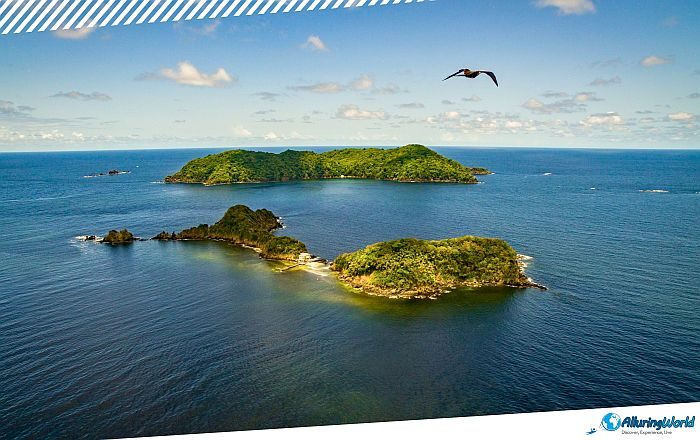
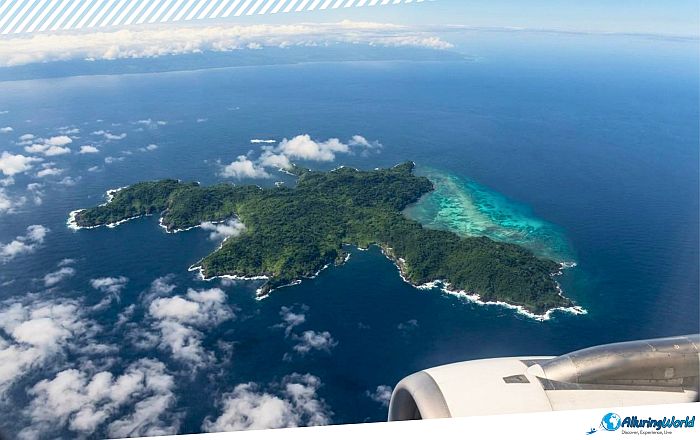
Little Tobago, locally known as Ingram Island, is a small and uninhabited island that is considered to be one of the Caribbean’s most vital wildlife sanctuaries, located off the rugged northeastern coast of the island of Tobago, within the northern part of the Republic of Trinidad and Tobago. Occupying an area of about 1 square kilometer (0.38 square miles) of untouched dry tropical forest, coastal cliffs, and uneven terrain, this uninhabited island provides tourists like you with an experience that is far removed from the norm when it comes to beach destinations that are dominated by resorts. Instead, tourists are able to immerse themselves in an untouched natural habitat that minimizes human intervention, abounds with marine life in the surrounding coral reefs, and is home to thousands of seabirds that soar through the trade winds.
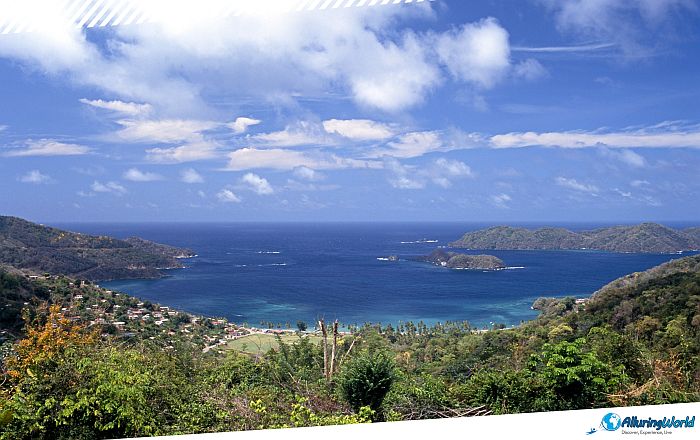
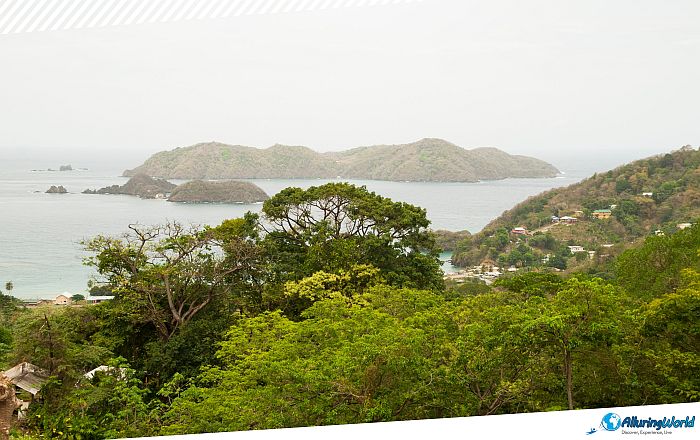
Little Tobago is located at a distance of about 1.5 kilometers (0.9 miles) off the coast of Tobago, and it is situated opposite the tranquil fishing community of Speyside through a narrow and swift channel. Overall, the island is located at a distance of 30 kilometers (19 miles) northeast of the capital city of Tobago, Scarborough, and 45 kilometers (28 miles) from Arthur Napoleon Raymond Robinson International Airport (TAB).
To get to Little Tobago, you can only do so via boats, starting mostly from the Speyside docks or other beach resort areas in the vicinity. The local glass-bottom boat companies usually conduct half-day tours that include the island hike and snorkeling at the Angel Reef, which contains giant brain corals and colorful marine species, among others. If you decide to go with the local boats, the trip should take about 15 to 20 minutes, and the departure point is usually from Speyside Village Jetty or some local dive resorts on Tobago Island that offer such activities.
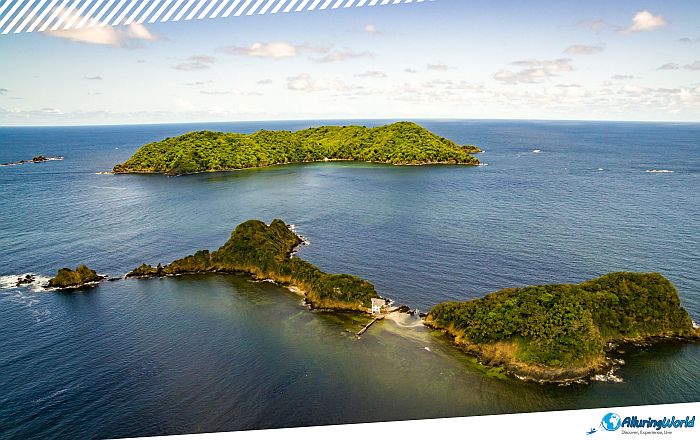
The typical excursion usually includes a guided hike and Angel Reef glass-bottom snorkeling, which create an immersive and great experience on this tiny Caribbean island. Keep in mind that stepping off the boat onto the island’s jetty can involve wet or uneven surfaces depending on the sea swell, so non-slip footwear is essential so that you will safely land on Little Tobago. Though small in size, Little Tobago is rich in habitat complexity because this is an island that emerges abruptly from the Atlantic Ocean and comprises ridge systems, steep ocean cliffs, and thick dry tropical evergreen forests.
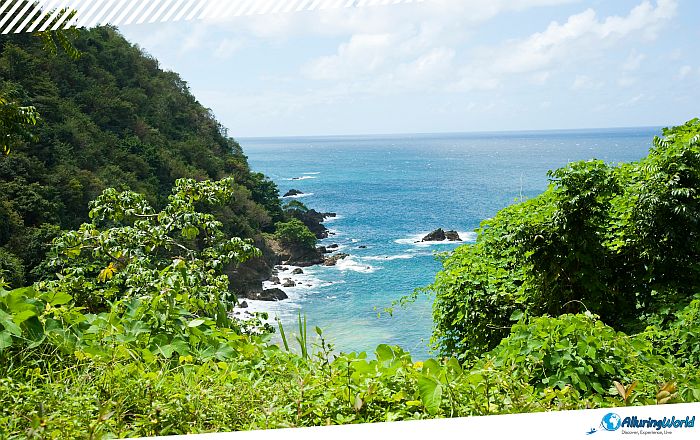
As there are no people living permanently on this island, there are no man-made disturbances in the form of roads or businesses. The surrounding waters are located at the meeting point between Atlantic currents and waters that carry nutrients from the Orinoco River of South America, thus making them attractive to marine life. Furthermore, the island and its surrounding coral reefs form a core component of the North-East Tobago UNESCO Biosphere Reserve, ensuring strict environmental protection. These conditions create a thriving marine life chain that creates a healthy habitat for coral reefs in the water and abundant feeding grounds for birds nesting on Little Tobago Island.
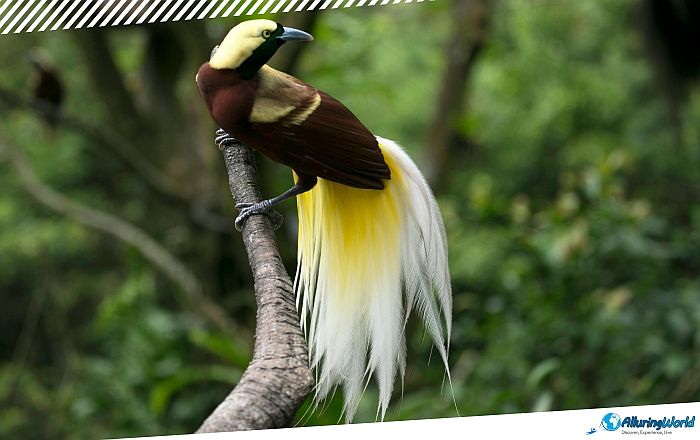
Beyond its ecological significance, Little Tobago holds a special place in world natural history. In the early part of the 20th century, the island became the venue for an unusual international experiment in conservation. Sir William Ingram, a British naturalist and politician, bought Little Tobago in 1903, and in 1909, he had the ambitious goal of saving the Greater Bird-of-Paradise (Paradisaea apoda) from extinction. This was because the local population of these beautiful birds in the Aru Islands of Indonesia was facing extermination due to the international plume trade.
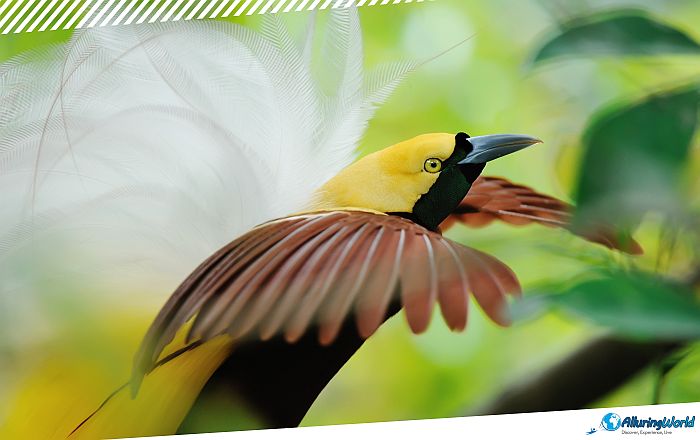
Ingram arranged for around 45 individual birds to be transported across the globe and released onto Little Tobago. The birds adapted surprisingly well to the dry tropical forest, feeding on local fruits, seeds, and insects. For several decades, the island was famous worldwide as the only place outside of Australasia where wild birds-of-paradise could be seen, earning the islet its long-standing moniker, Bird of Paradise Island. After Ingram died in 1924, his heirs donated the island to the Government of Trinidad and Tobago in 1928, provided that the island would always be maintained as a wildlife sanctuary.
ADVERTISEMENT
Even though the harsh weather conditions and Hurricane Flora in 1963, among other factors, have resulted in the extinction of the introduced birds on the island, the contribution of Ingram’s project has made Little Tobago an island sanctuary. Today, Little Tobago is considered to be a key Important Bird Area (IBA) and is home to some of the best seabird colonies in the South Caribbean. The isolation of its cliffs and high canopy makes it secure from predatory mammals, which allows some pelagic birds to nest there in large numbers.
The undisputed leader of Little Tobago’s bird community is the red-billed tropicbird (Phaethon aethereus). Characterized by their pure white feathers, black facial masks, bright red bills, and long tail plumes, these oceanic birds put up spectacular air shows during their courtship rituals above the coastal cliffs of the island. Little Tobago is home to one of the biggest colonies of these birds in the southern West Indies. Beyond the tropicbirds, a variety of pelagic and forest species inhabit or visit the sanctuary throughout the year, and these are:
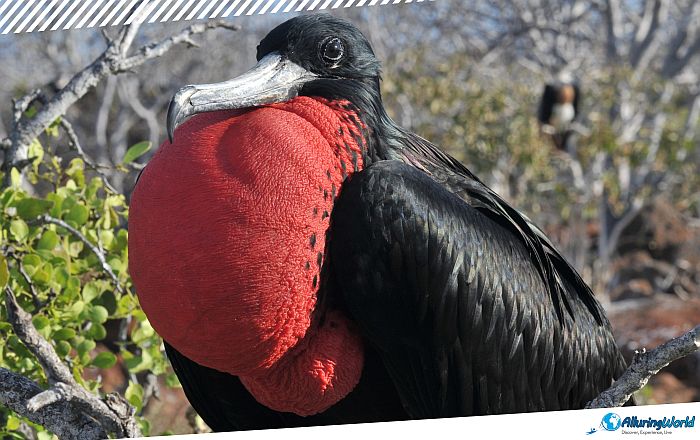
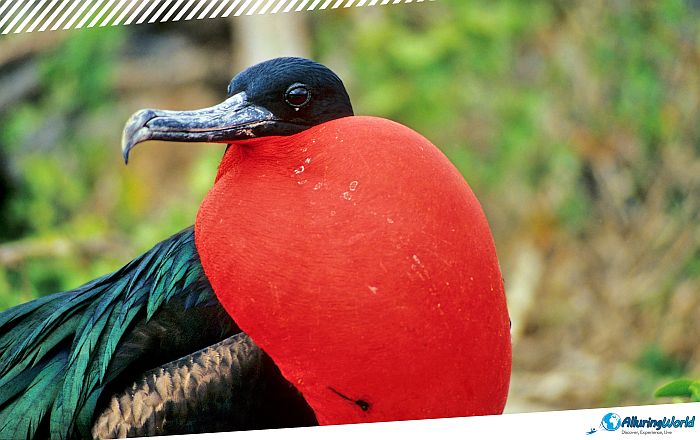
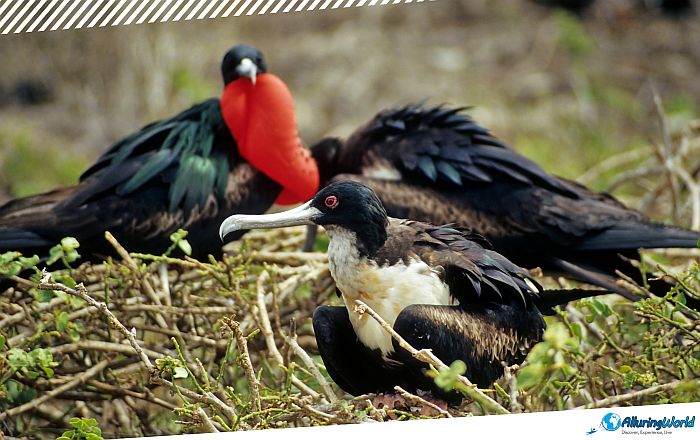
- Magnificent Frigatebirds (Fregata magnificens): Often seen soaring on thermal currents above the high ridges, effortlessly maneuvering with their distinct fork-tailed silhouettes.
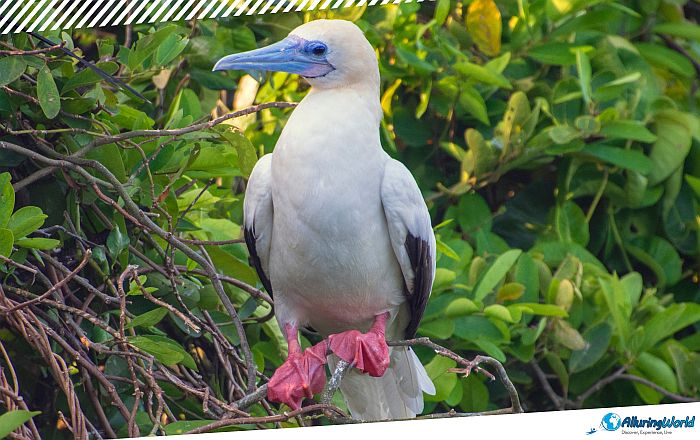
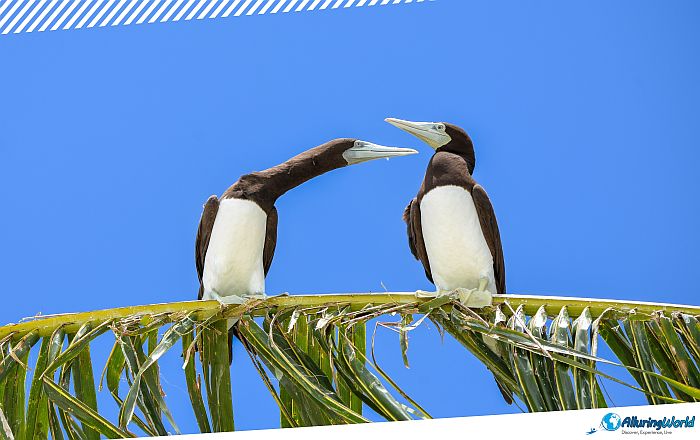
- Red-footed and Brown Boobies (Sula sula and Sula leucogaster): These agile plunge-divers build nests along the wooded slopes and low rocky outcrops.
- Audubon’s Shearwaters & Terns: Nesting in rock crevices and dense foliage along the coastal periphery.
Exploring Little Tobago involves a lot of movement on foot through various paths that have been created by the forestry departments and naturalists. The main path leads from the boat dock on the west side of the island, up the ridge line in the center of the island, and it passes through the xerophytic forest, which is full of cacti, bromeliads, and tropical hardwoods. The most important hiking trails for you to consider are:
- The Seabird Overlook: Located on the windward eastern cliffs, this covered wooden shelter offers sweeping views of the Atlantic Ocean and sheer rock faces below. From here, visitors can observe red-billed tropicbirds and boobies riding the ocean breezes at eye level as they return to their nest sites.
- Ingram’s Crest Trail: The route leading higher up the ridge features the remains of the old homestead and former caretaker buildings of Sir William Ingram, offering magnificent views of Goat Island and Speyside from across the water.
While the trails are short, they are generally 1.5 to 2 kilometers (0.9 to 1.2 miles) round trip, but they are quite memorable since they offer a great perspective of the untouched nature of the island. The trails are not for everyone because of the combination of tropical heat, humidity, and steep steps that require a moderate level of physical mobility. Nevertheless, when you visit a protected island sanctuary, you are required to do a thoughtful preparation to ensure both personal safety and environmental preservation.
- Footwear & Sun Protection: Wear sturdy hiking shoes or trail runners with good traction, as dirt steps can become slippery after rain. Bring reef-safe sunscreen, a wide-brimmed hat, and adequate drinking water, as there are no potable water sources on the island.
- Facilities & Self-Sufficiency: There are no restrooms, food vendors, or trash bins on the island, so use facilities in Speyside before departing, pack out all waste, and practice Leave No Trace on the island.
- Guided Excursions: Always hire a certified local guide in Speyside. Certified guides are not only good at navigating and transferring boats, but they also have the required knowledge about bird calls and trail ecology.
In general, you need to take into account the rules of the sanctuary and always ensure that there is adequate respect for the active nests on the fringes of the trail, reduce noise levels to avoid scaring nesting birds, and pack out all litter. Because Tobago has a tropical climate that consists of two major seasons, which include a dry season from January to May and a wet season from June to December, you need to schedule your trip according to the activity you wish to pursue. The dry season provides ideal conditions for traveling to Little Tobago as it is when sea conditions in the Speyside channel are calm, thus allowing easier boat landings as well as providing dry trails for easy walking. In addition, this is the time when red-billed tropicbirds nest in abundance. Tours that start in the morning between 8:00 and 10:00 offer cooler conditions, softer lighting, and abundant bird life before the midday sun takes its toll.
To conclude, Little Tobago is a perfect example of a successful conservation effort in the Caribbean, where conservation and biodiversity are intertwined perfectly. By preserving its unique dry forests, impressive coastal cliffs, and clear marine borders, Trinidad and Tobago provides Little Tobago with a chance to become an important seabird habitat and a great destination for nature lovers around the world.