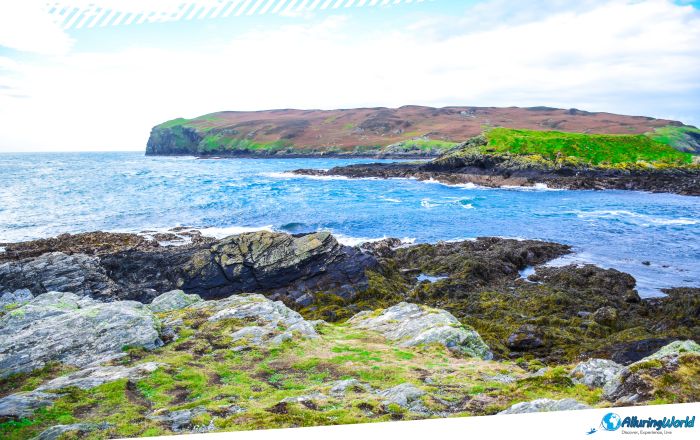
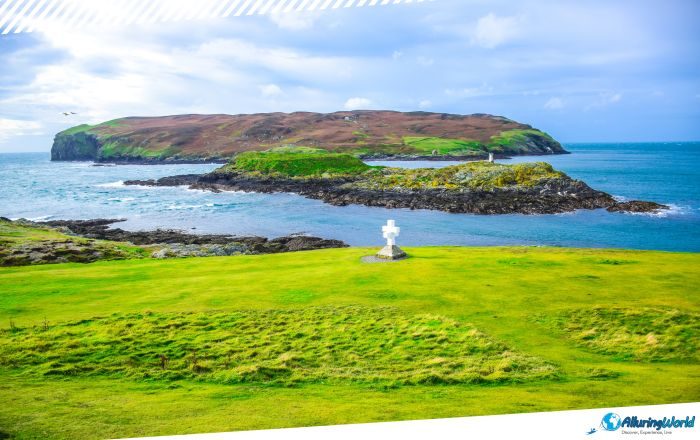
Calf of Man is a small island which is separated by a narrow stretch of water from the island nation of the Isle of Man in the Irish Sea, as part of the British Isles. As it is southwest of the main island, it belongs to the parish of Rushen and has only two seasonal inhabitants.
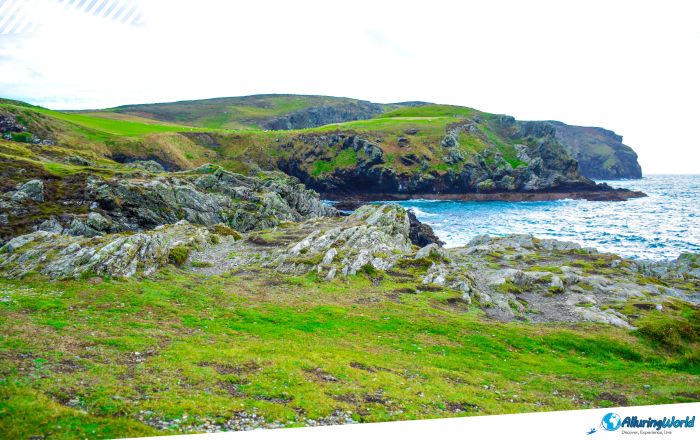
The name of the island comes from the Old Norse language, the word kalfr, which means a small island that lies near a larger one. It is definitely one of the really beautiful islands of the Crown Dependency, which serves as a Nature Reserve and Bird Observatory, and represents a great opportunity to study bird life, flora, and fauna.
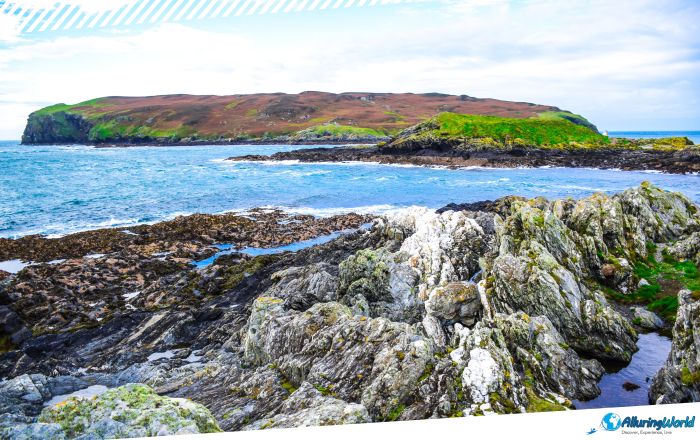
There are around 33 species of birds that breed on the Island annually, around 10 of which are seabirds. Over hundreds of years of its habitation, the Calf of Man island has enjoyed a variety of owners and tenants dating back centuries. There have been discoveries of people inhabiting this small gem for some time.
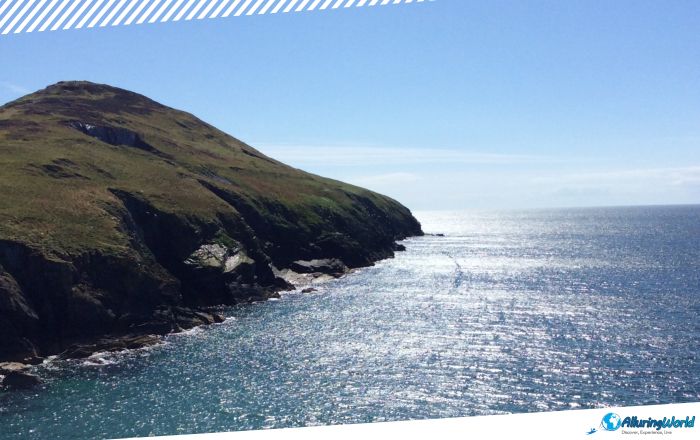
Records of it appear during Elizabethan times, and there’s evidence that in the 17th Century an associate of Lord Chancellor Francis Bacon hid on the Calf for three years in order to avoid being sent to the Tower of London for allegedly taking bribes. There are other records of different events, but these have been the most important ones on the Calf of Man.
ADVERTISEMENT
There are four lighthouses, two built in 1818 by Robert Stevenson to warn mariners of the hazards of the Chicken Rocks off the south end of the Calf. Later, in 1875, these were replaced by a lighthouse which was built exactly on the Chicken Rocks.
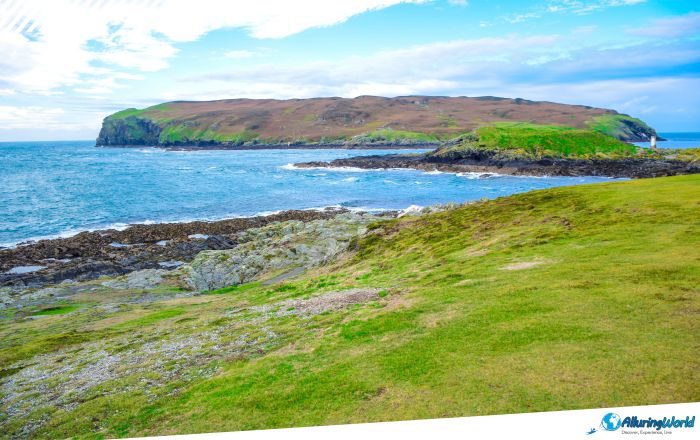
Nonetheless, the last lighthouse was built in 1968, which was supposed to replace the Chicken Rocks Lighthouse, since this one was destroyed by fire, but was later rebuilt.
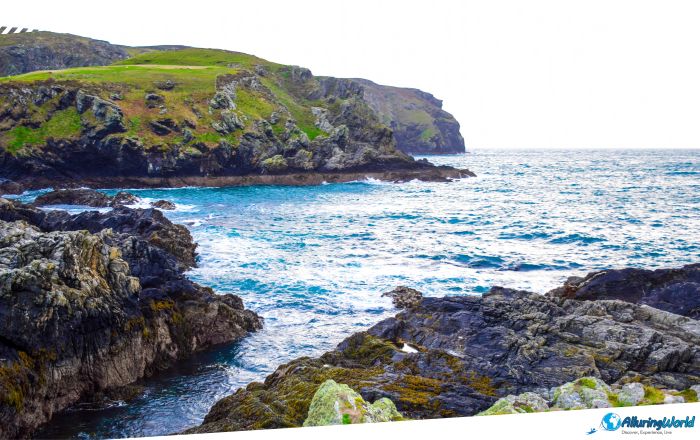
Since 1959, organized ornithological work has been carried out on the Calf of Man under the supervision of appointed wardens, and in 1962, it became an officially recognized Observatory. The Observatory is located in the former farmhouse in the center of the Island and is open from spring to autumn each year.
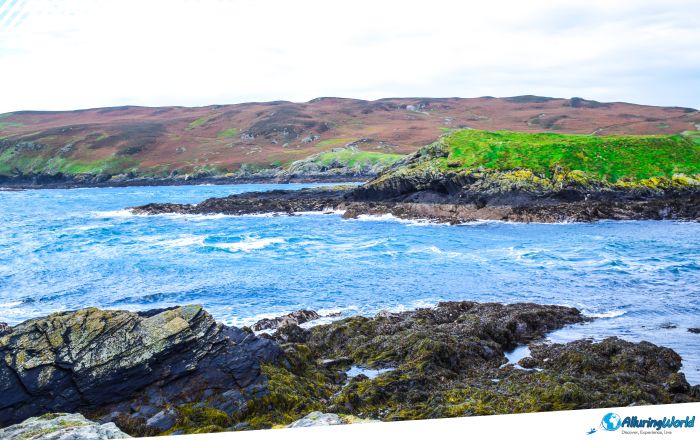
Even though it is only 250 hectares (620 acres) in size with the highest elevation of 127 meters (415 feet), the Calf of Man in the Isle of Man is an important island for wildlife and also for researchers, and it is enjoyed by visitors mostly during the warmer and summer months, a period that runs from May through September.