
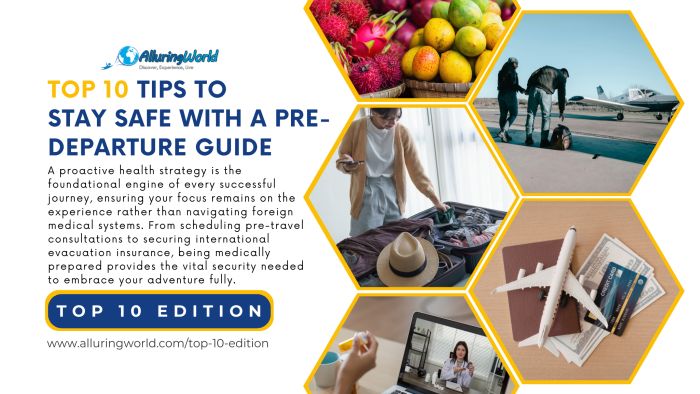
It is pretty easy to travel today from the vibrant markets of Macedonia, the serene landscapes of the Alps, or the bustling streets of Tokyo, but our travels sometimes require being well-prepared in case a medical assistance is needed, hence medical preparation would be mandatory. If you want to have your dream vacation be as smooth as possible, this preparedness is of utmost importance because sometimes good travel plans can quickly transition into a stressful ordeal. While traveling, you can encounter unfamiliar pathogens, varying altitudes, and even different sanitation standards in various countries.
Consequently, a proactive pre-departure health strategy is not merely a recommendation for you, but it is a foundational component of responsible globetrotting. When you address the physical readiness, administrative requirements, and emergency contingencies well before your flight, you are making sure that your focus remains on the experience rather than on navigating a foreign healthcare system. Here are some tips for you to get well ahead of this and be prepared for different situations.
1. Schedule a Pre-Travel Consultation
In case you require a visit to a specialized clinic, you must do this at least six to eight weeks before your departure date. Even if you’re traveling to Western Europe, it is recommended to visit a specialized travel clinic or your primary care physician to consult them regarding your health. This timeline is very critical because many vaccinations, such as those for Hepatitis A or Japanese Encephalitis, require multiple doses or a specific incubation period to reach full efficacy. If you are traveling in an exotic country, then this is something significant; you will not be allowed to enter the country, depending on the laws and regulations. Your doctor will assess your destination’s risk profile, and they will provide you with a personalized advice based on your medical history.
2. Verify Routine and Required Immunizations
Beyond specialized shots like Yellow Fever, as this is mandatory for entry in some regions of the world, please ensure your routine immunizations are up to date. These immunizations can include Tetanus, Diphtheria, Pertussis (Tdap), and Measles-Mumps-Rubella (MMR). Even though the medicine has advanced in modern times, outbreaks of preventable diseases can still occur anywhere, but if you are being current on these basic shots, then your first line of defense against global health threats is secured.
3. Manage Your Vision and Dental Health
Few things disrupt a journey like a broken pair of glasses or a sudden toothache. Before you leave, check with your dentist in case a cleaning is required, and at the same time, a check-up can be done to identify potential issues like hidden cavities or loose fillings. Similarly, ensuring your prescription is current is vital. If you find your vision has been blurry or you need a backup pair of contact lenses, then simply searching for an eye exam near me before you head to the airport can prevent significant discomfort and navigation difficulties. It may not be easy in some foreign countries to find what you need, and specialized optical services might be scarce.
4. Assemble a Comprehensive First-Aid Kit
You definitely should not rely on finding a pharmacy open at 3:00 in the morning in a remote village. Your kit should include more than just bandages, so it is recommended that you pack antiseptic wipes, antibiotic ointment, electrolyte replacement powders for dehydration, and motion sickness medication. You can also include a small supply of common over-the-counter medications for pain, fever, and digestive upsets, which can relieve you of any pain immediately. Another thing to consider is a digital thermometer, which can be very helpful when you start feeling doozy.
5. Secure International Health Insurance
Sometimes the standard domestic health insurance that you have rarely provides comprehensive coverage abroad, and there are some that provide none at all. Consider investing in a travel-specific health policy that includes “medical evacuation” coverage, because you never know when and if you need it. With this option, in case you suffer a serious injury in a remote area, the enormous costs of a private medical flight back home or to a high-quality facility are covered.
ADVERTISEMENT
6. Pack an Ample Supply of Prescription Medications
To avoid being flagged at the airport for having too many pills, always carry your prescriptions in their original, labeled containers, as this would help you avoid scrutiny at customs. You can request a “vacation override” from your insurance provider, as this will secure enough medication for the entire trip, plus an extra week’s buffer in case of travel delays. Even though we live in a highly digital era, it can be recommended to additionally carry a signed letter from your doctor, who will be listing your medications and their generic names, as brand names vary globally.
7. Research Local Water and Food Safety
Gastrointestinal distress is the most common travel ailment, but when you research whether the tap water at your destination is drinkable, you can plan your budget and/or packing options. Have in mind that many regions in the world do not have drinkable tap water, and this requires you to avoid ice, raw vegetables washed in local water, and even unpeeled fruits. If you know the “boil it, cook it, peel it, or forget it” rule, then this can save you from days of illness and potential hospitalization.
8. Understand Environmental and Climate Risks
You should prepare for the physical demands of your specific environment, whether that be high altitude, tropical rainforest, or a simple city walk. If you are traveling to high-altitude regions, such as the Andes in South America or the Alps in Europe, discuss altitude sickness medication with your doctor. If you are traveling to tropical climates, then consider packing high-quality insect repellent, which would contain DEET or Picaridin. These can help you protect against vector-borne diseases like Malaria, Zika, or Dengue fever, for which vaccines may not be available.
9. Identify Local Medical Facilities in Advance
When there is an emergency, knowledge of where medical facilities are located is a strong power. Before leaving, find the nearest reputable hospital or English-speaking clinic near your accommodation. There are specific organizations, like the International Association for Medical Assistance to Travellers (IAMAT), that provide directories of vetted, English-speaking physicians worldwide. Having this information saved offline on your phone can save precious minutes during a crisis.
10. Practice Mental Health Maintenance
Travel can be cognitively exhausting and emotionally taxing for everyone. The disruption of routines, sleep deprivation, and culture shock can exacerbate existing mental health conditions. This is why you must ensure that you have strategies for stress management, will be able to maintain a consistent sleep schedule where possible, and if you see a therapist, check about the tele-health session possibilities that you can access while abroad.
In conclusion, staying safe while traveling is a multifaceted endeavor that begins long before you reach the boarding gate. When you have the synergy of medical foresight, administrative organization, and an awareness of one’s own physical limitations, you can achieve your goals once you return from your travels, meaning you will be able to say that you were well prepared and successful in your planning. By prioritizing check-ups, securing the right insurance, and respecting the environmental realities of your destination, you transform yourself from a vulnerable visitor into a resilient traveler who can share the experience with others and possibly help them, too. Your health is the silent engine of every successful trip; so when it runs smoothly, the world opens up to you in ways that are both profound and transformative. When you are adequately prepared, it does not hinder the spontaneity of your adventure, but it actually provides the security necessary to embrace it fully.