
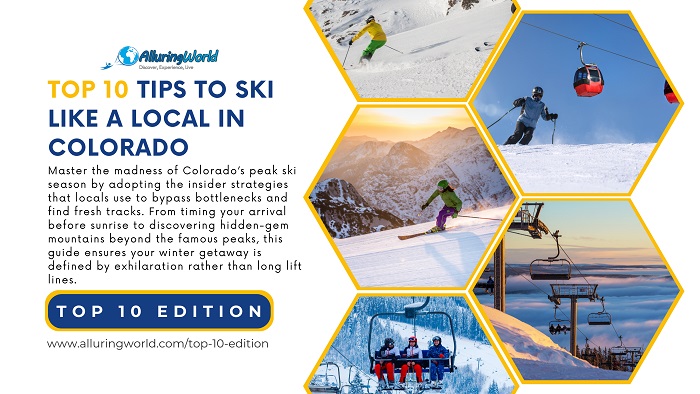
If you’ve ever visited Colorado during peak ski season, you already know the scene and how there is fresh snow in the forecast. You are expecting lift lines to be forming even before sunrise, while parking lots are filling faster than on a concert on sale day. It is a real powder fever everywhere, but it is exciting, chaotic, and unforgettable. Nonetheless, it can also be overwhelming if you don’t know how to navigate it.
Coloradians have learned how to move through the madness without letting the crowds ruin the experience. Locals know the shortcuts, the timing, the unspoken rules, and the more innovative ways to ski on some of the most popular mountains in the country. You don’t need to be a Colorado resident to enjoy those perks, and all you need is a simple plan.
This article will break down into ten points for you what locals do differently so you can enjoy that perfect ski week instead of spending half of it waiting in traffic or standing in lines.
1. Timing Is Everything
Most first-time visitors wake up too late. They roll into the parking lots at 9:30 or 10 and then spend an hour trying to park, grab rentals, and get to the lift. Meanwhile, locals have already been skiing for an hour.
If you’re serious about powder days or beating lines, get to the mountain early. And by early, that means in the parking lot before 8 in the morning. On high-snow weekends or holidays, some people arrive even earlier. If you want to try to beat the lines, try skiing in the shoulder seasons to avoid the busiest parts of the season.
If early mornings aren’t your style, another strategy works surprisingly well: ski late. Crowds start fading around 13:30 or 14:00. When everyone else is tired, cold, or ready to hit apres, you get the slopes with breathing room.
2. Avoid the Main Entrances
It is usual for every mountain to have a “default” base area where rentals, lessons, and beginner terrain cluster. Naturally, this is also where the longest lines form. Locals avoid those first-stop lifts unless they’re teaching someone who’s learning.
Before your trip, look at the mountain map and find alternate access points. Some resorts have multiple base areas, while others have parking lots with quieter lifts that drop you onto the same terrain without the bottleneck. If you consider and do this one trick, then you can shave 30 to 60 minutes off your morning.
3. Know the Flow of the Mountain
When you are at peak season, have in mind that this isn’t just crowded at random, but there is a rhythm to it. As usual, beginners stick to green zones, the families cluster near easy access terrain, while the locals move toward bowls and higher elevation as soon as they open. By late morning, advanced runs get busy, but by mid-afternoon, most people retreat to groomers or call it a day, as the snow could no longer be nice to ski on.
You don’t have to be an expert to use this strategy, but you need to pay attention to where the crowd is moving and go somewhere else.
4. Rent Gear in Town, Not at the Resort
While the rental shops at the base area are very convenient, keep in mind that this convenience isn’t usually worth the price or the wait. There can be lines that can stretch, staff get overwhelmed with too many requests, and gear selection can sell out during high-demand weekends.
If you rent your gear in town the night before at a ski shop in Breckenridge CO, an outdoor gear retailer in the city of Denver, or a winter sports shop in the fabulous Winter Park, then this is one of the biggest time-savers you can make. When you opt for this option, then you will get more selection, better fittings, lower rates, and zero morning bottleneck, but the bonus of all; you’re not rushing into your boots half awake while a line grows behind you.
5. Make Reservations Early for Everything
Sometimes it can feel like you’re planning a wedding during peak season; the earlier you lock things in, the easier the entire experience will become for you. You’ll definitely be saving money while avoiding, at the same time, the dreaded “sold out” signs that start appearing around holidays and powder weeks.
6. Eat “Off-Schedule”
Lunchtime on a Colorado mountain is almost a sport of its own since what you will picture is trays of steaming chili, crowded cafeterias, and long lines that look like airport security. This is not something that looks relaxing for you, so what locals are doing to avoid it is by eating early or late. If you have your lunch at 10:45 or 14:00, then you will have the option to ski during the busy dining window when the pistes are more relaxed. You’ll trade chaos for quiet runs and open tables.
If possible, pack snacks or a sandwich in your jacket. Nothing beats sitting somewhere scenic with a view instead of waiting in line for a $20 burger.
7. Know That Patience Pays Off
There is always high energy present during peak ski season. Kids learning how to stop, snowboarders sitting in the middle of runs, fast skiers buzzing past slow ones, people falling off lifts, and endless variations of “sorry” and “whoops.”
Locals always tend to stay patient because they know one thing: skiing in Colorado during peak season is well worth it. The snow quality, terrain variety, and mountain atmosphere make the effort worth the patience, so if you go in expecting crowds, pace changes, and tiny moments of chaos, you’ll roll with the experience rather than fight it, thus getting the best experience you will have.
8. Use Public Transportation and Shuttles
Traffic on I-70 or the main access roads to resorts can be a standstill, especially during peak weekends when everyone is trying to get to the ski pistes. Locals often avoid the stress of driving and the high cost of premium parking by using mountain shuttles or regional transit like the Snowstang. Be aware that there are many towns that offer free bus systems that drop you right at the lift, further allowing you to stay warm and relax while everyone else is hunting for a parking spot.
9. Pack Your Own Essentials
If you forget something like a tube of lip balm or a bottle of water, and you suddenly stop at the lodge, it can cost you thirty minutes and three times the price. You should learn from the locals who keep their jackets or packs stocked with high-altitude essentials, and these will include: sunscreen, hydration, and extra layers. When you are being self-sufficient, it means that you stay on the mountain longer and avoid the crowded, expensive retail shops at the base area.
10. Explore Beyond the “Big Name” Resorts
While everyone flocks to the most famous peaks that can usually be found on social media, Colorado is, in fact, home to incredible “hidden gem” mountains that offer massive terrain with half the crowd. If the main resorts are showing enormous wait times, locals will head to smaller or more independent mountains, which can offer a similar, if not better, experience. These spots often provide a more authentic, laid-back atmosphere where the focus is entirely on the skiing rather than the resort glitz with big crowds.
In conclusion, a ski trip in Colorado during peak season doesn’t need to feel stressful for you. Just by doing a little preparation and bringing a mindset shift, you can ski more, wait less, and enjoy the mountains like someone who lives there. By waking up early and staying flexible, you will move differently from the big crowds. You should definitely use smart planning and a few insider habits when suddenly the mountains feel wide open, even when the season is at its busiest. The snow, the views, and the feeling of carving down those runs under the big Colorado sky make the whole trip worth it.