
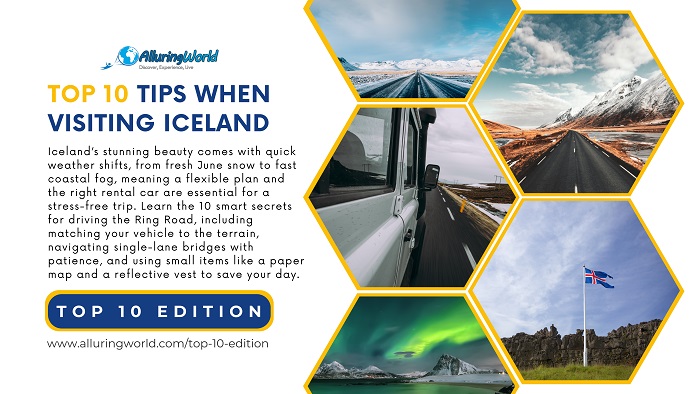
Fresh snow can fall even on a bright June morning in North Iceland. A clear evening can bring fast fog near the coast. These quick shifts will not necessarily ruin your trip if you prepare well.
Most travelers want one plan that fits busy days and short daylight seasons. When you have a flexible plan that works best when you can move at your own pace, it will be a guarantee for you to see the majority of the sights you have planned to visit. That is why many visitors choose Iceland car rentals to link sights that are spread across the island, so here are some smart choices for you to think of before you pick up the keys, so that you will save time and reduce stress.
1. Plan Your Route Around Light And Distance
Driving times on a map can look short across the peninsula or inland. In practice, you will stop more than you expect for photos, snacks, and viewpoints. Plan for fewer sites and add optional stops if the weather is kind. Check sunrise and sunset for your travel week and pick a focus area. Early light helps on the South Coast, and late light helps near Reykjavik. A simple loop with one region per day keeps the trip smooth and calm. Consider road surfaces when you build your route for the day. The Ring Road is paved, wide, and well signed. Some inland roads are gravel and require slow progress with longer spacing between fuel stops.
2. Choose The Right Vehicle For Icelandic Roads
Match the car to the route rather than hope the road fits the car. A compact works for the Ring Road in mild weather and town errands. A larger SUV helps on gravel stretches and in the wind near mountain passes. Ask about tires, ground clearance, and seasonal gear when you book. Winter months call for studded tires and a scraper in the trunk. Summer months still benefit from a spare headlamp bulb and a reflective vest. Consider how many bags you bring and the number of people in the cabin. Tall travelers appreciate more leg room on long days between towns. Families gain value from an SUV with a safe child seat and easy doors.
Insurance and extras worth a look:
- Gravel protection if your plan includes some inland routes.
- Sand and ash protection for South Coast days with forecast wind.
- Extra driver option for shared days across longer distances.
3. Pick Up And Return With Less Friction
Time at the counter is time away from waterfalls and hot pools. Finish driver details and upload documents with online check-in when offered. Many providers allow a key box pick-up and return, which helps on late flights. At pick up, walk once around the car and note any marks with the staff. Photograph odometer, fuel level, trunk tools, and tire tread. Confirm how to reach roadside help if your phone has no signal near passes. Fuel up near the airport or at a station close to your hotel. Keep local open hours in mind, since many rural pumps close early. Save your receipt in the glove box to speed up any return questions later.
4. Drive Smarter With Local Rules And Habits
Single-lane bridges are common and require patience from both directions. Slow down early and take turns with a friendly wave after you pass. Many rural roads have blind rises, so reduce speed and stay right. Headlights must stay on day and night, which helps in sudden fog. Seat belts are required for all seats, and phones belong in a bag. Pull into a layby for photos and never stop on the shoulder near curves. Check a reliable road condition source before each drive. Major routes can close for a few hours due to wind or ice. The official road administration updates conditions by region and road number, which helps you plan detours with confidence.
5. Pack Small Items That Save A Day
Simple items remove stress and help you stay flexible in any season. Refill a large water bottle at guesthouses for fewer stops during long drives. Keep a small towel for mist at Seljalandsfoss or a windy viewpoint. A paper map helps when a phone loses signal beyond small towns. Many visitors also pack a power bank and a cable for the cabin. Store snacks with protein to avoid rushing meals between far-apart villages.
Useful glove box checklist:
- Reflective vest and compact flashlight for tunnels or night stops.
- Ice scraper, simple first aid kit, and spare phone charger.
- Spare coins for rural restrooms and an emergency snack pack.
ADVERTISEMENT
6. Respect Weather Windows And Use Them Well
Iceland offers clear weather in short windows that move fast across regions. A waterfall can shine during a two-hour break before showers return. Use those breaks to reach outdoor sites and save museums for the rain. Wind can close a part of a route, yet nearby areas stay open. Adjust the order of stops rather than push through a risky pass. The national weather service publishes updates and alerts that help you reset plans without guesswork. If fog moves in, slow down and use steady low beams to stay visible. If black ice appears, ease off the throttle and avoid sudden steering. Park safely and wait if a squall reduces visibility below a safe level.
7. Make City Days Work Hard For You
Reykjavik city center has parking zones with time limits during weekdays. Use a garage for a mid-day museum visit or a longer café stop. Arrange pick-up points that avoid the tightest lanes and one-way streets. Airport returns move faster if you top up fuel near the terminal. Check which lane to use for your provider to avoid extra loops. Keep your printed contract handy, since security gates may ask for a code. If you add a Blue Lagoon stop near flight time, pad your schedule. The soak adds comfort before a long-haul flight across time zones. Build at least three hours between the soak and return, including snack time.
8. Keep Costs Predictable Without Cutting Safety
Fuel costs add up over long distances and windy mountain segments. Maintain steady speeds and avoid hard starts on gravel sections. Choose self-catering cabins outside towns for some nights to reduce meal costs. Prepaid tolls or passes can save time and avoid late fees after a trip. Ask the rental team which tunnels or bridges use automatic billing. Keep a small envelope for receipts and charging tickets in the glove box. Do not skip coverage that protects you in stormy coastal stretches. Ash and sand events are rare yet costly for unprotected paint and glass. Spend a little more on the front end and protect your time on the road.
9. Build A Simple Seven-Day Template
A one-week plan fits many first visits and leaves room for serendipity. Start with a Reykjavik day to rest, then head for the South Coast. Add a Golden Circle day and leave space for a weather shift. Drive a short stretch on day four with a late morning start. Use the fifth day for a glacier walk if conditions and budget allow. Return toward the capital on day six and keep the seventh day loose for overflow. Add an extra night in one region if a forecast looks like storm risk. Shorter hops ease the pace and let you use clear weather windows. This flexible layout works well with airport pick-up and return options.
10. Embrace the Local Pace and Connection
Iceland operates on a calm, practical pace, especially outside the capital. Allow extra time for check-in at remote guesthouses, which often have one person managing the property. Be patient with staff, use simple directions, and confirm payment methods before you dine. Connect with the landscape and the people by learning a few terms. Takk (thank you) and Halló (hello) go a long way. Ask a local shop owner for a quiet viewpoint, or a ranger for the trail conditions. These small interactions often lead to the best local secrets and make your experience personal. Buy local wool and art as a memory that helps the small villages thrive. Use the cashless system for fast payments, but keep the rural pace in mind. A slow, kind approach is part of the local driving habit and the best way to enjoy a day on the road.
In conclusion, a smooth Iceland trip grows from local rhythm and small, smart choices. Overall, Iceland is a destination that you can certainly enjoy to the fullest. To put it simply, a smooth Iceland trip grows from local rhythm and small, smart choices. Plan fewer stops, pick the right vehicle, and respect fast weather shifts. Use official sources and keep a calm route that fits the light. A rented car gives you freedom to pause, then move when the sky opens. The vast silence and raw nature are the reward for travelers who prepare well and drive with respect for the land.